Ashwagandha for women’s sexual health: two small trials, one important dose gap
Two short ashwagandha trials reported better sexual-function scores in selected women, but products, doses, and safety details limit broad claims.
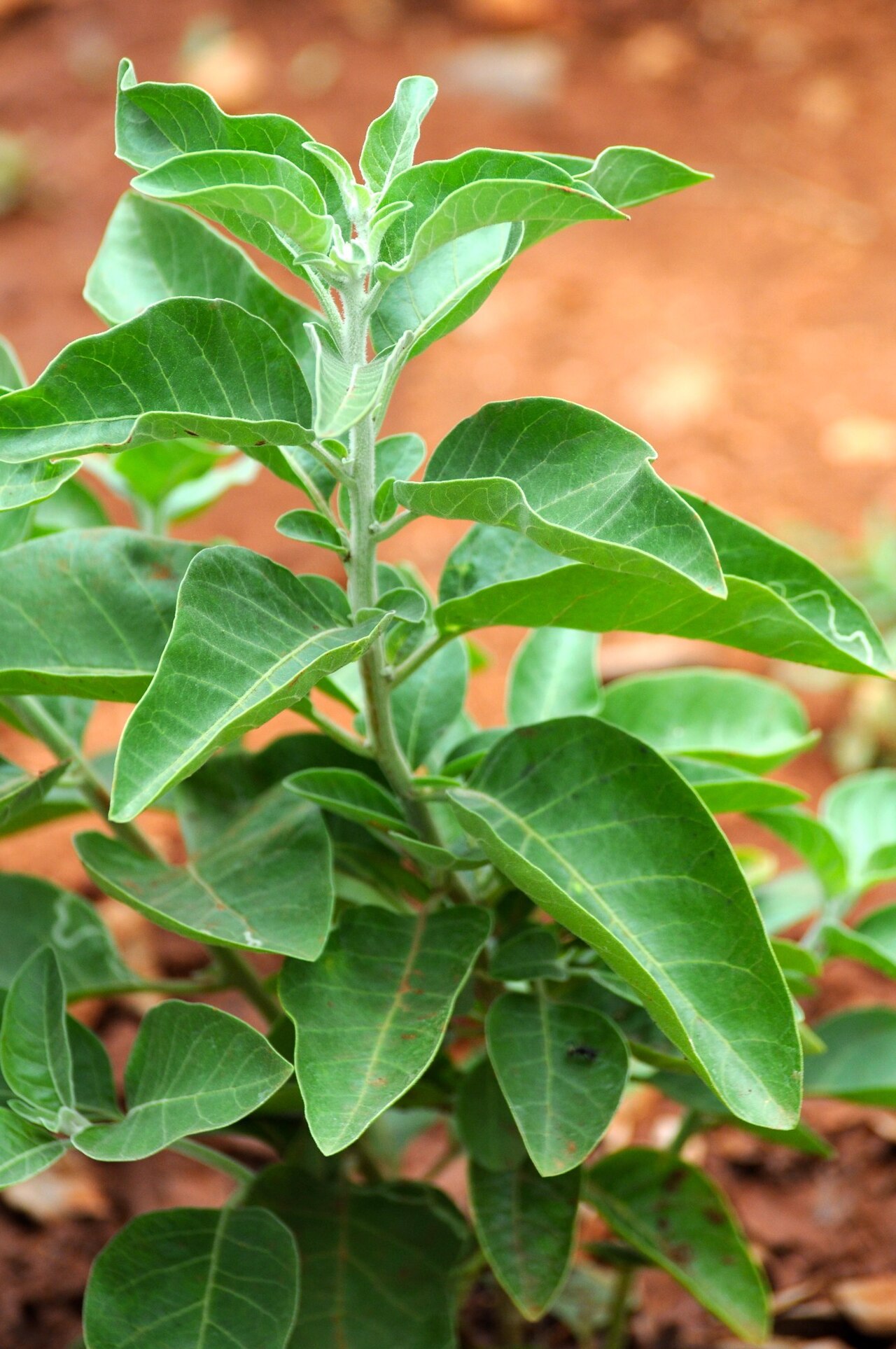
Two small eight-week trials are encouraging, but they tested 300-milligram extracts twice daily and do not validate every low-dose gummy or root product.
The most useful detail is the tested dose
Women looking for a comfortable way to discuss desire or sexual satisfaction deserve more than a vague “adaptogen” promise. Two randomized trials tested specific ashwagandha root extracts for eight weeks. Their results were encouraging, but the preparation and dose create a clear boundary around what can be claimed.
Both trials used 300 milligrams twice daily. They also enrolled selected women and relied on validated questionnaires and encounter counts. A retail gummy with a much smaller root amount is not the same intervention, even when the plant name matches.
The pilot trial produced a broad score signal
A 2015 double-blind pilot study randomized 50 women to a high-concentration ashwagandha root extract or placebo. The active group improved more on the total Female Sexual Function Index and several domains, including arousal, lubrication, orgasm, and satisfaction. Sexual distress and successful encounters also favored the extract.
A pilot trial is designed to provide an early signal, not a final treatment recommendation. Fifty participants and eight weeks leave questions about durability, uncommon adverse effects, and which women are most likely to benefit. The finished extract also matters because ashwagandha products vary.
A later trial repeated the short-term finding
A 2022 randomized placebo-controlled study enrolled 80 women ages 18 to 50 with low sexual-function scores or sexual distress and without hormonal disturbances. The same twice-daily 300-milligram pattern improved total and domain questionnaire scores more than placebo over eight weeks.
More women in the ashwagandha group also reported improvement in satisfying encounters. Adverse events were comparable in the study. Replication is helpful, but the trial was still small, short, and focused on otherwise healthy women under defined criteria.
Questionnaires combine several different concerns
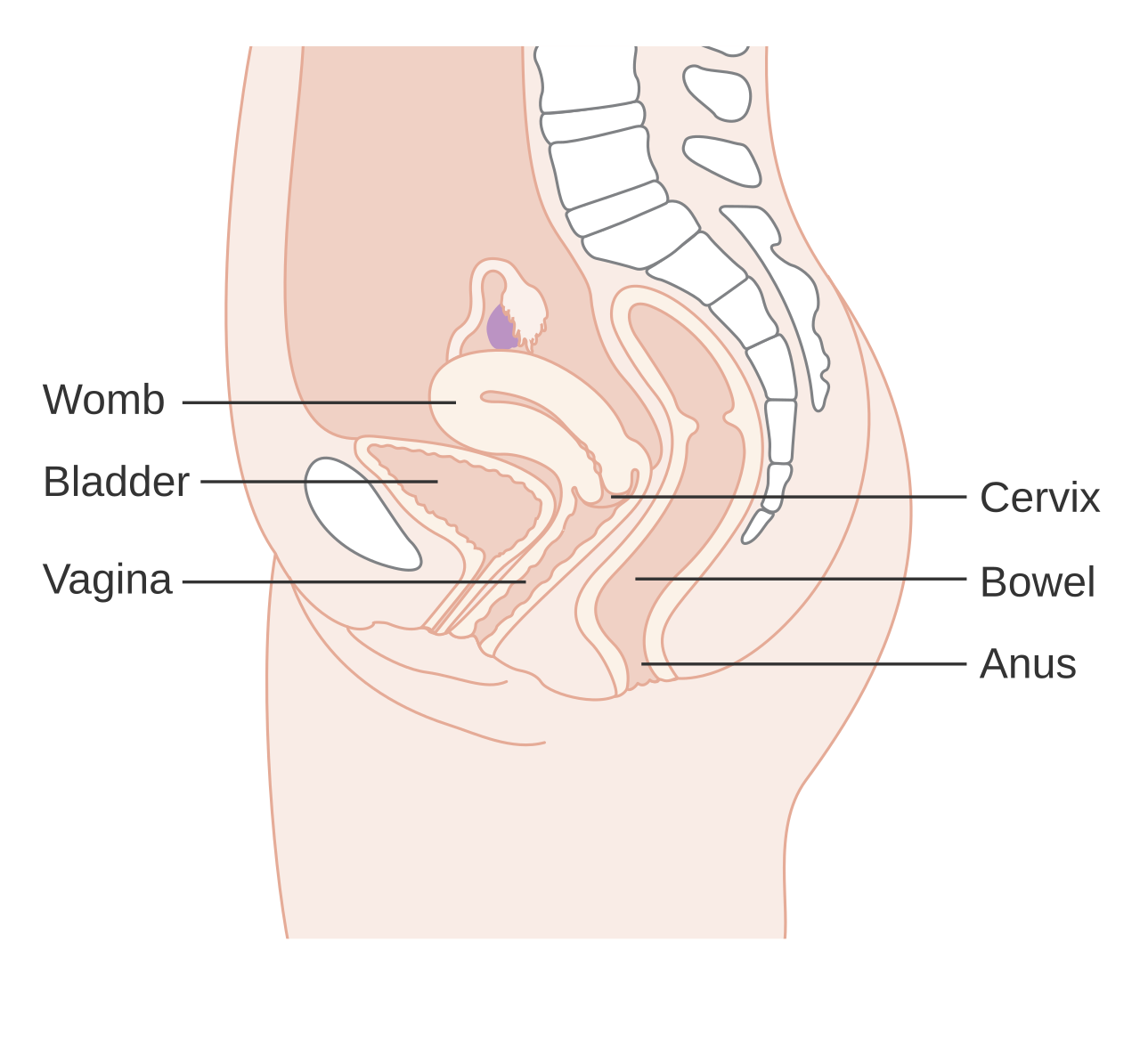
Sexual function includes desire, arousal, lubrication, orgasm, satisfaction, discomfort, relationship context, medicines, mood, sleep, menopause, and health conditions. A higher total score does not mean every domain improved equally for every participant. It also does not identify the cause of an individual concern.
Persistent pain, bleeding, new symptoms, medication-related changes, or distress deserve individualized care. A supplement may be one optional conversation, while pelvic health, menopause care, counseling, medication review, or treatment of a medical condition may be more relevant.
A gummy can be convenient without matching the trials
Flirty Time by Liva is a women’s libido gummy whose current catalog lists ashwagandha root along with zinc and vitamin D2. Its 25-milligram root figure is far below the 600-milligram daily extract dose used in the two trials, and the finished gummy was not the tested product.
That does not erase the appeal of a chewable format. It keeps the comparison honest: convenience and identifiable ingredients are product features, while the clinical results belong to specific standardized extracts. Confirm the complete serving and nutrient totals before combining it with a multivitamin.
Safety belongs beside the positive findings
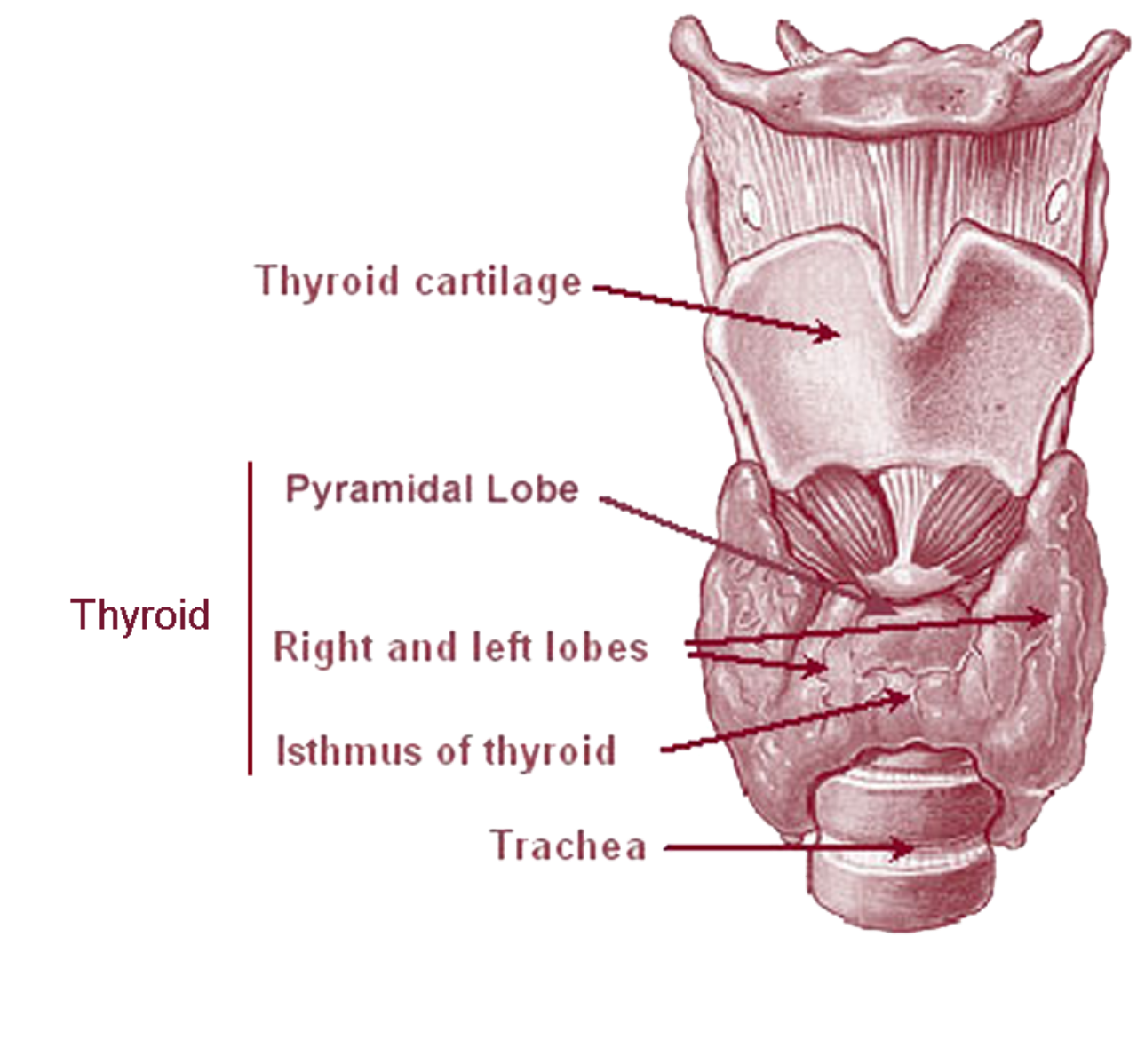
NIH and NCCIH guidance notes that ashwagandha may cause stomach upset, diarrhea, nausea, or drowsiness. Rare liver injury reports exist, and the herb may affect thyroid function or interact with diabetes, blood-pressure, immune-suppressing, sedative, seizure, and thyroid medicines.
Ashwagandha should be avoided during pregnancy and breastfeeding, and it is not recommended for some people with thyroid or autoimmune disorders or before surgery. The practical close is balanced: two promising short trials, a major dose-and-formulation gap for many products, and enough safety questions to justify a clinician or pharmacist review.
Make the personal goal more specific than “libido”
Before choosing a product, name the change that matters: desire, comfort, arousal, sleep, distress, medication effects, or relationship context. Different concerns can share one questionnaire score while needing very different support. A specific goal also makes an eight-week experiment easier to evaluate honestly.
Use one product at a time, record the exact serving, and stop for new jaundice, dark urine, marked stomach symptoms, palpitations, or other concerning effects. If pain or distress persists, seek qualified care. The supplement conversation should open options, not close off a fuller assessment.
Sources & further reading
- Efficacy and Safety of Ashwagandha Root Extract in Improving Sexual Function in Women: A Pilot Study ↗
- Efficacy and Safety of Ashwagandha Root Extract for Improvement of Sexual Health in Healthy Women: A Prospective, Randomized, Placebo-Controlled Study ↗
- NIH Office of Dietary Supplements: Ashwagandha Fact Sheet for Health Professionals ↗
- NCCIH: Ashwagandha—Usefulness and Safety ↗