
Chondroitin for hands or knees: why the joint in the study matters
Evidence and guideline interpretations can differ by joint, preparation, and study quality.
An osteoarthritis study in one joint does not automatically establish benefit in another.
Osteoarthritis is not one interchangeable study population
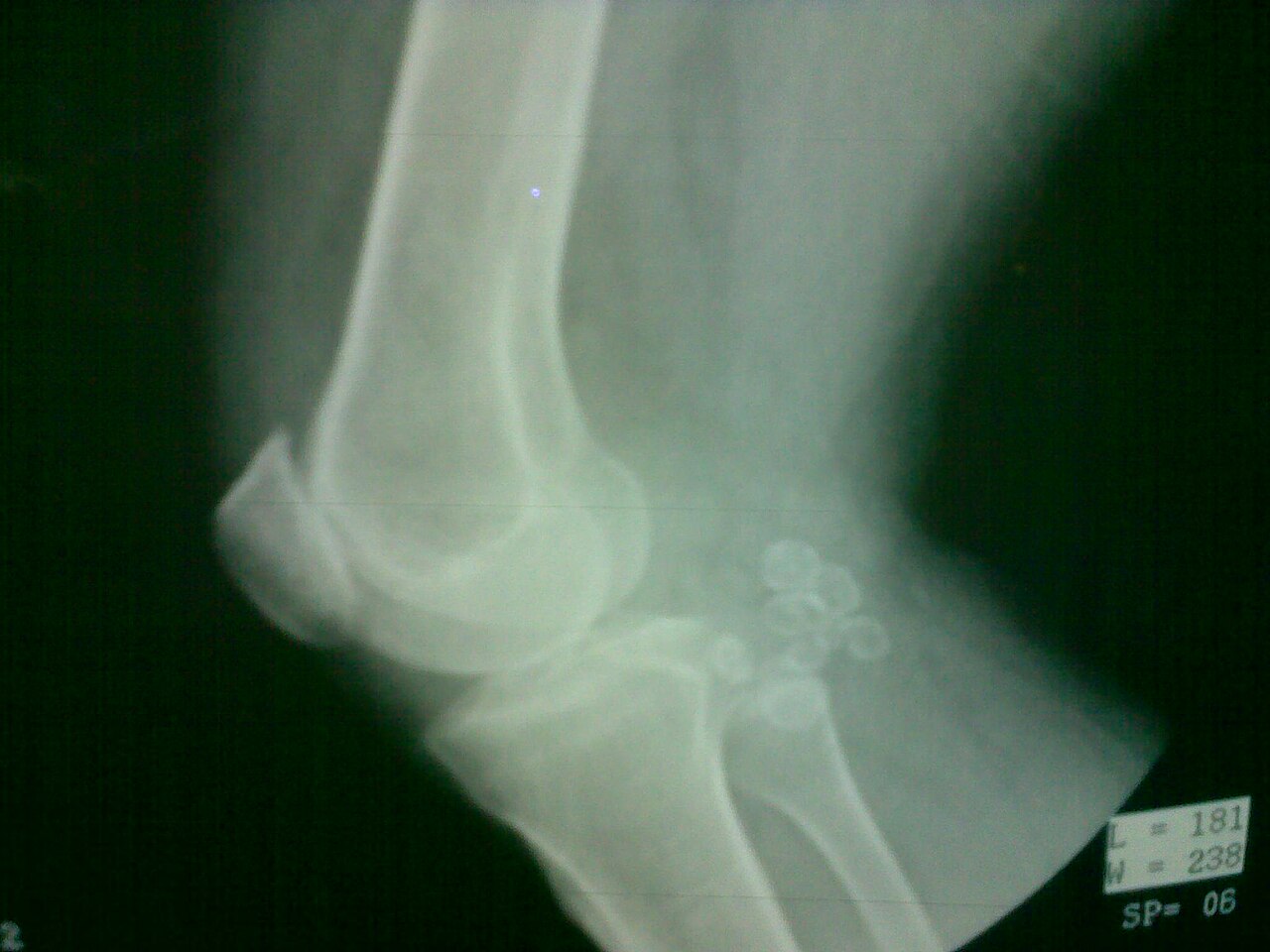
A bottle labeled joint support may show hands, knees, hips, or a full-body silhouette. That broad image can obscure an important limitation: evidence may come mainly from people with a particular joint affected. A finding in one location should not be treated automatically as a finding in every other location.
NCCIH's review of glucosamine and chondroitin describes inconsistent research results and differences among expert evaluations. It also notes that evidence beyond the knee is more limited. The specific joint is therefore not a minor detail in the study description. It helps define which question researchers were actually able to answer.
Different joints can involve different practical goals
Someone with hand symptoms may care about opening containers, fastening clothing, or writing. Someone with knee symptoms may focus on walking or using stairs. Both people may use the word function, but the outcome measures and daily activities are not identical.
A supplement claim should preserve those differences. If a study measures hand function, do not assume it establishes easier walking. If research mainly concerns knee pain, do not extend its conclusion to every small joint. The issue is not whether the body has shared biological features. It is whether a relevant clinical effect was demonstrated in the situation being advertised.
Guideline differences need explanation
Expert groups sometimes reach different conclusions about chondroitin. They may emphasize different evidence, preparations, joints, or standards for recommending use. NCCIH summarizes this complexity rather than presenting all guidance as a single verdict. A commercial comparison that quotes only the most favorable sentence can make the evidence appear less contested than it is.
The appropriate response is to examine the context of the recommendation. Which joint and preparation does it address? How strong was the recommendation, and what limitations were noted? A conditional statement is not a universal endorsement. Readers benefit from knowing why expert interpretations differ, not simply which organization supplies the most convenient quotation.
Preparation and quality complicate the picture
A trial of a particular pharmaceutical-grade preparation does not necessarily describe the effect of every dietary supplement sold under the same ingredient name. NCCIH notes differences in study findings and formulations. That makes exact product identification important when connecting a study to a commercial claim.
Quality testing can help answer what a bottle contains, but it does not itself establish clinical benefit. Conversely, a favorable trial cannot guarantee the identity or purity of an unrelated bottle. Keep these questions separate so that evidence about one does not silently substitute for evidence about the other. A trustworthy comparison addresses both rather than using a broad quality label as a shortcut.
Outcomes should match what the person values
Pain scales can be useful, but the magnitude and practical importance of a change matter. A statistically detectable average difference may not translate into an obvious improvement for every participant. Look for functional outcomes and the comparison with the control group as well as changes from baseline.
This is also a reason to avoid treating a product as a diagnostic test. Feeling different after taking it does not establish the cause of a joint symptom. A qualified professional can assess the condition and help determine which evidence is relevant. A supplement trial enrolling diagnosed patients should not be used to label an unexplained pain at home.
Read the fine detail before the broad promise
The strongest question for a chondroitin claim is specific: what preparation was tested, in whom, for which joint, against what comparison, and with which result? That question may reveal some relevant evidence, substantial uncertainty, or a poor match to the proposed product.
The conclusion should be scaled accordingly. A limited finding in one joint cannot support a blanket statement that a supplement restores joints throughout the body. Careful reporting preserves the location, formulation, and measured outcome instead of smoothing them into a universal promise. That level of precision gives a reader a much better basis for discussing the product with a clinician.
Sources & further reading
This article provides educational information. Ask a qualified clinician or pharmacist about your symptoms, medical conditions, medicines and supplement interactions.