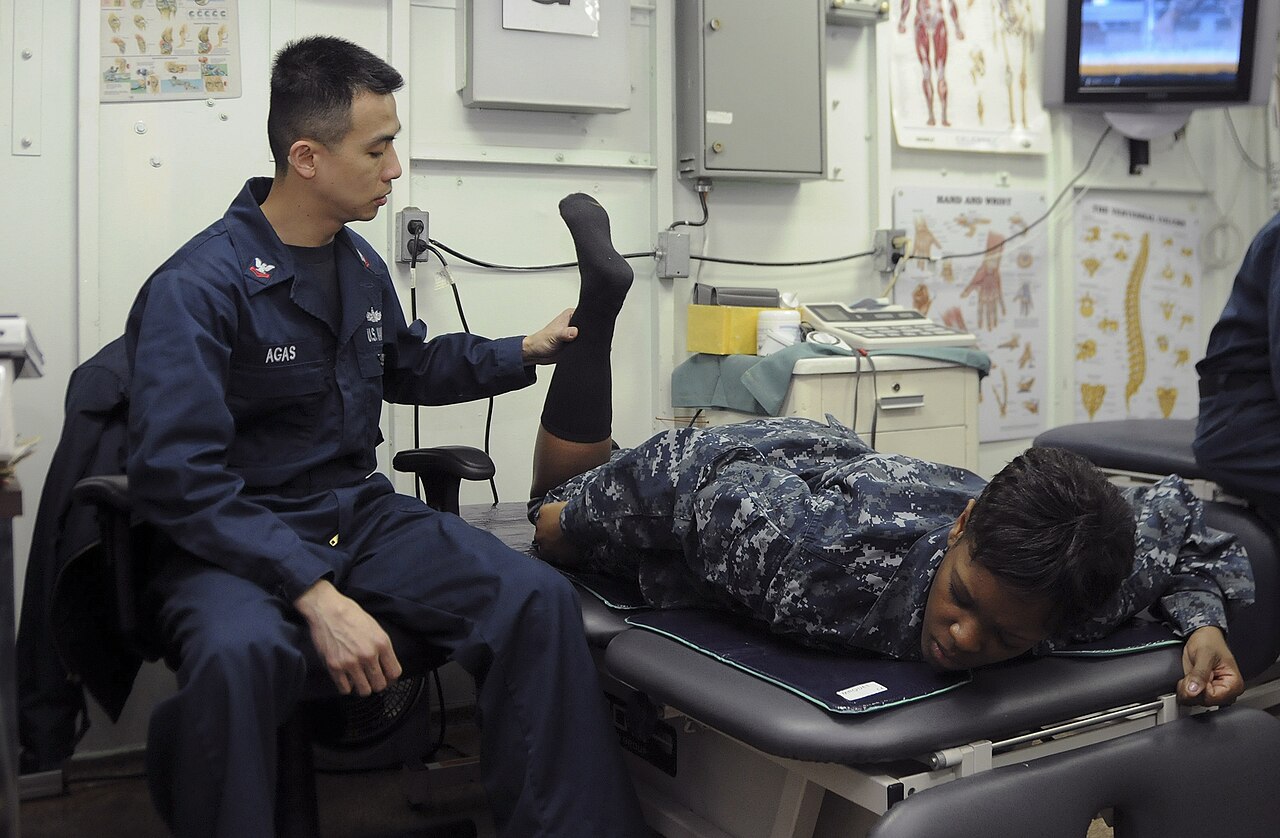
Creatine with exercise for knee osteoarthritis: promising add-on, not a standalone fix
Two randomized trials paired creatine with rehabilitation for knee osteoarthritis. Their design supports an add-on question, not a cure claim.
Creatine may add to structured exercise or physical therapy in selected knee-osteoarthritis groups, but small trials do not establish a standalone treatment.
The trials tested a package, not creatine in isolation
Creatine is established as a sports-nutrition ingredient for improving performance in repeated high-intensity efforts and supporting training adaptations in some settings. Knee osteoarthritis research asks a different question: can creatine add to a rehabilitation program? The answer cannot be separated from the exercise or physical therapy both groups receive.
That distinction is constructive. Stronger leg muscles and better function are relevant goals in knee osteoarthritis, and creatine could theoretically help training. But a supplement should not receive credit for the entire benefit of a supervised program. The randomized comparison estimates only the added effect beyond shared care.

A 12-week study in postmenopausal women found functional gains
A double-blind randomized trial assigned postmenopausal women with knee osteoarthritis to creatine or placebo while both groups completed lower-limb resistance training for 12 weeks. The creatine group improved more on a timed-stands measure and showed favorable changes in lower-limb lean mass and some function and stiffness scores. Pain decreased in both groups.
The population matters. Results in postmenopausal women participating in a defined training program cannot automatically be generalized to men, younger adults, people unable to exercise or users taking creatine without training. The study supports an add-on hypothesis and highlights physical function, not cartilage repair.
A newer trial was short and small
A 2025 randomized trial enrolled 40 adults with knee osteoarthritis. Both groups received physical therapy and resistance exercise for four weeks; one also received creatine and the other placebo. Several pain, function, strength and body-composition measures favored the creatine group, while range of motion and the quality-of-life subscale did not show added benefit.
Four weeks is a brief window, and multiple outcomes increase the chance of favorable findings unless the analysis plan clearly prioritizes them. Replication with larger samples, longer follow-up and transparent primary endpoints is needed before the results support broad clinical recommendations.

Sports evidence cannot fill osteoarthritis gaps
Creatine monohydrate has a substantial research base in exercise, but performance studies in healthy athletes do not establish effectiveness for osteoarthritis symptoms. Product, population and outcome must match. A gain in laboratory strength is not automatically the same as less pain, easier stairs or improved participation in daily life.
Likewise, normal water-related weight change or increased lean mass should not be advertised as joint repair. The trials did not show cartilage regeneration or disease modification. Marketing should describe creatine as a possible support for training adaptation, not as a substance that rebuilds knees.
Safety and implementation require context
Creatine is generally well studied in healthy adults, but kidney disease, pregnancy, medicines and other medical factors can change the discussion. Gastrointestinal symptoms can occur, and a loading phase is not automatically necessary for every goal. The exact protocol should be reviewed with the clinician or physical therapist managing the rehabilitation plan.
The current evidence supports a measured possibility: creatine may improve some outcomes when layered onto structured therapy in selected people with knee osteoarthritis. It does not support replacing exercise, assessment or established care with powder alone. Future trials should clarify who benefits, whether improvements persist and whether the added change is large enough to matter in everyday movement.
A future study should also separate supervised adherence from supplement effects. People who attend more therapy sessions, progress resistance appropriately and meet protein and energy needs may respond differently from those who cannot follow the same program. Researchers can track attendance, training load and creatine exposure, then test whether the added effect remains after the program ends. Falls, flare-ups and withdrawals should be reported fully. Everyday function deserves priority over surrogate measures. Patient priorities should be documented. Until that work is done, product claims should stay tied to the combined protocol rather than suggesting that creatine alone produces the reported rehabilitation outcomes. The tested population should remain visible in every summary.
Sources & further reading
This article provides educational information. Ask a qualified clinician or pharmacist about your symptoms, medical conditions, medicines and supplement interactions.