Devil’s claw for osteoarthritis: promising extract-specific evidence with safety gaps
Devil’s claw trials suggest possible short-term symptom relief, but formulation differences, weak methods and limited safety data constrain conclusions.
Devil’s claw may offer modest short-term relief in some studies, but evidence is preparation-specific and long-term safety remains uncertain.
A traditional name covers several preparations
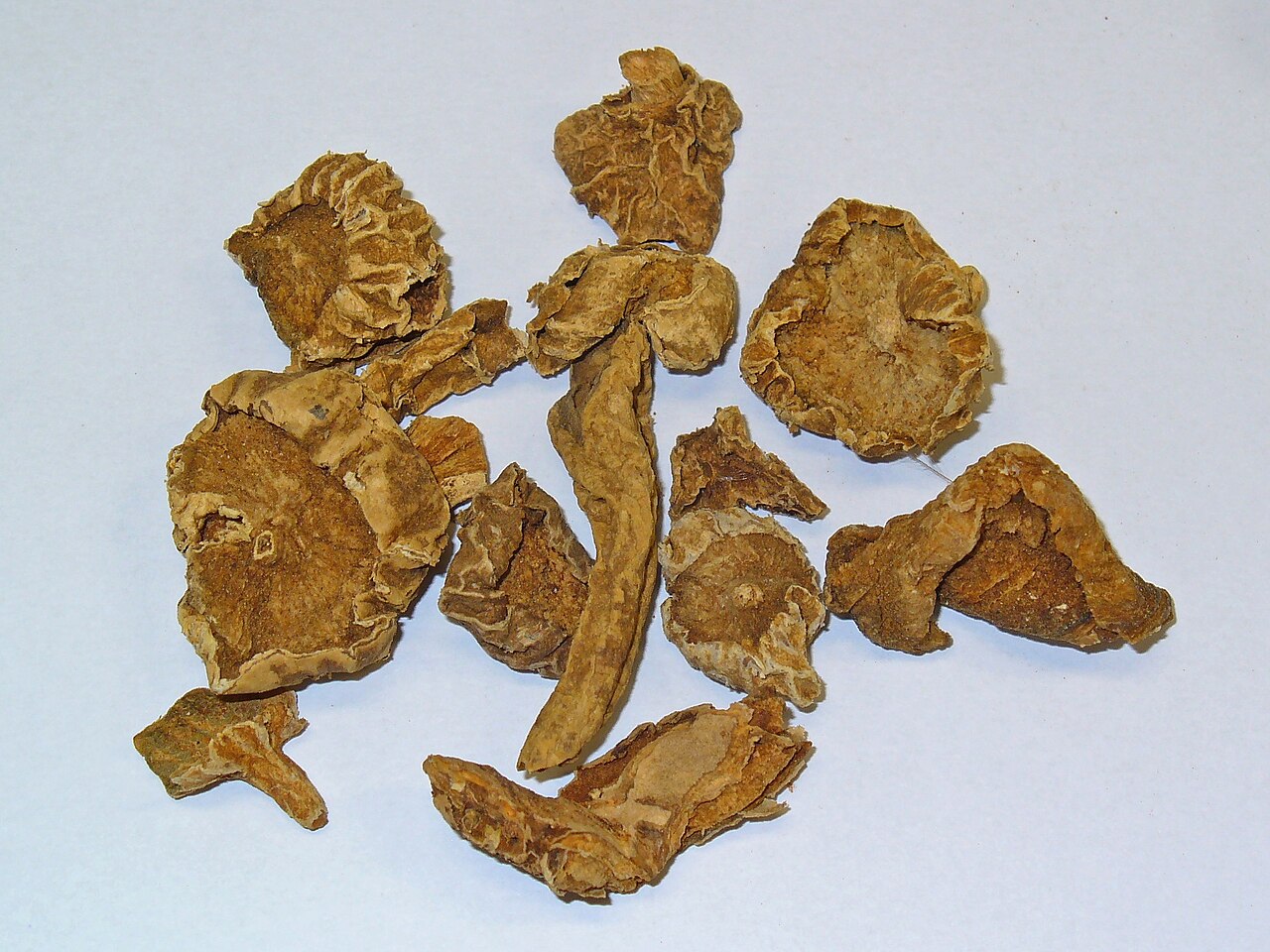
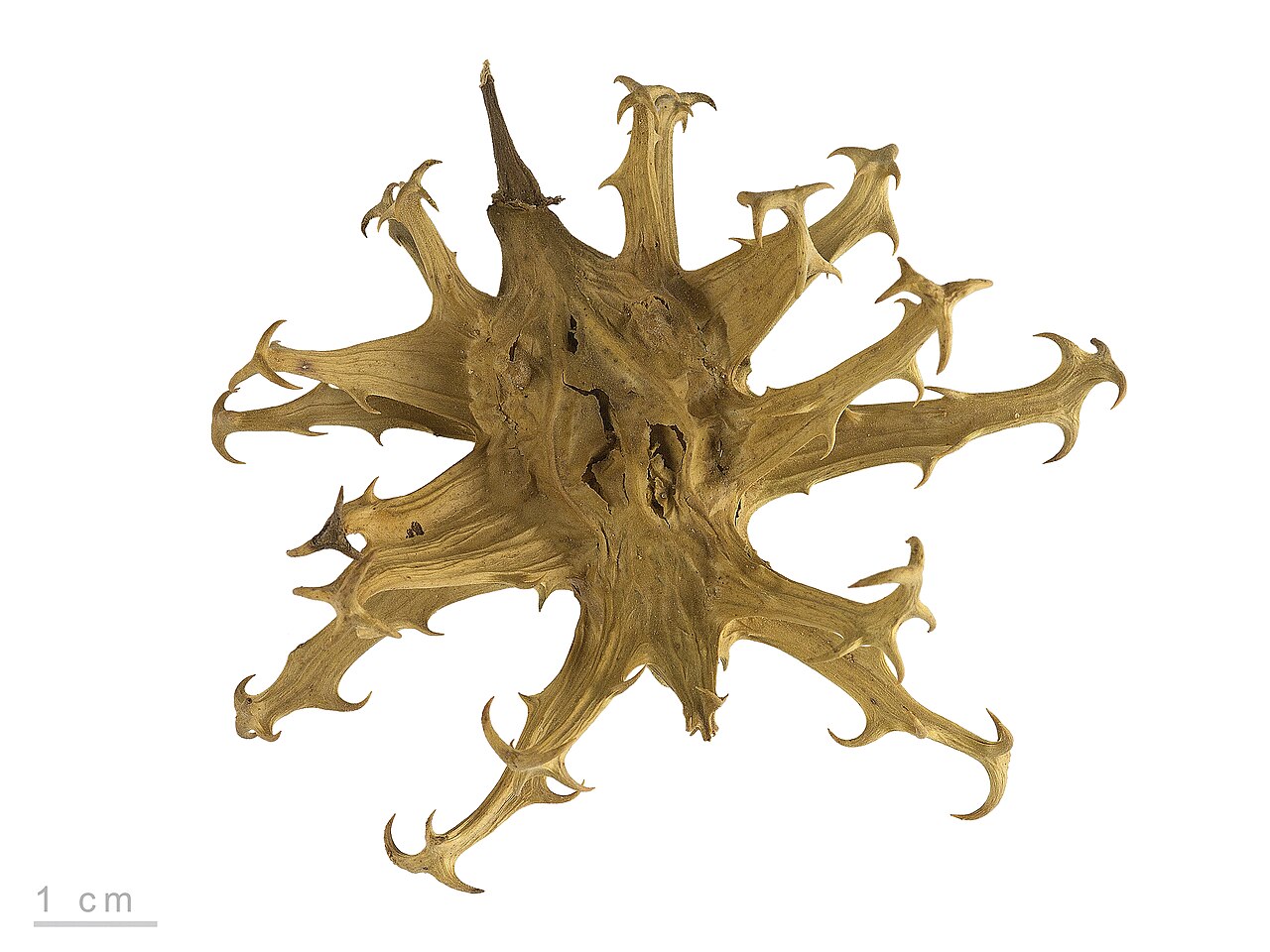
Devil’s claw refers mainly to Harpagophytum procumbens, a southern African plant used in products for back and joint pain. Commercial extracts differ in solvent, plant material and standardized harpagoside content. Those differences are not cosmetic. A result from one aqueous powder or ethanolic extract cannot automatically support every capsule labeled with the common plant name.
NCCIH describes a small evidence base for musculoskeletal pain and warns that the long-term effectiveness and safety of devil’s claw remain insufficiently reliable. Traditional use and laboratory anti-inflammatory findings can justify research, but they do not establish a clinically meaningful benefit for osteoarthritis or identify an appropriate product for a particular person.
The active-comparator trial did not prove superiority
A four-month randomized double-blind study enrolled 122 people with hip or knee osteoarthritis and compared a Harpagophytum preparation with diacerhein. Symptoms improved in both groups, with no significant differences in pain, disability or the Lequesne index. Participants assigned devil’s claw used less rescue analgesic and anti-inflammatory medication and reported fewer adverse events.
This finding is interesting, but “no significant difference” is not automatically proof of equivalence. A formal noninferiority design needs a prespecified margin and enough participants to exclude an unacceptable loss of effect. The study also lacked a placebo group, so changes shared by both groups cannot be cleanly attributed to either treatment.
Reviews found signals amid weak methods
A systematic review of twelve controlled trials found limited or moderate evidence for specific preparations and amounts in osteoarthritis or low-back pain. Clinical heterogeneity prevented a simple pooled estimate. A later osteoarthritis review identified several positive trials but concluded that methodologic quality was generally poor and a definitive efficacy answer was not available.
This is a recurring supplement problem: multiple small studies can sound impressive when counted, yet their products, diagnoses, comparators and outcomes may not align. Confidence depends on randomization, concealment, blinding, complete follow-up and prespecified analysis, not merely on the number of papers that mention the plant.
Safety is not established by botanical origin
A safety review found mostly minor gastrointestinal adverse events in short clinical trials, but emphasized the lack of chronic-toxicity information. NCCIH notes concerns for people with heart or circulatory disorders, diabetes, gallstones or peptic ulcer disease. Potential medicine interactions make the exact health history and complete medication list important.
Product quality adds another uncertainty. Species identity, extraction and contamination testing should be documented, while quality certification should not be mistaken for proof of pain relief. A blend containing several botanicals creates further attribution problems because a favorable or adverse response cannot be assigned confidently to devil’s claw alone.

A reasonable conclusion stays product-specific
The evidence permits cautious interest in certain standardized preparations for short-term symptoms. It does not show that devil’s claw rebuilds cartilage, slows structural progression or replaces established osteoarthritis care. Persistent swelling, injury, systemic symptoms or rapidly changing pain require assessment rather than self-treatment based on a botanical label.
If a clinician considers a time-limited trial appropriate, the studied extract, intended outcome and review date should be explicit. Keeping exercise, medicines and other supplements stable when practical can make the response easier to interpret. Continuing indefinitely without a meaningful improvement is not supported simply because older studies reported a signal.
Questions a better trial should answer
A modern placebo-controlled trial should characterize the extract chemically, register one primary symptom or function outcome, and enroll enough people to estimate a clinically meaningful difference. Follow-up should extend beyond the short periods common in the existing literature and report every withdrawal and adverse event. Independent replication would help separate a reproducible plant effect from results tied to one manufacturer or research program.
Researchers should also record rescue-medicine use, activity, diagnosis and coexisting conditions. Those factors can change pain without reflecting a direct supplement effect. Reporting absolute score changes and responder rates would make the result more understandable than a claim that one group improved significantly. Until those questions are answered, dose rankings and “best extract” lists would create precision that the evidence does not possess.
Sources & further reading
This article provides educational information. Ask a qualified clinician or pharmacist about your symptoms, medical conditions, medicines and supplement interactions.