Max T Review: A More Complete Look at Men’s Vitality and Nutritional Support
Review Max T’s named botanicals, mineral amounts, active-lifestyle research, practical format, current bundle prices, and key label details.
Max T offers a coordinated botanical-and-nutrient formula that may appeal to active men. Its minerals and named extracts are worth examining, while joint treatment, exact daily exposure, and personal results should not be assumed.
A formula for men who prefer a coordinated routine
Max T Testosterone Support offers a clear practical proposition: several recognizable botanicals and nutrients brought together in one branded product. A man who already spends time thinking about movement, recovery, and general well-being may find that coordinated format attractive. It can reduce the number of separate ingredient purchases to consider and provides a specific formula to discuss with a pharmacist or clinician.
For Joint & Mobility Journal, the relevant question is how the product fits a broader wellness routine without assigning it a joint indication. Max T is marketed around male vitality and testosterone support, not established here as an arthritis therapy, cartilage treatment, or pain reliever. This review examines the current facts image, research on selected ingredients, practical details, and the actual offer. The positive case rests on a convenient combination and an identifiable research trail, while the exact serving and personal circumstances determine whether that combination is suitable.

The mineral panel is one of the most useful details
The current image lists magnesium as oxide at 124.5 mg, zinc as oxide at 22.5 mg, and vitamin B6 as pyridoxine hydrochloride at 7.5 mg. Their displayed Daily Value percentages are 30%, 204%, and 441%, respectively. Those figures give shoppers a concrete way to compare the formula with a multivitamin, a recovery product, or another men’s supplement already in regular use.
The image has an amount-per-serving heading but no visible serving-size or capsule-count line. Although the page says one capsule daily, that wording does not establish that the listed amounts are all contained in one capsule. Obtain the complete current bottle panel and confirm the serving basis before calculating actual daily intake. This is especially important when several products supply zinc, magnesium, or B6. A coordinated formula can simplify a routine, but its convenience is strongest when the nutrient contribution is clearly understood rather than accidentally duplicated.
Nutritional roles should be appreciated accurately
Magnesium contributes to normal muscle and nerve function and many enzymatic processes. Zinc and vitamin B6 also have established roles in normal physiology. These are genuine reasons nutrients matter to overall health, and their inclusion may appeal to someone who prefers a formula with nutritional foundations alongside botanicals. A disclosed nutrient panel is more useful than an entirely unnamed mineral blend.
Those roles do not establish that Max T relieves joint pain or that extra intake improves testosterone in an adequately supplied man. A randomized mineral-combination study in resistance-trained men did not show improved training adaptations, illustrating why nutrient importance and an additional performance benefit are different claims. The relevant personal question is whether the confirmed amount fits an actual need and the existing routine. A man with ongoing pain or impaired movement should not assume that a nutrient-containing vitality product replaces diagnosis, rehabilitation, or targeted treatment for the underlying problem.
The botanical core gives the formula a recognizable identity
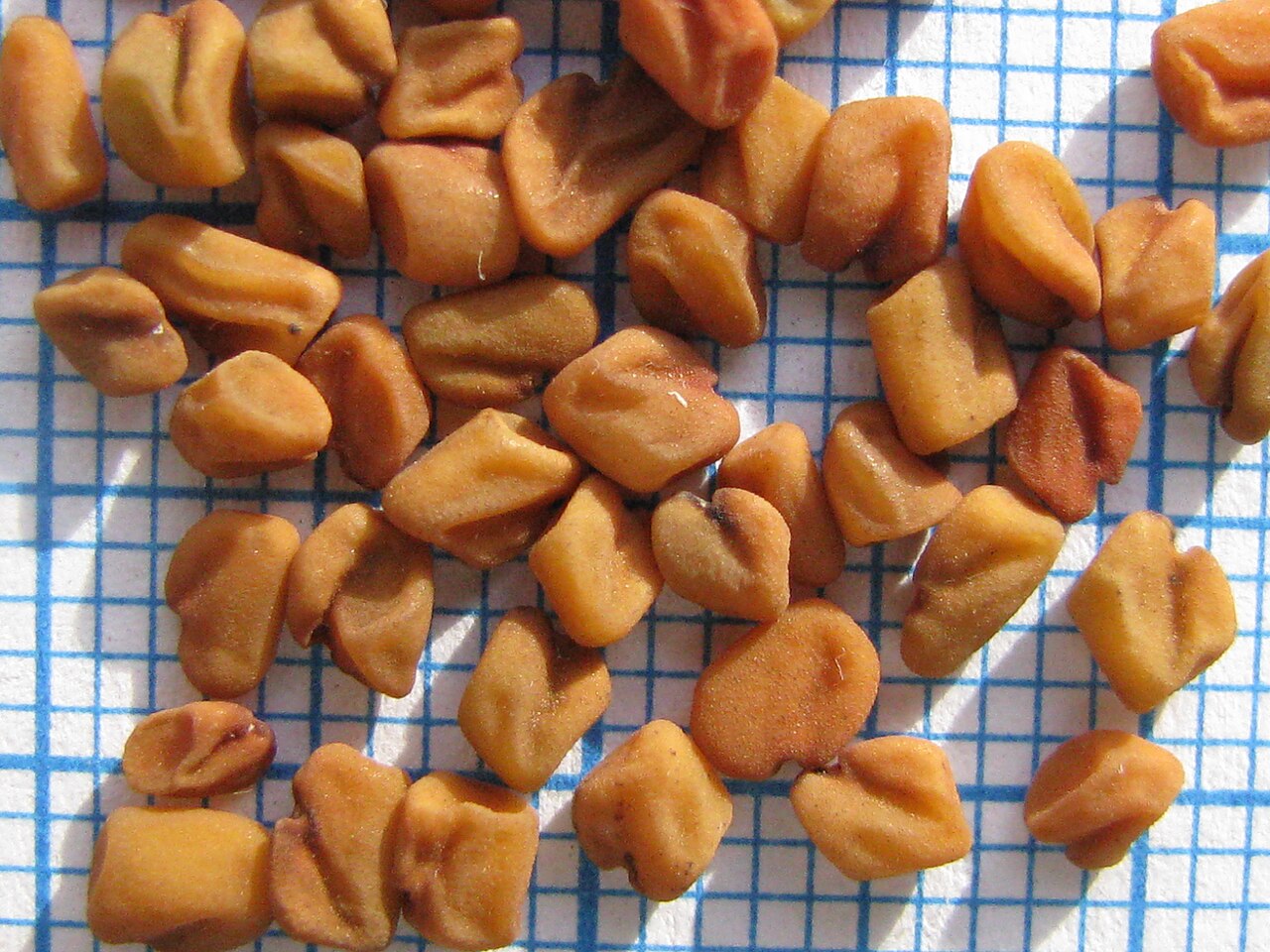
The current facts graphic lists fenugreek at 450 mg, Long Jack at 406.5 mg, and KSM-66 ashwagandha at 225 mg. Naming these components gives shoppers more to investigate than a general promise of energy. Each botanical has its own research literature, and a recognizable extract name can make the comparison more precise. That is part of Max T’s appeal for men who like understanding what they are considering.
Preparation still matters. The label describes a fenugreek standardization, while other page wording uses Testofen-type language; those descriptions do not independently verify a particular branded supply chain. Long Jack’s stated specification should also be compared carefully with the exact extract used in a study. A larger milligram number is not a substitute for ingredient identity. The missing serving definition further limits direct daily-dose comparisons. The formula’s research-linked character is a positive starting point, while full specification is what makes that interest clinically interpretable.
KSM-66 connects with active-lifestyle research
A randomized resistance-training study used KSM-66 ashwagandha root extract at 600 mg daily for eight weeks in men with limited prior training experience. Selected strength, recovery, and body-composition outcomes favored the extract. That gives this ingredient a substantive human evidence trail and explains why it attracts attention in products marketed to men who want to feel active and capable.
The trial did not test Max T, and the product’s displayed 225 mg amount plus unresolved serving basis do not establish a matching regimen. It also did not demonstrate joint-pain relief from this retail formula. The fair positive interpretation is that Max T includes a named extract worth examining, rather than an unspecified plant powder with no clear research connection. A shopper can appreciate that selection while recognizing that the finished blend requires its own evidence. Ingredient research informs the review; it does not automatically become a guaranteed outcome for the combination.
Stress and sleep are relevant context, not universal explanations
NIH describes some evidence for certain ashwagandha preparations in stress and insomnia, with studies varying in extract and amount. That may interest men whose daily lives feel crowded by demands. A botanical with research in these areas can fit the concept of general well-being, particularly when someone wants to make more room for rest and personal enjoyment.
It does not mean that every experience of fatigue, discomfort, or lower interest in activity has the same cause. Pain, medicine effects, sleep disruption, mood, and physical limitations can require different kinds of attention. Max T should not be expected to resolve all of them because one ingredient has a broad wellness reputation. Its best role is a product considered for a defined personal purpose after the actual formula is understood. A thoughtful routine allows supplements, medical care, movement, and rest to each have an appropriate place rather than asking one bottle to cover every concern.
Fenugreek evidence rewards a careful reading
The current label’s fenugreek detail gives shoppers a useful question about standardization and ingredient identity. Research has explored different preparations for hormone-related outcomes, but results are not uniform. In a 2024 randomized study of a particular extract, plasma and saliva measures showed different patterns, and baseline changes did not consistently establish a placebo advantage. Subjective effects were not demonstrated.
That study was not a test of Max T and should not be converted into a promise of more energy, muscle, or improved sexual function. The constructive takeaway is that botanical research can be substantive and still mixed. A product does not need an exaggerated interpretation to be interesting. A buyer who values a combined formula can ask for exact extract information and decide whether the convenience is worthwhile. The clinical question remains whether the specific preparation and confirmed exposure produce a meaningful outcome, rather than whether the ingredient has appeared in any positive-sounding headline.
The circulation complex adds breadth with disclosure limits
Max T’s current panel names a 975 mg ImperiFlow Circulation Complex. Its ingredient list includes arginine, citrulline, tribulus, horny goat weed, tongkat ali, maca, saw palmetto, Butea superba, muira puama, damiana, Xanthoparmelia scabrosa, and rhodiola. For someone who prefers one broad men’s formula, this makes the product more than an isolated mineral supplement. It consolidates several familiar categories into a single purchase.
Individual amounts within the complex are not stated. The 975 mg number applies to the combination, not to every ingredient. An arginine trial that used 6 g daily in men with defined vascular erectile dysfunction therefore cannot be treated as proof that this much smaller mixed complex reproduces the intervention. Long Jack and tongkat ali also commonly name the same botanical, so separate mentions do not reveal a calculable total. The formula’s breadth is visible; the exposure and effect of each component remain less precise.
Broad convenience and a narrow research goal are different choices
Some shoppers want an exact amount of one ingredient that matches a study. Others prefer the convenience of a branded combination even when the overall effect has not been directly tested. Neither preference should be hidden inside a vague claim that one format is always best. Max T’s practical strength is consolidation, while a study-matching decision requires the complete serving and extract details.
This distinction is useful when a man’s goal is moving more comfortably. If the main priority is a joint diagnosis, pain management, or rehabilitation, a broad vitality formula may not address the actual question. If the priority is exploring a convenient men’s wellness product with named botanicals and nutrients, Max T has a clearer place in the comparison. Defining the goal before buying makes the positive features more relevant and reduces the temptation to interpret every ingredient as evidence of every desired benefit.
Capsule details can materially affect fit
The current page describes vegan-friendly capsules and no artificial colors, but the displayed other-ingredient list includes gelatin and FD&C colorants. That is a material discrepancy for someone with dietary requirements or sensitivities. The seller should confirm a consistent current formula and bottle panel before the product is described as vegan or dye-free. A capsule product is most convenient when its actual materials fit the purchaser’s needs.
This review did not physically test capsule size, swallowing ease, or the bottle closure. A man with hand limitations can ask about packaging rather than assume an accessibility advantage from a photograph. Those practical questions are part of a useful review, not a distraction from the ingredient story. Clear directions, compatible materials, and manageable packaging make a routine easier in tangible ways. The appealing all-in-one concept is strongest when those details are verified instead of replaced by an invented hands-on experience.

Review the whole routine if medicines are involved
A multi-ingredient formula should be considered alongside existing medicines and supplements. This is particularly relevant for people already managing persistent pain, thyroid conditions, or a complex care plan. A pharmacist can use the full current bottle label and confirmed serving to assess compatibility. Prescribed treatment should not be stopped or adjusted to make room for a wellness product.
NCCIH notes that ashwagandha can interact with sedatives and medicines affecting blood pressure, diabetes, thyroid function, and immune conditions. Liver concerns and upcoming surgery can also affect suitability. Drowsiness and digestive symptoms are possible, and rare liver injury has been reported with ashwagandha supplements. Zinc overlap deserves attention as well: NIH’s adult upper intake level is 40 mg daily, while the current panel displays 22.5 mg per stated serving. These concise checks help ensure that convenience does not become an unexamined combination of ingredients supplied by several products.
Quality claims are strongest with product-specific evidence
The seller describes manufacturing quality controls and third-party testing. These are welcome goals, especially for a formula containing numerous botanicals. A certificate of analysis linked to the exact product and lot would make the claims easier to evaluate. Useful documentation identifies the laboratory, ingredients or markers tested, and contaminant screening, rather than relying only on a broad quality statement.
No independently verified batch certificate or finished-product randomized efficacy trial was established in this review. FDA structure/function claims are also different from FDA approval of supplement effectiveness. These distinctions allow genuine quality measures to be appreciated for what they can show. They do not make a product clinically proven simply because manufacturing is described positively. For a buyer, following through on documentation is a practical way to strengthen confidence in the formula’s composition while keeping the question of personal benefit appropriately separate.
A useful report should also make its limits clear. A contaminant screen addresses particular substances within the test scope; an identity assay addresses whether a declared ingredient or marker is present. Neither answers whether a man will feel more energetic or move with less discomfort. Knowing which question a document answers prevents the word tested from becoming an all-purpose reassurance. It also gives the seller an opportunity to provide something concrete that strengthens an otherwise appealing coordinated formula.
Prices, purchase terms, and our overall view
The current catalog offers one bottle at $79.95, two at $139.95, and three at $179.95, with free U.S. shipping advertised. Using the displayed totals, larger bundles average approximately $69.98 and $59.98 per bottle. Three bottles cost $59.90 less than three separate singles at the listed price. That is a concrete offer advantage for someone who understands the formula and wants the supply, while the single bottle represents the smaller immediate commitment.
The page’s 30-day satisfaction guarantee differs from 90-day language in checkout and return materials. Confirm the applicable written policy and any recurring charge, cadence, and cancellation conditions before paying; the general terms describe recurring Club supplies, while the reviewed Max T checkout did not clearly settle the arrangement. Overall, Max T offers an appealing combination format with identifiable extracts and a useful nutrient panel. Its best fit is a considered men’s wellness choice, supported by clarified serving information and personal suitability, rather than an assumed treatment for joints or a guarantee of hormone-related results.
Sources & further reading
- Max T Testosterone Support current official product page ↗
- Max T Testosterone Support current official Supplement Facts ↗
- Official returns policy ↗
- Official terms ↗
- NIH ODS: Magnesium ↗
- NIH ODS: Zinc ↗
- ZMA and resistance-training adaptations: randomized trial ↗
- Ashwagandha and resistance training: randomized controlled trial ↗
- Fenugreek extract and plasma/saliva testosterone: randomized trial ↗
- PHYSTA Eurycoma longifolia: randomized sexual-well-being trial ↗
- L-arginine in vasculogenic erectile dysfunction: randomized trial ↗
- NCCIH: Ashwagandha ↗
- FDA: Structure/Function Claims ↗
This article provides educational information. Ask a qualified clinician or pharmacist about your symptoms, medical conditions, medicines and supplement interactions.