
Melatonin for fibromyalgia pain and sleep: new review finds modest, low-certainty benefits
A 2026 review found possible modest melatonin benefits for musculoskeletal pain and sleep, but fibromyalgia trials remain small and varied.
Melatonin may help sleep and some pain outcomes in fibromyalgia, but evidence is heterogeneous and does not support treating it as primary pain therapy.
Fibromyalgia links sleep and pain without making them identical
Fibromyalgia involves widespread pain, fatigue, sleep disturbance and other symptoms. Poor sleep can worsen pain experience, but improving sleep does not automatically treat every aspect of the condition. Melatonin is therefore studied both as a sleep-related hormone and as a possible pain-modulating adjunct.
The relevant question is not whether melatonin makes someone sleepy. Trials must measure pain, function, sleep quality and adverse effects against placebo or an appropriate active control.
The 2026 musculoskeletal-pain review was cautious
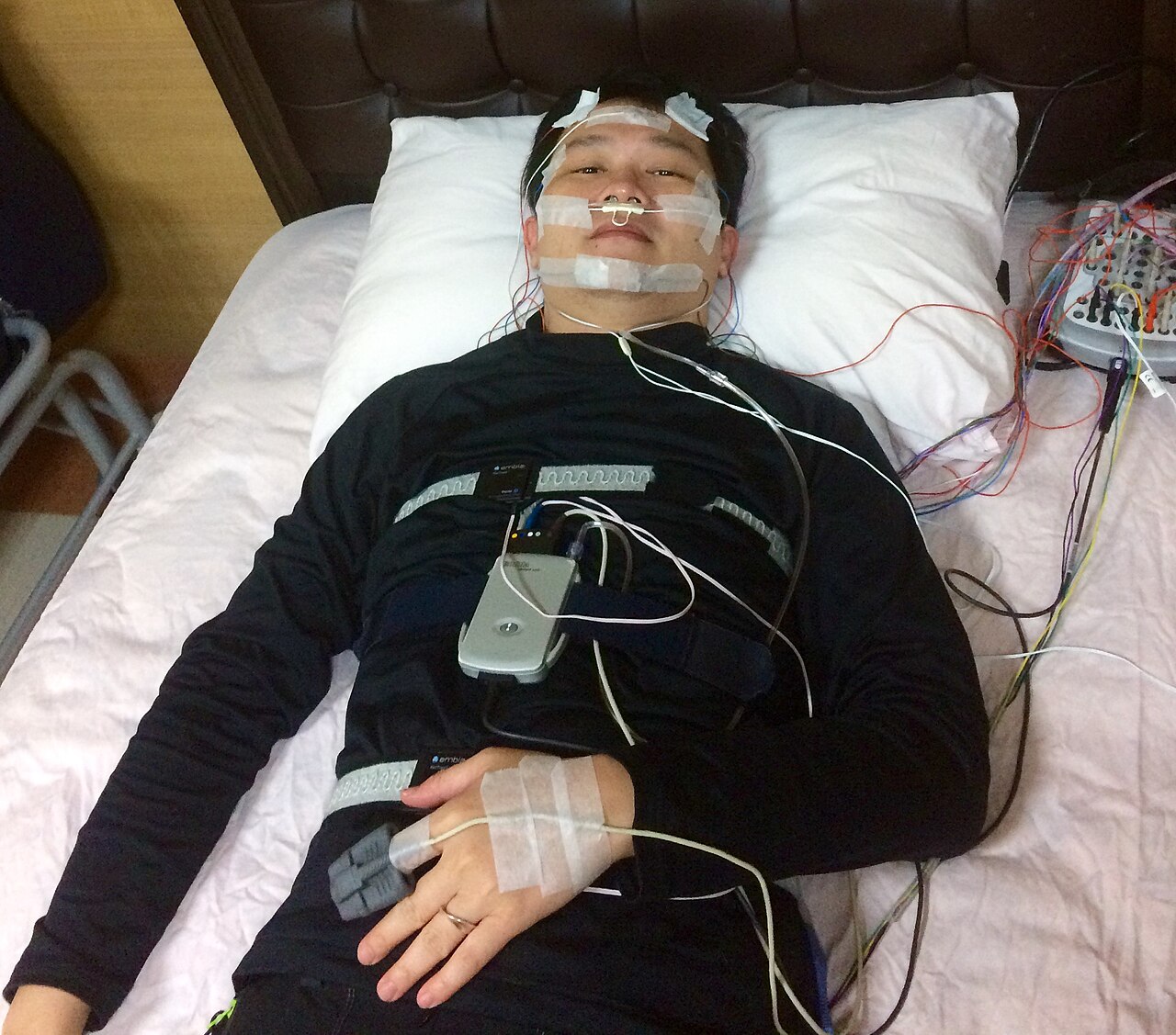
A systematic review published in 2026 included 23 controlled trials with 2,028 participants across chronic and postoperative musculoskeletal pain. In chronic pain, melatonin was not clearly superior to placebo in the main pain analysis, although a low-risk-study sensitivity analysis favored it. Sleep quality improved, while most effects did not reach minimal clinically important thresholds.
The authors rated certainty low to moderate and described melatonin as a possible adjunct rather than primary treatment. Pooling several pain conditions broadens the sample but makes the result less specific to fibromyalgia.
Fibromyalgia studies are small and heterogeneous
A 2019 systematic review found only four melatonin studies with 98 fibromyalgia participants. All reported favorable signals, but designs, doses and outcomes differed, creating substantial heterogeneity. The small total sample makes publication bias and unstable estimates plausible.
An early open study found improvements after thirty days, but without placebo control it could not separate melatonin from expectation, symptom fluctuation or study attention. Controlled evidence deserves greater weight.
An active-controlled trial explored pain modulation
A six-week randomized study assigned 63 women to amitriptyline, ten milligrams of melatonin, or both. It measured pain, sleep, fibromyalgia impact and laboratory pain-modulation responses. The design examined whether melatonin alone or combined with an established medicine changed several outcomes.
Because there was no pure placebo group, the trial cannot provide the same estimate as a placebo-controlled study. Results also apply to women in a defined protocol, not every person with chronic pain or every over-the-counter dose.
Dose and next-day effects matter
Fibromyalgia studies often used higher melatonin amounts than many sleep products. Higher is not automatically better. Daytime sleepiness, dizziness, vivid dreams and interaction with sedatives or other medicines can affect safety, falls and driving.
Product purity and release pattern may change exposure. An immediate-release tablet is not equivalent to a sustained-release product. People should review the exact formulation and avoid combining multiple sleep aids without professional guidance.
The fresh evidence supports an adjunct label
The 2026 review strengthens interest in melatonin for sleep and possibly modest pain effects, but it does not establish a large clinically important benefit for fibromyalgia. The condition still requires individualized evaluation and multimodal management.
Future trials should use placebo, standardized dosing, longer follow-up and prespecified pain and function thresholds. Until then, melatonin can be discussed as a monitored adjunct for selected patients, not as a replacement for evidence-based fibromyalgia care.
Pain and sleep outcomes should be reported side by side
A person can sleep better without reaching a meaningful reduction in pain, or experience less pain while sleep remains disrupted. Fibromyalgia trials should therefore prespecify both domains and avoid collapsing them into a vague improvement claim. Daytime function, fatigue and next-day sedation matter because a sleep benefit that impairs activity may not be a net gain.
Future placebo-controlled studies should compare immediate- and sustained-release products only when powered for that question, verify adherence and use doses relevant to practice. They should also track falls, driving impairment and interactions with antidepressants or sedatives. Longer follow-up is necessary because short sleep studies cannot show whether benefits persist or whether circadian timing becomes harder to manage.
Timing is part of the intervention as well. Taking melatonin at an arbitrary late hour can shift circadian timing differently from taking it before the intended sleep period. Fibromyalgia studies should report clock time, light exposure and sleep schedule, not only milligrams. Without those details, reproducing a trial becomes difficult and a failed or favorable personal response may reflect timing rather than the ingredient alone.
Sources & further reading
This article provides educational information. Ask a qualified clinician or pharmacist about your symptoms, medical conditions, medicines and supplement interactions.