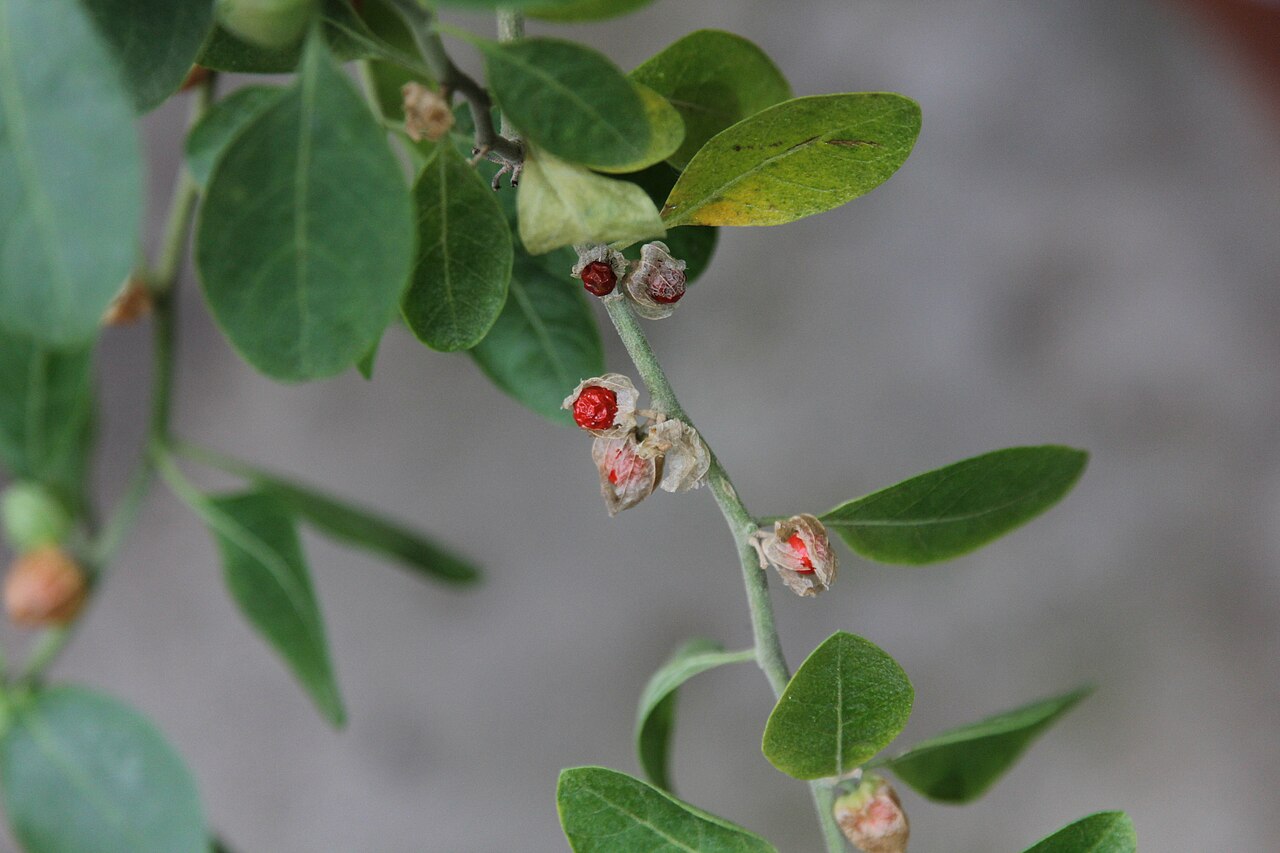
Myogentra Review for Active Men: Botanical Convenience and the Muscle-Function Perspective
A practical Myogentra review covering its one-capsule format, ashwagandha strength research, formula amounts, and current buying terms.
Myogentra offers a compact men’s wellness routine with training-relevant ingredient research; it has not established joint-pain or cartilage benefits.
A compact formula for men who value an active routine
An active lifestyle involves more than a single joint or a single supplement. Strength, confidence with movement, daily habits, and the ability to keep a routine manageable all influence the experience. Myogentra enters this conversation as a men's botanical and mineral formula with a one-capsule serving. For someone who already wants its ingredients, the clearest immediate advantage is convenience: a consolidated supplement rather than a collection of separate bottles.
Joint Mobility Journal readers may be especially interested in the ashwagandha component because of published research involving resistance exercise and muscle function. That is a useful angle for evaluating the product, provided the distinction remains clear between ingredient background and a demonstrated benefit of the supplied capsule. Myogentra has not established itself here as a treatment for joint pain or a cartilage-restoration product. Its more coherent role is a broad men's wellness option that can be considered alongside an existing activity routine.
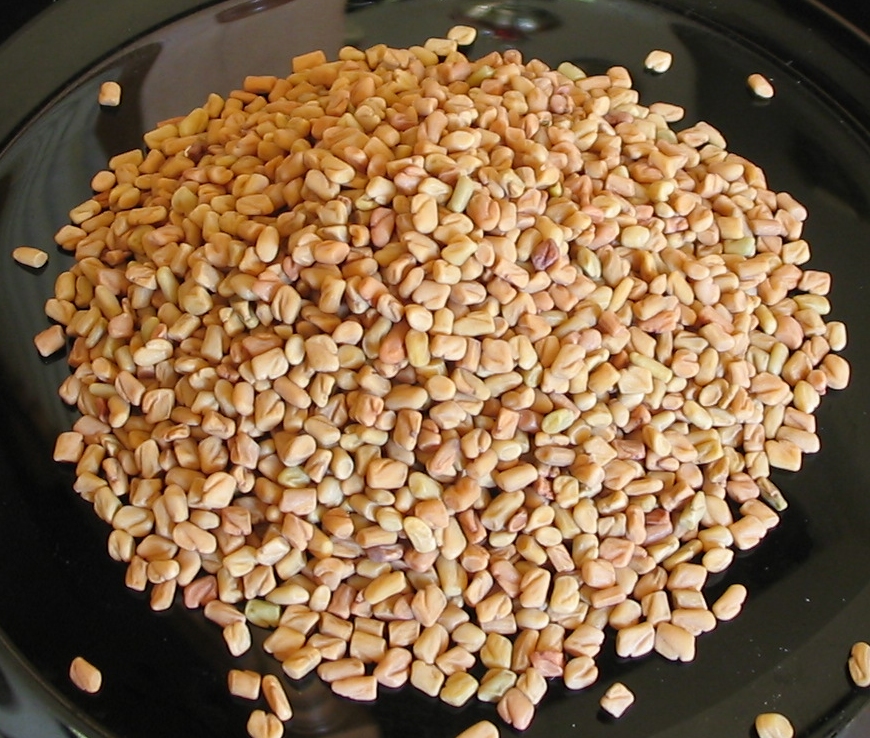
Muscle strength and joint symptoms are different outcomes
A supplement study can measure a participant's lifting performance without establishing any effect on arthritis, tendon pain, or joint structure. These are different questions with different assessment methods. That matters because readers may see strength-related research and understandably wonder whether it also supports easier movement in daily life. The connection can be interesting, but it cannot be assumed to prove relief of a specific musculoskeletal condition.
For Myogentra, the practical starting point is to define the desired outcome before ordering. Someone seeking a convenient botanical blend is evaluating format, ingredients, personal suitability, and cost. Someone seeking help for a painful knee is asking a clinical question the reviewed product evidence does not answer. Keeping those goals distinct helps the formula's actual strengths remain visible without expanding them into promises about cartilage, inflammation, or pain that the finished capsule has not demonstrated.
The posted serving offers useful details
The official Supplement Facts image lists a single capsule as the serving and 30 servings in a container. Fenugreek extract is listed at 150 milligrams, long jack extract at 135.50 milligrams, and KSM-66 ashwagandha root at 75 milligrams. The separately quantified nutrients are magnesium at 41.50 milligrams, zinc at 7.50 milligrams, and vitamin B6 at 2.50 milligrams. Having those amounts makes a more informative review possible than relying only on a description of premium ingredients.
There is also a combined 325-milligram blend containing arginine, tribulus, horny goat weed, tongkat ali, maca, saw palmetto, citrulline, Butea superba, muira puama, damiana, Xanthoparmelia, and rhodiola. The individual dose of each blend constituent is not disclosed. That breadth may appeal to someone seeking botanical variety, but it prevents a precise comparison for those ingredients with a particular clinical intervention. Ingredient count is a formula characteristic, not a measurement of demonstrated benefit.
Ashwagandha has a relevant training study
A randomized study by Wankhede and colleagues examined ashwagandha with an eight-week resistance-training program in men with little previous training experience. The tested amount was 300 milligrams of root extract twice per day. Researchers assessed strength and several related outcomes, reporting advantages for the ashwagandha group in a number of measures compared with placebo. The study provides a genuine human research reason to consider the ingredient in an active-lifestyle discussion.
The conditions of that study are important. It combined a specific extract and a 600-milligram daily amount with a structured training program. Myogentra's posted KSM-66 quantity is 75 milligrams per capsule. Consequently, the trial does not show that the capsule as sold reproduces the same strength or body-composition results. A positive, accurate interpretation is that Myogentra includes a recognized botanical with training-related research, while the effect of this particular amount in this multi-ingredient product remains unestablished.

Why the dose comparison should remain visible
It is tempting to treat an ingredient's brand name as a complete bridge between a product and every study associated with it. Dose, duration, formulation, participant characteristics, and the activity program still matter. A lower or differently combined amount cannot simply inherit the numerical outcome reported for another intervention. This is a practical comparison issue rather than a reason to dismiss all ingredient research.
It also should not lead a customer to take extra capsules to imitate a trial. Increasing the serving would simultaneously increase every botanical, mineral, vitamin, and capsule ingredient. That is a different formula from the one tested in the ashwagandha study. The useful purchasing question is whether the actual Myogentra serving meets the buyer's preferences. The single-capsule format is a clear advantage for simplicity; a demonstrated training effect at that serving would require a study designed to test the product itself.
Tribulus adds variety, with a different evidence record
Tribulus is included in the combined blend and is a familiar name in men's performance supplements. Its reputation should be considered alongside human findings rather than treated as proof of added strength. A study by Antonio and colleagues investigated tribulus during resistance training and did not establish convincing additional training benefits under its conditions. That is useful context when comparing the ingredient's promotional image with actual measured outcomes.
The Myogentra label does not disclose the individual tribulus amount, so this is not a direct product comparison. Nevertheless, the study illustrates why a longer ingredient list should not be interpreted as multiple guaranteed performance improvements added together. The capsule's appeal can rest on a broad botanical approach and easy serving format. Its overall training effect remains a separate question, and the reviewed materials did not provide a controlled finished-formula trial demonstrating that effect.
A broader wellness angle through stress research
Ashwagandha research extends beyond lifting studies. Chandrasekhar and colleagues investigated a root extract at 300 milligrams twice daily for 60 days in adults experiencing stress, with outcomes including stress assessments and cortisol. This helps explain why the ingredient attracts interest from people who want to support a more manageable daily routine as well as physical activity. It supplies a defined research example rather than relying only on the broad term adaptogen.
The study does not establish joint-pain relief, and it used a different daily amount from the 75 milligrams shown on Myogentra's label. Nor does a stress-related finding prove that recovery from a musculoskeletal injury will improve. The useful connection is that the ingredient has been studied in several human wellness settings. A customer who values that background can appreciate it while keeping the claims attached to the actual studies and avoiding an unsupported promise about the capsule's effects.
Fenugreek and long jack explain the men’s wellness positioning
The separately listed fenugreek and long jack quantities help distinguish Myogentra from products intended specifically for cartilage or joint symptoms. A fenugreek trial by Rao and colleagues used 600 milligrams daily of a particular preparation in men over 12 weeks, examining hormone and sexual-function outcomes. An Eurycoma longifolia trial by Ismail and colleagues used a specific 300-milligram daily preparation over 12 weeks in men. These are relevant to understanding the product's general men's wellness identity.
Neither trial establishes a joint benefit from Myogentra. The posted amounts and extract details also differ from simply reproducing those interventions. That does not remove the practical appeal for a man who wants a broad vitality-oriented supplement. It clarifies the category: this is a botanical and mineral men's formula, with some training-related ingredient context, rather than a clinically demonstrated solution for a painful shoulder, stiff knee, or cartilage concern.

Minerals are best assessed across the whole routine
Magnesium is listed as oxide, zinc as oxide, and vitamin B6 as pyridoxine hydrochloride. These details allow a straightforward comparison with a multivitamin or another supplement the buyer may already use. A complete inventory is especially helpful for active people who collect products for different goals and later discover that several contain overlapping nutrients. Seeing the actual quantities helps keep the routine purposeful.
Those nutrients have roles in normal physiology, but that fact alone does not establish better muscle function or less joint pain from extra intake in every person. The formula is also not a substitute for protein-containing foods or a comprehensive eating pattern. The positive feature is label visibility: a customer can identify what the capsule adds, consider whether the additions are relevant, and avoid assuming that every extra nutrient amount translates into a measurable mobility benefit.
The strongest convenience features are easy to verify
One capsule is a low-effort serving compared with mixing a powder or managing several single-ingredient products. A 30-serving bottle also provides an understandable supply interval. These features can be useful for a man who wants to keep his supplement routine consistent while focusing attention on his training or daily activity plan. The practical value comes from making the chosen habit easier to maintain.
The supply interval should not be mistaken for a guaranteed response timeline. Buying 90 days of product does not establish that a particular improvement must occur within that period. Similarly, a feeling of progress during a new activity routine cannot identify which change caused it. Myogentra is easiest to evaluate when convenience is treated as a direct observation and strength, pain, hormonal, or recovery outcomes are treated as questions requiring their own appropriate evidence.
Current formula questions worth resolving
The shop uses vegan-friendly and no-dye messaging, while the posted Supplement Facts image lists gelatin and color additives. That makes the actual supplied bottle label important for customers with dietary or additive preferences. Asking for a current label image is a concise way to resolve the discrepancy before ordering several bottles. A convenient capsule should also be a capsule whose materials meet the purchaser's requirements.
Individual suitability deserves the same specificity. NIH ashwagandha guidance discusses certain thyroid, autoimmune, liver, medication, and other circumstances in which professional advice matters. Someone already managing a condition can use the exact ingredient list in that conversation. New or persistent pain, swelling, or a loss of function also deserves assessment rather than an assumption that a men's supplement is the missing element. The product can remain a separate wellness choice while the underlying movement concern receives attention appropriate to its cause.
Reading the company’s performance-oriented headlines
Myogentra's marketing includes numerical testosterone and absorption claims. These are the company's representations, not independently established outcomes for the complete formula in this review. A matching finished-product controlled trial and a corresponding human absorption comparison were not located in the reviewed materials. Such claims should therefore not become promises that every purchaser will experience a particular hormone increase or uptake multiple.
This is relevant to active readers because a headline laboratory number can be made to sound like a direct prediction of strength or recovery. Even a verified change in one marker would not automatically establish less pain or better function. The product's actual benefits as a purchase are clearer: a recognizable ingredient lineup, several stated serving amounts, and a compact format. Those features can support interest without requiring the buyer to accept an unverified transformation story.
Current supply options and practical value
The reviewed shop lists a 30-day bottle at $79.95, a two-bottle supply at $139.95, and a three-bottle supply at $179.95 on its supply cards. The approximate per-bottle amounts therefore fall to $69.98 and $59.98 with the larger options. For a buyer who already wants the formula, that creates a straightforward unit-cost comparison and a way to plan a longer routine.
A separate one-time-purchase button displays $99.95, and the terms discuss subscriptions for customers who enroll. The selected order should therefore be checked for its actual quantity, purchase type, and final total. It is also worth confirming the guarantee: the shop refers to 30 days, while the reviewed terms and returns page describe 90 days. Return postage is generally the customer's responsibility unless the seller made an error, and shipping is not refunded. Those details make the commercial comparison more complete.
A positive fit when the purpose matches the product
Myogentra is most compelling for an active man seeking a convenient general wellness formula with familiar botanicals and separately listed nutrients. Its single-capsule serving can simplify an existing supplement habit, and ashwagandha's human training literature provides a useful research connection. The combination gives the product an understandable identity even without treating every ingredient as a guaranteed source of extra performance.
For a mobility-focused reader, the appropriate expectation is precise. The reviewed evidence does not establish joint-pain relief, cartilage repair, or a training benefit from this finished formula. Ingredient trials used different interventions, including a substantially higher ashwagandha amount. Confirming the current bottle label and order terms allows the buyer to consider the actual proposition positively: botanical variety and daily convenience as part of a broader men's wellness routine, with specific joint and movement concerns evaluated on their own evidence.
Sources & further reading
- Myogentra official product page ↗
- Myogentra official Supplement Facts image ↗
- Wankhede et al.: Ashwagandha strength and recovery trial ↗
- Antonio et al.: Tribulus and resistance training trial ↗
- Chandrasekhar et al.: Ashwagandha and stress randomized trial ↗
- Rao et al.: Testofen randomized trial ↗
- Ismail et al.: Eurycoma longifolia randomized trial ↗
- NCCIH: Ashwagandha ↗
- Baseline-Men terms and conditions ↗
- Baseline-Men return policy ↗
This article provides educational information. Ask a qualified clinician or pharmacist about your symptoms, medical conditions, medicines and supplement interactions.