Probiotics and rheumatoid arthritis: the gut-joint hypothesis is not yet a treatment
Small probiotic trials in rheumatoid arthritis report signals, but strain specificity, bias and low-certainty evidence prevent treatment claims.
Probiotic findings in rheumatoid arthritis are preliminary and strain-specific; supplements should not replace disease-modifying treatment.
The gut-joint idea is scientifically plausible but incomplete
Researchers are studying how gut microbes interact with immune function, including in rheumatoid arthritis. That work is often summarized as the “gut-joint axis.” A plausible relationship does not mean that a retail probiotic can treat an autoimmune disease. Microbiome patterns can reflect diet, medicines, geography and disease activity, making cause and effect difficult to separate.
Rheumatoid arthritis requires medical diagnosis and disease-modifying treatment to reduce inflammation and protect joints. A probiotic trial can examine an adjunct to stable care; it cannot justify replacing that care. Marketing that presents microbiome support as an alternative to prescribed therapy goes beyond the evidence and creates a risk of irreversible joint damage.

Small randomized trials produced signals
A 2016 randomized, double-blind trial assigned 60 people with rheumatoid arthritis to a three-strain probiotic capsule or placebo for eight weeks. The probiotic group had a modestly greater improvement in the 28-joint disease activity score and changes in some metabolic and inflammatory measures. The sample was small and the intervention short.
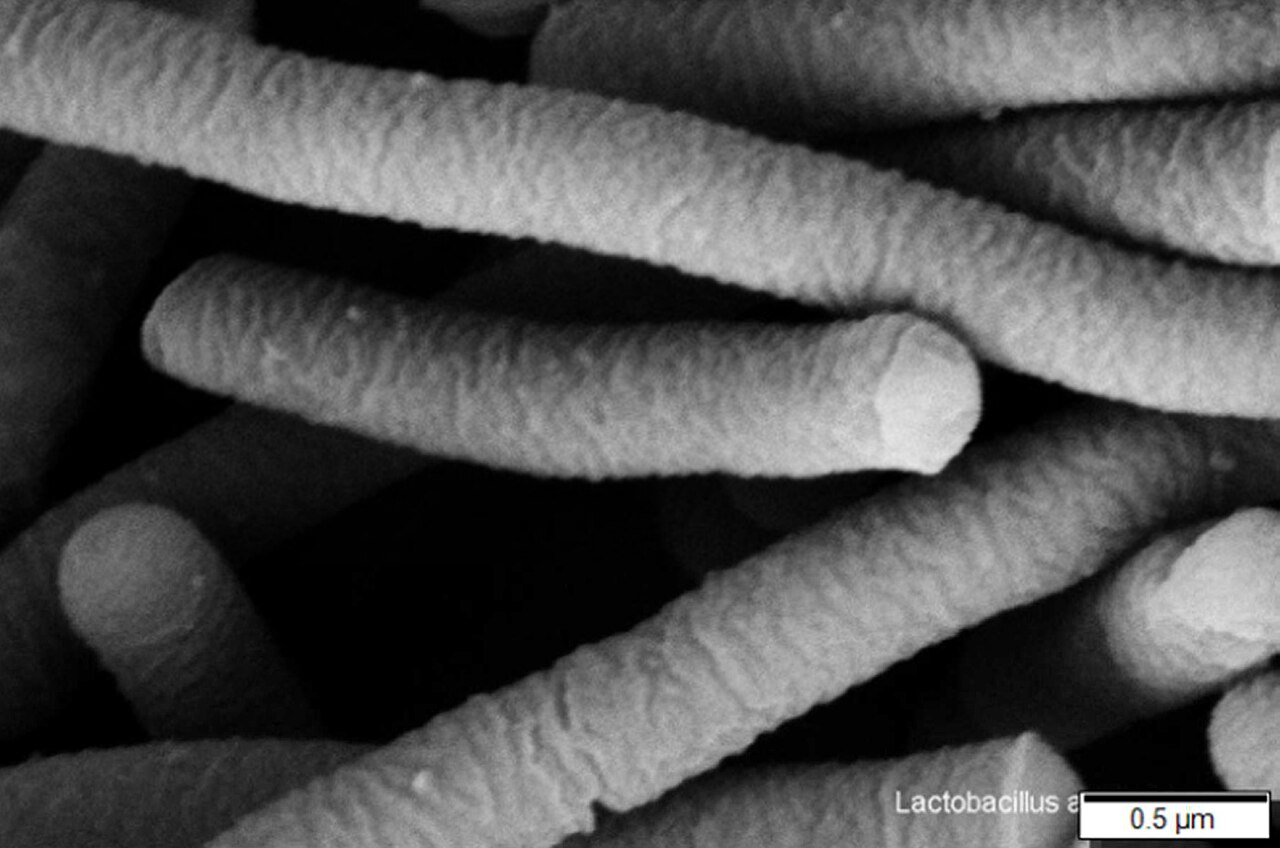
Another randomized trial in women with established rheumatoid arthritis tested a specific Lactobacillus casei strain for eight weeks. Tender and swollen joint counts, disease activity and selected cytokines favored the probiotic group. These studies support further research into defined strains; they do not establish a class effect for yogurt, fermented foods or unrelated commercial blends.
Reviews show why the headline remains cautious
A 2022 systematic review found that probiotics might reduce C-reactive protein, but when high-risk-of-bias trials were excluded, the pooled disease-activity result did not show a dependable advantage. Studies used different organisms, amounts, durations and co-interventions. Heterogeneity makes a single product recommendation especially difficult.
A 2024 overview of systematic reviews rated the overall evidence low or very low and identified reporting and methodologic problems. Several reviews repeating the same small trials do not create several independent bodies of evidence. The underlying participants and trial quality still determine certainty.
Strain names are not optional details
Probiotic effects can be strain-specific. “Lactobacillus” on a front label is not enough to match a clinical study, and taxonomy for some organisms has changed. A useful comparison requires the full strain designation, viable amount through the end of shelf life, storage conditions and the same combination tested in the trial.
Safety also depends on the person. Probiotics are commonly tolerated by healthy adults, but immunocompromised people and those with serious illness may have different risks. Rheumatoid arthritis medicines can alter immune function, so the full regimen should be reviewed by the treating clinician before adding a live-microbe product.
What future evidence needs to show
Larger, independently replicated trials should prespecify disease-activity outcomes, maintain stable background therapy, report adverse events and follow participants long enough to assess durability. They should also verify the product and disclose diet and medicine changes that could influence the microbiome. Mechanistic measurements are valuable but should accompany, not replace, clinical outcomes.
For now, probiotics are an experimental adjunct in rheumatoid arthritis, not a treatment substitute. Readers can be interested in the gut-joint hypothesis while rejecting claims that outrun the trials. The most accurate product question is not “Are probiotics anti-inflammatory?” but “Has this exact strain combination improved a meaningful outcome when added to appropriate rheumatoid arthritis care?”
Dietary patterns, fiber intake and fermented foods may influence the microbiome, but those observations do not validate a capsule or a disease claim. Trials of a defined live product should not be used as evidence for every food, and food-based associations should not be used to promise remission from a supplement. Stool measurements also do not by themselves prove a joint benefit. Clinical outcomes remain the essential test. Keeping those evidence streams separate makes the field easier to follow as larger studies report and prevents an appealing systems-level idea from becoming premature clinical advice.
Sources & further reading
- Clinical and metabolic response to probiotic supplementation in rheumatoid arthritis: randomized placebo-controlled trial ↗
- Effects of Lactobacillus casei supplementation on disease activity in rheumatoid arthritis: randomized trial ↗
- Efficacy of Probiotics in Rheumatoid Arthritis and Spondyloarthritis: systematic review and meta-analysis ↗
This article provides educational information. Ask a qualified clinician or pharmacist about your symptoms, medical conditions, medicines and supplement interactions.