Saffron for osteoarthritis: a 2026 trial adds interest, not a treatment verdict
A 2026 saffron trial reported lower inflammatory markers and NSAID use, while pain improved in both groups and study limitations remain.
The 2026 saffron trial is hypothesis-strengthening rather than definitive because symptoms improved in both groups and the sample had important limitations.
What the 2026 study tested
A randomized double-blind controlled trial published in 2026 enrolled adults aged 50 to 70 with osteoarthritis. Participants received a 50-milligram saffron-extract tablet or matched placebo daily for 12 weeks. Researchers measured pain, physical activity, inflammatory markers and use of nonsteroidal anti-inflammatory drugs.
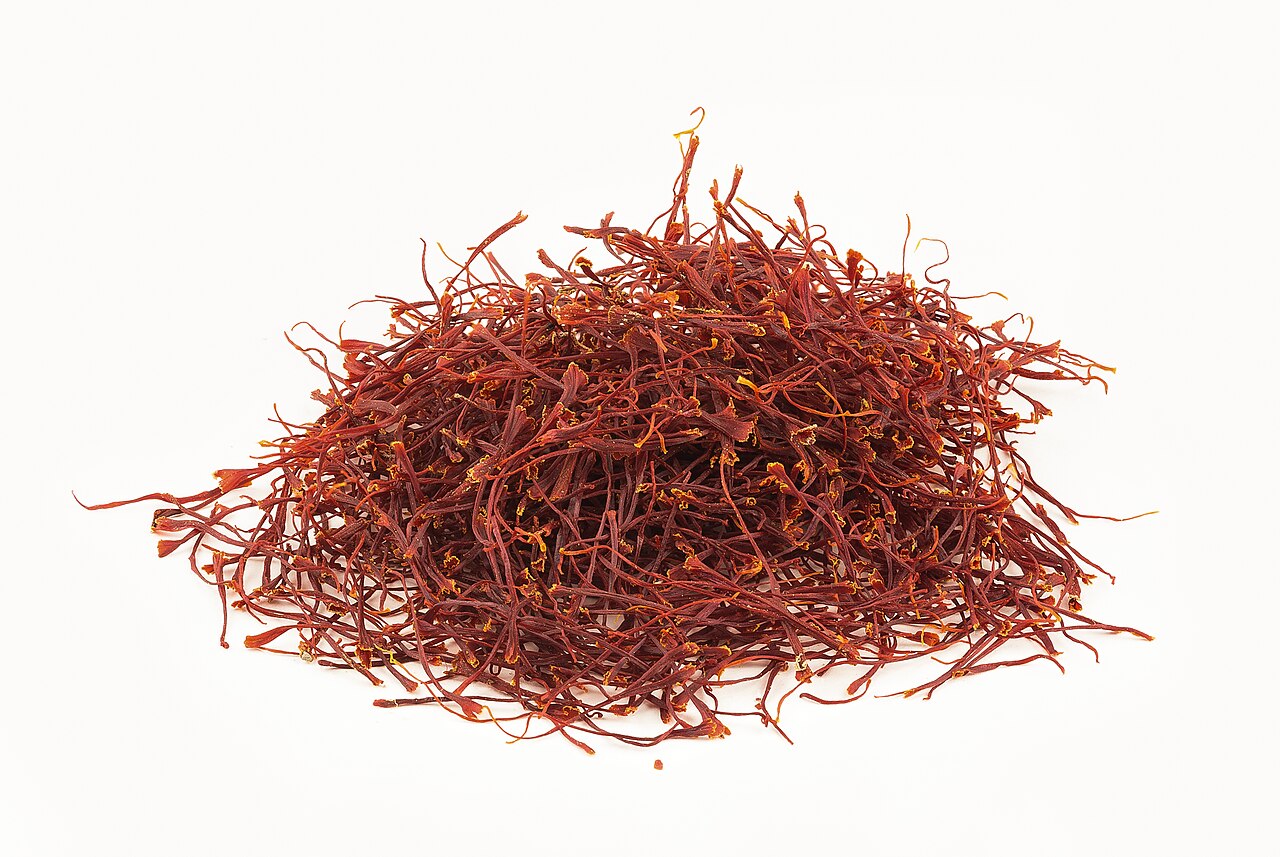
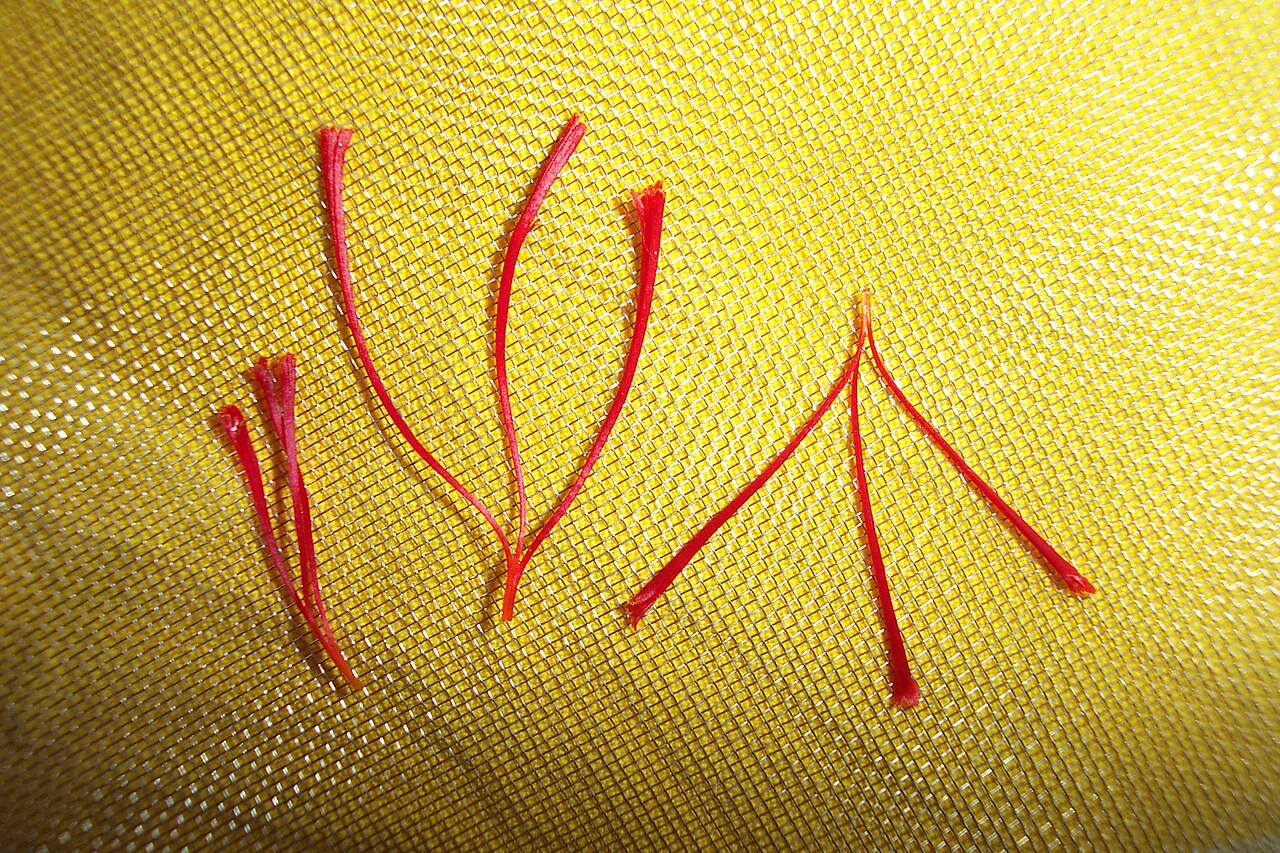
The publication adds a fresh human study to a small rheumatic-disease literature. It does not validate saffron foods or every commercial extract. Botanical standardization, crocin content and processing can change what a capsule delivers.
Symptoms improved in both groups
Pain severity and physical-activity scores improved in both saffron and placebo groups. The saffron group showed a greater reduction in interleukin-1 beta and decreased NSAID use over time. The abstract did not present a simple, decisive between-group pain advantage that would justify calling saffron an established analgesic.
Reduced medicine use can be important, but it needs careful measurement and interpretation. Participants may change rescue use for reasons beyond efficacy, and self-reported adherence can be inaccurate. A lower inflammatory marker is not automatically a patient-noticeable benefit.
The trial had limits that affect confidence
The authors noted a small, mostly female sample, substantial dropout in the control group and self-reported adherence. Differential dropout can disturb the balance created by randomization. Missing outcomes from people who leave a study can make the remaining groups look more different than the full randomized population.
A 2021 synthesis of saffron trials in rheumatic diseases found heterogeneity, concerns about bias and inadequate reporting of herbal standardization. Those problems make pooling difficult and prevent a confident direction-of-effect conclusion.
Other saffron studies do not answer the same question
Trials in rheumatoid arthritis and studies of isolated crocin examine different diagnoses or interventions. Rheumatoid arthritis is autoimmune, and crocin is one constituent rather than the whole saffron extract. Their findings can support biological research but should not be presented as direct replication of the 2026 osteoarthritis study.
Animal osteoarthritis experiments are even further from a consumer claim. They can identify pathways and plan doses, but they cannot establish human pain relief, long-term safety or interaction risk.

Cost and authenticity are practical evidence issues
Saffron is expensive and vulnerable to adulteration. A product needs verified identity and standardized content before a trial can be applied. Quality testing does not prove benefit, but poor identity makes the clinical evidence irrelevant. Blends create additional attribution uncertainty.
Saffron may interact with medicines or affect bleeding, blood pressure, mood or pregnancy-related safety. The exact product and health history should be reviewed professionally. Culinary use does not establish the safety of concentrated daily extracts.
How the 2026 result should be reported
The accurate headline is that saffron produced some favorable inflammatory and medicine-use signals in a limited trial while both groups improved clinically. It was not shown to rebuild cartilage or replace osteoarthritis care. Stronger claims would require larger independent trials with prespecified patient-important outcomes.
Future studies should report absolute between-group changes, adherence verification, withdrawals and adverse events in full. Until then, saffron remains a research candidate, and the keyword should be treated as a candidate rather than evidence of measured commercial demand.
The next study should separate symptom and mechanism questions
A larger trial should declare pain or physical function as its primary endpoint and treat cytokines as supportive mechanistic outcomes. It should verify extract composition, count returned tablets or use another adherence check, and analyze all randomized participants. Rescue NSAID use needs a prespecified measurement plan so that changing use can be interpreted alongside symptoms rather than as an isolated favorable finding.
Replication should also include a more representative mix of men and women and report osteoarthritis joint, severity and background care. Longer follow-up could show whether an apparent effect persists and whether adverse events accumulate. Until then, a lower interleukin value should not be used to promise that saffron is controlling the disease or protecting cartilage.
A consumer-facing summary should also distinguish statistical change within the saffron group from a significant difference between saffron and placebo. Those are not equivalent tests. If both groups improve, the between-group estimate determines whether the extract added benefit. Reporting confidence intervals and absolute changes would make the result easier to judge than phrases such as anti-inflammatory effect or reduced need for medicine.
Sources & further reading
This article provides educational information. Ask a qualified clinician or pharmacist about your symptoms, medical conditions, medicines and supplement interactions.