Selenium for rheumatoid arthritis: newer biomarkers do not erase older negative trials
A newer selenium trial found small biomarker signals, while older randomized studies found no clinical benefit in rheumatoid arthritis.

Selenium is essential, but randomized trials have not established it as rheumatoid-arthritis treatment, and excess intake can be harmful.
Essential does not mean extra is therapeutic
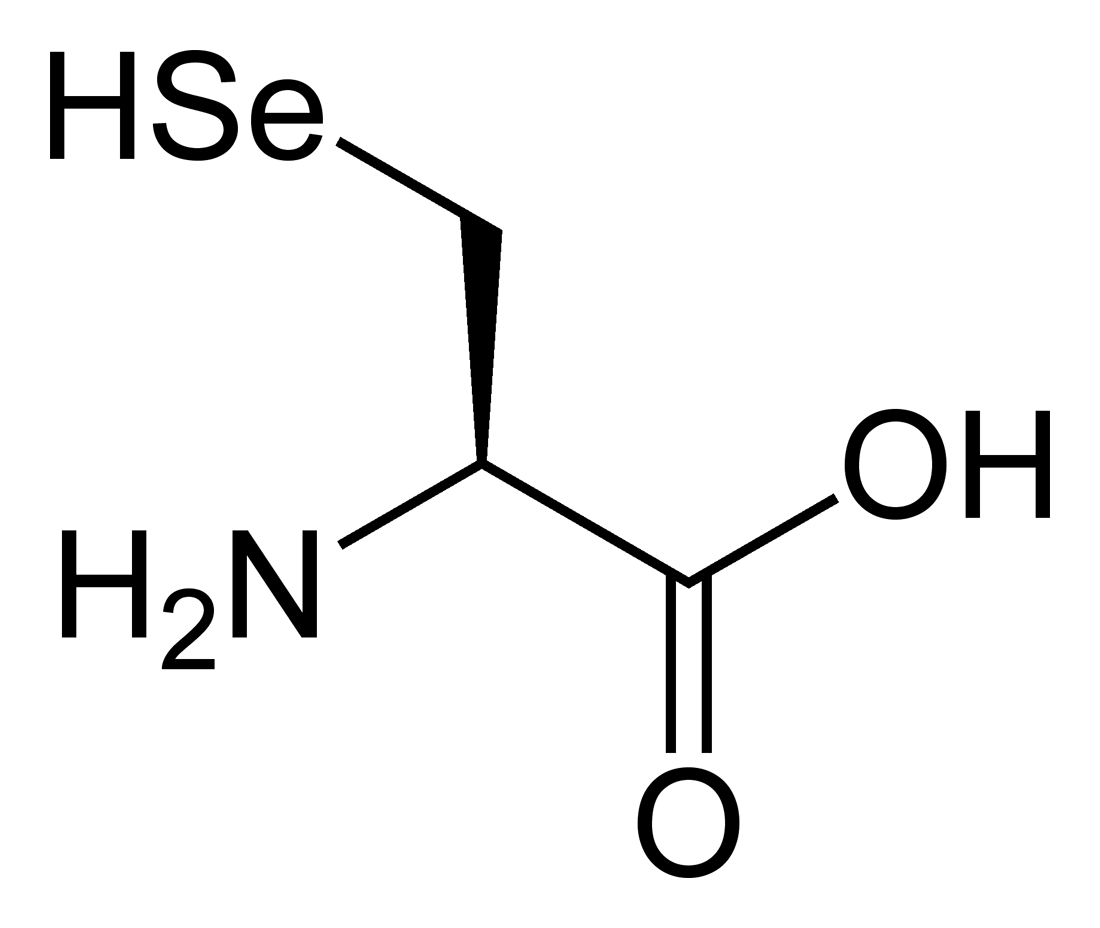
Selenium helps the body make proteins involved in antioxidant defense, so it sounds like a logical rheumatoid-arthritis supplement. The practical evidence is less tidy. A newer trial reported small changes in selected biomarkers, while older double-blind trials did not show clear clinical benefit.
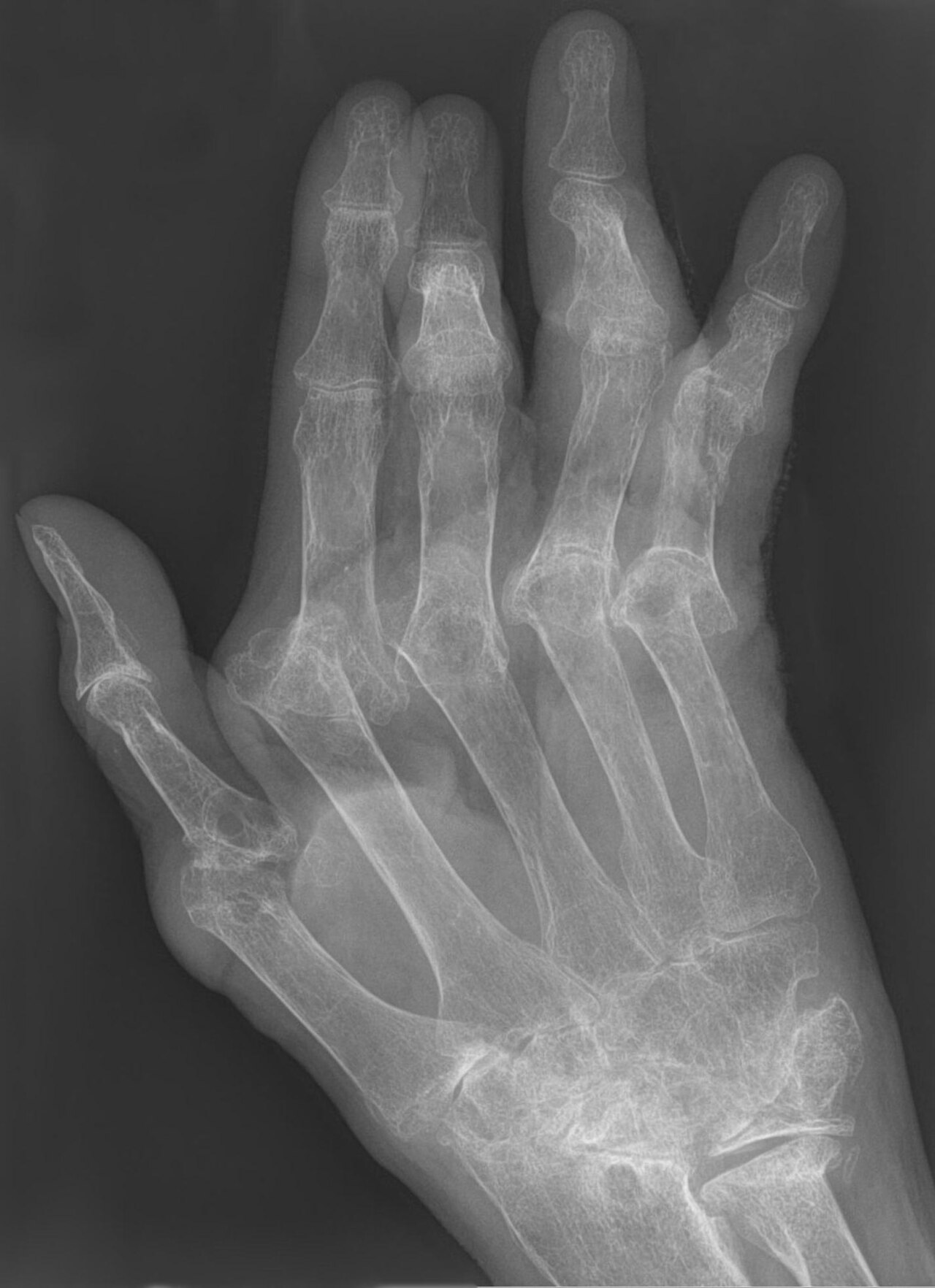
That distinction is useful because rheumatoid arthritis is an autoimmune disease that can damage joints and other organs. Correcting a true nutrient deficiency is reasonable care. Adding selenium above need is a different intervention and should prove that patients feel or function better.
The newer trial did not beat placebo on disease activity
A randomized double-blind trial published in 2024 assigned 59 people with rheumatoid arthritis to 200 micrograms of selenium or placebo daily for 12 weeks. Disease-activity scores fell within both groups, but between-group comparisons did not show a significant advantage for selenium.
CRP fell within the selenium group, yet the adjusted difference versus placebo did not remain significant. The authors described small potentially relevant changes in ESR and anti-CCP. These are signals for further study, not proof that selenium controls symptoms or prevents joint damage.
Older controlled trials found no antirheumatic effect
A 2001 multicenter double-blind study gave 55 people selenium-enriched yeast at 200 micrograms daily or placebo for 90 days. Pain, swollen joints, tender joints, and morning stiffness improved over time in both groups, but researchers could not identify a clinical benefit from selenium.
An earlier six-month double-blind study in 40 people raised blood selenium substantially with supplementation but found no significant antirheumatic effect. Together, these trials show why a changed nutrient level or antioxidant marker cannot substitute for a clear patient benefit.
Biomarkers should not displace disease control
CRP, ESR, and anti-CCP can help characterize inflammation or diagnosis, but they do not tell the whole story. Rheumatology care also follows symptoms, joint examination, function, imaging when needed, and treatment tolerance. A supplement-induced marker shift does not establish protection from erosions.
Disease-modifying antirheumatic drugs are used to control the immune process and reduce damage risk. Selenium has not been shown to replace them. A flare or medication concern belongs in a rheumatology conversation, not in a self-directed supplement swap.
The safety margin deserves attention
The NIH Office of Dietary Supplements notes that chronic excess can cause hair loss, brittle nails, garlic breath, metallic taste, rash, nausea, diarrhea, fatigue, and nervous-system problems. The U.S. adult upper limit is 400 micrograms daily from all sources, while European authorities use a lower adult limit.
A 200-microgram stand-alone pill can combine with a multivitamin and selenium-rich foods. Brazil nuts vary widely and can contribute a large amount. Add the whole routine before deciding that a trial dose is automatically safe for daily long-term use.
Use testing and treatment goals, not antioxidant language
If deficiency is suspected, a clinician can consider diet, medical history, and appropriate testing. If rheumatoid arthritis is active, the priority is a treatment plan that controls symptoms and damage risk. Extra selenium should not be added simply because oxidative stress appears in a product explanation.
The evidence supports a restrained conclusion: one recent biomarker-focused trial and multiple older trials without clear clinical benefit. Selenium remains an essential nutrient with a narrow safety story, not a proven joint-support therapy.
Ask what problem the supplement is meant to solve
If the concern is low selenium intake, the answer begins with diet and nutritional assessment. If the concern is active rheumatoid arthritis, the answer begins with disease activity and treatment. Combining those questions can make a supplement appear more relevant than the trials show.
Write the goal in one sentence before buying anything. “Correct a confirmed deficiency” can be checked. “Reduce swollen joints” requires patient outcomes that beat placebo. “Protect cartilage” would need structural evidence. This simple step keeps a necessary nutrient from becoming an all-purpose explanation for autoimmune joint disease.
Review the goal again after the next rheumatology visit, when disease activity and medicine changes are clearer.
Sources & further reading
- Effects of Selenium Supplementation on the Indices of Disease Activity, Inflammation and Oxidative Stress in Patients with Rheumatoid Arthritis: a Randomized Clinical Trial ↗
- Selenium supplementation in rheumatoid arthritis investigated in a double blind, placebo-controlled trial ↗
- Selenium treatment in rheumatoid arthritis ↗
- NIH Office of Dietary Supplements: Selenium Fact Sheet for Health Professionals ↗