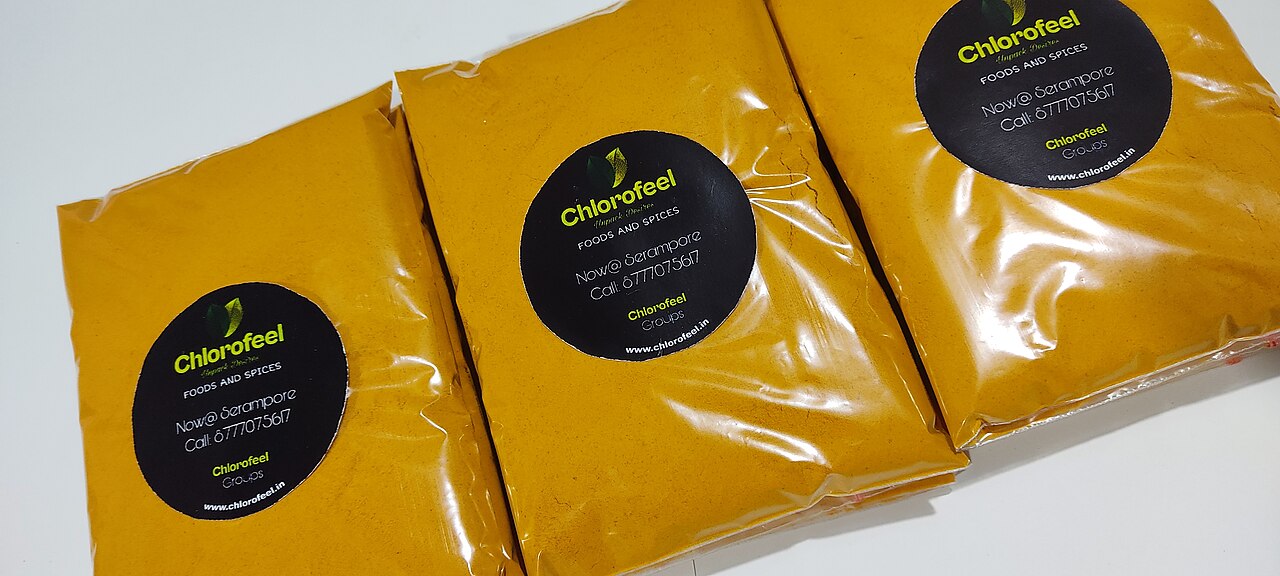
Turmeric for joint discomfort: absorption claims deserve a safety question too
Higher absorption is a product feature to assess, not an automatic guarantee of greater benefit or lower risk.
Curcumin research is promising but uncertain, and enhanced absorption can change the safety question as well as exposure.
The strongest-sounding feature is not the whole answer
Turmeric supplements frequently emphasize absorption. An advertisement may suggest that a preparation delivers more curcumin to the body and therefore must be the better choice for joints. That conclusion moves too quickly. More exposure is a pharmacologic property; useful benefit and acceptable safety still need to be demonstrated.
NCCIH describes initial positive evidence for some osteoarthritis outcomes while emphasizing the need for higher-quality research. It also notes substantial differences between formulations. Those two points belong together: it is difficult to compare products fairly when both the preparation and the evidence vary. An absorption multiplier alone does not resolve that difficulty.

Turmeric and curcumin are related, not identical labels
Turmeric is a plant product, while curcumin is one of its important compounds. Commercial supplements may contain different preparations and additional substances intended to change absorption. A study of one preparation should not be assumed to establish an equivalent result for every product using either name.
When reading a citation, identify the actual intervention, not just the familiar headline ingredient. Was it a particular extract, a combination, or a different form? Were the participants being assessed for knee osteoarthritis or another condition? These details help determine whether a seller is reporting relevant evidence or borrowing the reputation of a broader research topic.
Measure a benefit people can notice
A joint supplement might be studied for pain, stiffness, physical function, or a biological marker. These outcomes answer different questions. A change in a marker associated with inflammation does not by itself establish that someone can walk more comfortably, and a change in pain does not prove cartilage has regrown.
Look for the comparison with the control group as well as improvement from the starting point. Symptoms can fluctuate over time, so a before-and-after result alone is difficult to interpret. The size of any between-group difference and the uncertainty around it matter more than a dramatic description of how participants improved.
Greater exposure can mean different risks
NCCIH reports liver injury associated with some turmeric or curcumin products, particularly formulations with increased bioavailability. NIH LiverTox also reviews cases linked to these supplements. This does not tell us that every turmeric product has the same risk, but it directly challenges the assumption that better absorption is an unqualified advantage.
Culinary familiarity does not establish the safety of a concentrated capsule. Food use and supplement use can involve different amounts and preparations. A person considering a product should discuss the exact label with a qualified professional, especially when medicines or existing health conditions are involved. A stronger formulation should invite more questions, not fewer.
Keep the uncertainty visible
An early favorable study can justify further investigation without justifying a universal recommendation. Differences in formulations, participants, study length, and outcome measures can make the overall evidence difficult to summarize. A confident ranking of commercial products may conceal that uncertainty rather than resolve it.
The fair question is whether a specific intervention has sufficiently reliable evidence for a specific purpose. If a product instead relies on the number of studies mentioning curcumin in any context, the evidence may look more directly applicable than it is. Research volume is not the same as a consistent answer about the bottle and the reader's concern.
Use absorption language as the start of a conversation
Ask what the enhanced formulation changes, which human study supports its joint claim, and what safety information exists for the same preparation. Bring other supplements and medicines into the discussion so the whole exposure can be reviewed. Do not infer an appropriate personal amount from a marketing comparison.
Turmeric research deserves careful attention because there are both potentially useful findings and meaningful limits. A balanced assessment can acknowledge interest without treating a capsule as established osteoarthritis care. The most relevant result is a demonstrated clinical benefit with an acceptable risk profile, not simply an ability to deliver more of a compound into circulation.
Sources & further reading
This article provides educational information. Ask a qualified clinician or pharmacist about your symptoms, medical conditions, medicines and supplement interactions.