Beetroot and walking with peripheral artery disease: promising, very small trials
Beetroot-juice studies in peripheral artery disease are small and mixed. Learn why nitrate dose, walking outcomes, and joint pain must stay separate.
Dietary-nitrate trials in peripheral artery disease are preliminary and use measured nitrate-rich juice, not unspecified beet powders.
When walking hurts, the cause changes the plan
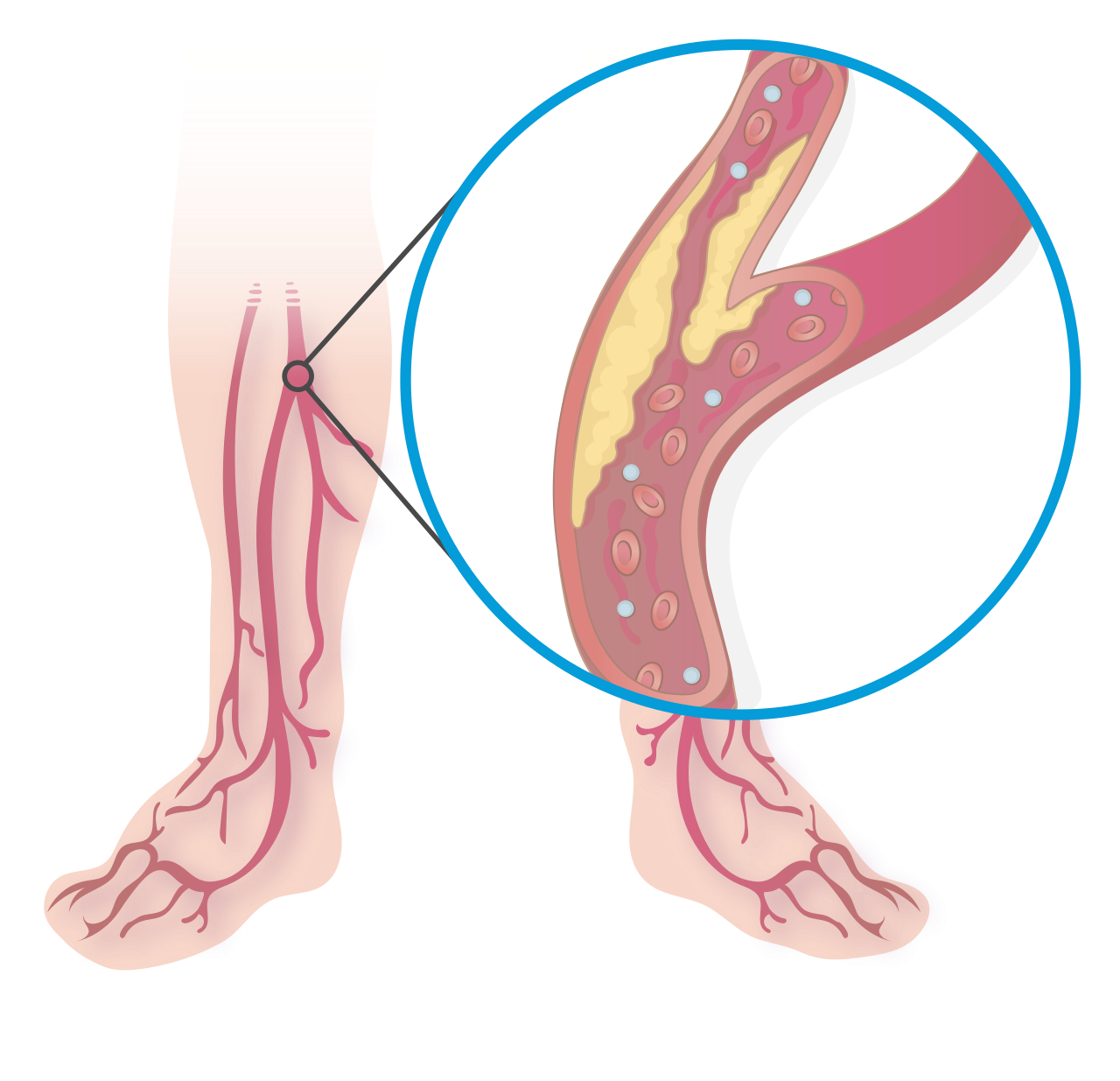
Leg pain during walking is not always a joint problem. Peripheral artery disease, or PAD, reduces blood flow to the legs and can cause exertional calf discomfort called claudication. That vascular difference is why beetroot research here belongs in heart and circulation evidence, not arthritis treatment.
Beetroot can provide dietary nitrate, which the body can convert through nitrite to nitric oxide. Researchers test whether this pathway changes blood pressure, vessel function, muscle oxygen use, or walking capacity. Each outcome needs its own result.
A 2021 crossover trial found several favorable changes
One randomized crossover study enrolled only 11 people with PAD. A body-mass-adjusted nitrate dose delivered as beetroot juice increased nitrate and nitrite, improved vessel-dilation measures, lowered systolic blood pressure, and increased maximal walking distance and time compared with placebo.
The size of the walking changes is interesting, but eleven participants cannot establish a reliable treatment effect for the wider PAD population. A crossover design can improve efficiency because each person receives both interventions, yet it does not overcome the limits of a tiny sample and short exposure.
A 2024 trial did not improve peak walking time
Another double-blind crossover study also enrolled 11 people. Participants used nitrate-rich or nitrate-depleted beetroot juice for four to six days. Peak treadmill walking time and claudication-onset time did not differ significantly, although the blood-pressure response during peak walking favored nitrate-rich juice.
That mixed result is valuable. It shows that a vascular measure can move while the main walking outcome does not. A 2025 systematic review found only five small trials totaling 64 participants, with differing doses, durations, and results. The evidence remains preliminary.
Beet weight is not nitrate dose
The PAD trials used measured nitrate-rich juice and often nitrate-depleted juice as a careful placebo. A label that lists beet powder in milligrams does not reveal how much nitrate it supplies. Processing, storage, plant source, and testing can all affect that amount.
This is the central comparison for capsules and powders. Without quantified nitrate, there is no reliable dose match to the trials. A product can offer convenient beetroot while still leaving the active research constituent unknown.
A product reference belongs in the circulation lane
VitaVein is a once-daily beetroot capsule positioned primarily for heart health and circulation. Its 1,300-milligram beetroot figure is not a quantified nitrate dose, and the finished product was not tested in the PAD trials. The casual comparison is therefore format and category, not a promised walking result.
Anyone considering beetroot alongside blood-pressure medicine, nitrate medicine, kidney care, or a PAD treatment plan should ask a clinician or pharmacist about fit. PAD also signals elevated cardiovascular risk, so supplement shopping should not delay evaluation, smoking cessation support, exercise therapy, or prescribed treatment.
Use the trials to ask better questions
A useful label check asks for nitrate content per serving, batch testing, total ingredients, and whether the product resembles the nitrate-rich juice in the study. Then decide whether the goal is blood pressure, walking time, or general nutrition. Those are not interchangeable benefits.
Beetroot research in PAD is promising enough to continue and too small to carry a treatment claim. If walking repeatedly causes calf pain that stops with rest, seek medical assessment. The most important benefit may come from identifying a vascular problem early.
Measure walking in a way that can be repeated
For someone already diagnosed with stable PAD, a clinician may recommend supervised or structured walking. If a beetroot product is added, keep the walking plan stable and record the same route, pace, time to symptoms, and total duration. Weather and hills can otherwise create a false improvement.
Home tracking is not a substitute for vascular testing, and it cannot establish that nitrate caused a change. It can, however, keep the experiment tied to the outcome the person values. Stop and seek urgent care for sudden leg pain, coldness, color change, weakness, chest pain, or shortness of breath.
Sources & further reading
- Body mass-normalized moderate dose of dietary nitrate intake improves endothelial function and walking capacity in patients with peripheral artery disease ↗
- Effects of short-term dietary nitrate supplementation on exercise and coronary blood flow responses in patients with peripheral artery disease ↗
- Efficacy of Beetroot Juice in Patients With Peripheral Artery Disease: A Systematic Review ↗