CoQ10 for statin muscle pain: why reviews reach conflicting answers
CoQ10 reviews disagree about statin-associated muscle pain, while a rigorous confirmation trial found no benefit in verified cases.
CoQ10 evidence for statin muscle symptoms is inconsistent, and symptoms should be assessed rather than prompting unsupervised statin discontinuation.
The mechanism is appealing but not decisive
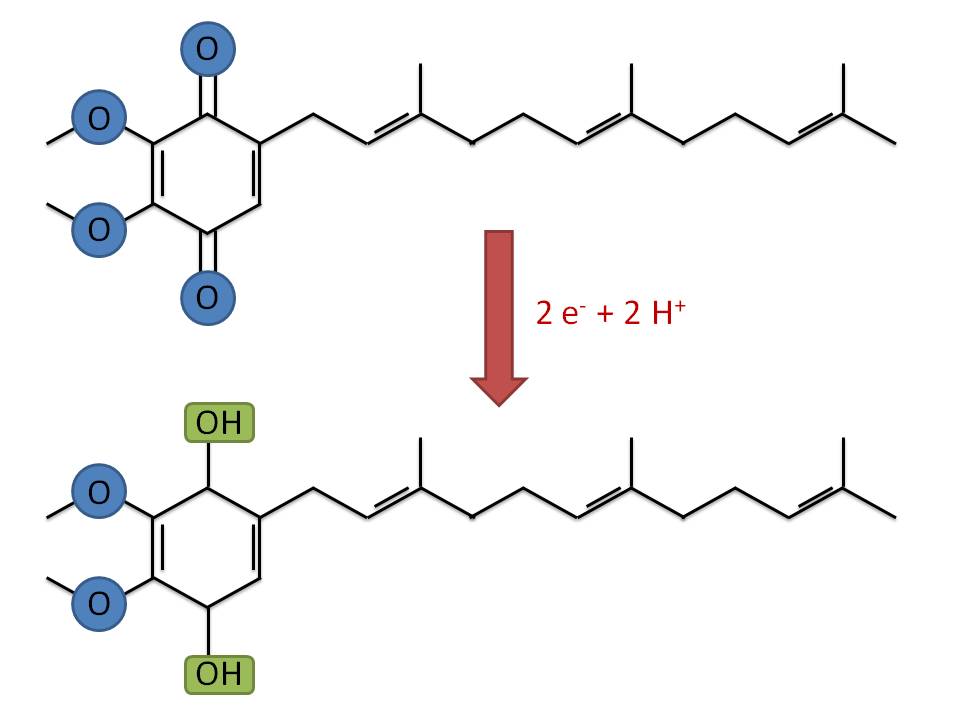
Statins reduce cardiovascular risk and can also lower circulating coenzyme Q10. That observation created a plausible supplement hypothesis: restoring CoQ10 might prevent or relieve muscle symptoms. A biochemical change, however, does not prove that it causes pain or that supplementation reverses the clinical problem.
Muscle aches are common for many reasons. The timing of symptoms, exercise, thyroid status, other medicines and expectations can complicate attribution. Stopping a statin without medical review can increase cardiovascular risk, so a supplement purchase should not substitute for assessment.
A confirmation trial found that many reported cases were not statin-specific
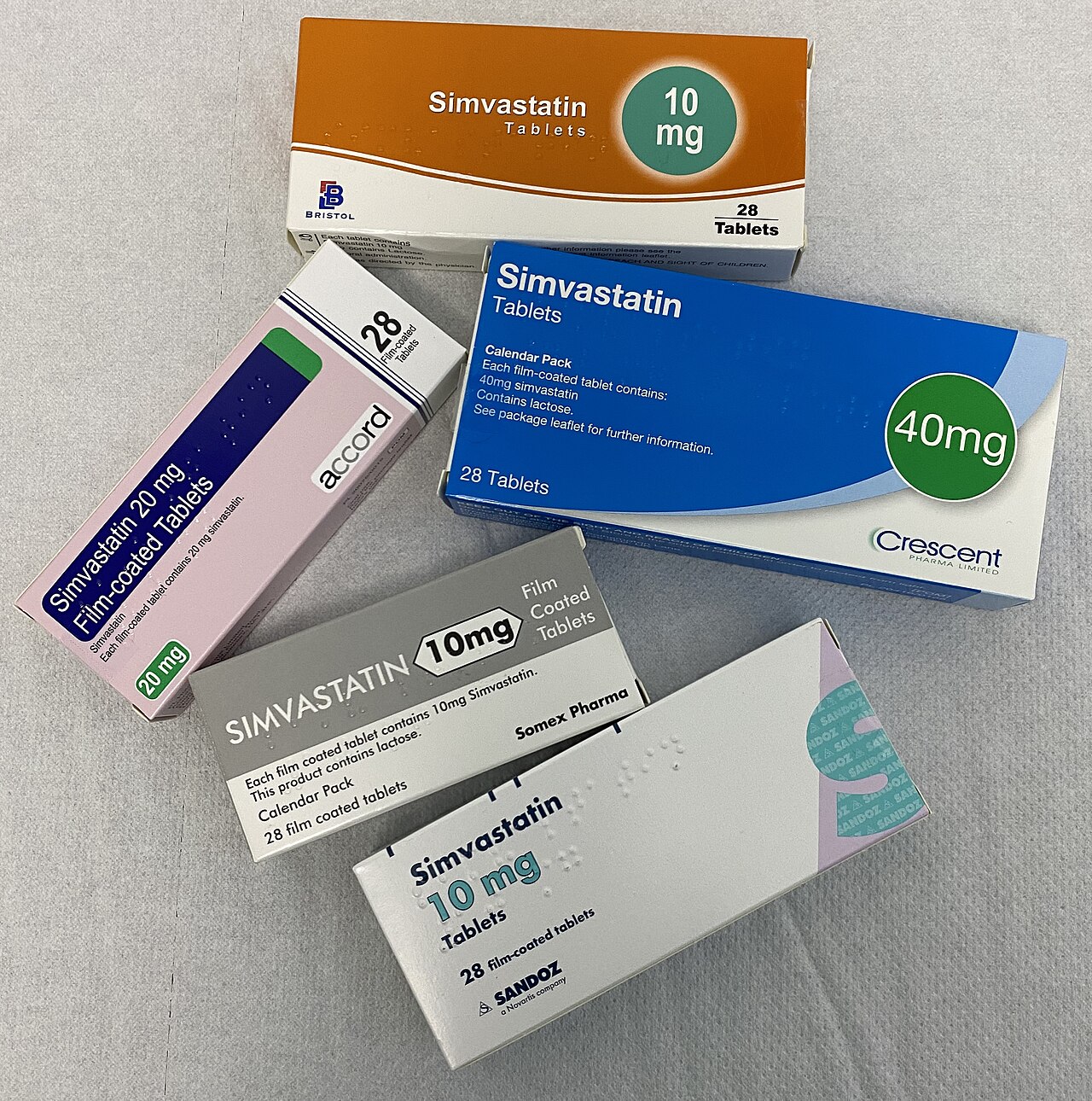
A rigorous study first exposed 120 people with prior statin myalgia to simvastatin and placebo in a blinded crossover phase. Only 41 developed pain with simvastatin but not placebo. Those confirmed participants then received 600 milligrams of ubiquinol or placebo with simvastatin.
CoQ10 raised blood CoQ10 substantially but did not reduce pain severity, pain interference, weakness or aerobic-performance effects. This design is valuable because it tested the supplement in people whose symptoms were reproduced under blinded statin exposure rather than relying only on a prior complaint.
Meta-analyses have reached opposing conclusions
A 2020 systematic review of seven trials and 321 participants found no benefit for pain or statin adherence. An updated 2018 meta-analysis reported improvements in several muscle symptoms. A 2025 meta-analysis of seven trials found a small average pain reduction, with four favorable and three negative studies.
The disagreement reflects small samples, different CoQ10 forms and amounts, varying definitions of statin-associated symptoms and short follow-up. Pooling does not remove those differences. A statistically positive average with a confidence interval near no effect should not be converted into certainty for every statin user.
Diagnosis and background treatment matter
A clinician may adjust the statin amount, timing or type; check for interactions; evaluate other causes; or consider nonstatin options. Those decisions depend on cardiovascular risk and should not be displaced by a trial of CoQ10. Severe weakness, dark urine or systemic illness requires prompt care.
CoQ10 products vary between ubiquinone and ubiquinol, amount and formulation. A trial of one product does not prove another will perform similarly. Supplements can also interact with medicines, including warfarin, making a complete review appropriate.

Use the uncertainty honestly
The evidence does not support promising that CoQ10 will prevent or cure statin muscle symptoms. It also leaves open the possibility of a modest effect in some settings. A supervised, time-limited trial may be discussed after the symptom and statin plan are evaluated, but a clear target and stop rule are essential.
The larger priority is maintaining an effective cardiovascular-risk strategy that the patient can tolerate. Reviews should name their search date and trial set because newer pooled results have changed the headline without eliminating inconsistency. A supplement should help a care plan, not become a reason to abandon a proven medication without guidance.
A personal trial still needs safeguards
If CoQ10 is tried after clinical review, baseline pain location, severity, function and statin regimen should be recorded. Several changes at once—switching statins, reducing the dose and adding a supplement—make later improvement difficult to interpret. A scheduled reassessment can determine whether the intended benefit occurred and whether cardiovascular treatment remains adequate.
The absence of improvement should never prompt unsupervised supplement escalation or permanent statin cessation. Conversely, a better week after starting CoQ10 does not prove causation. Rechallenge or structured medicine adjustments may be more informative under clinician guidance. The goal is not to defend one product or drug, but to achieve tolerable, evidence-based risk reduction while investigating the symptom responsibly. Trials should distinguish pain from objective weakness and report creatine kinase only in context. They should also measure whether any symptom improvement actually helps people continue effective lipid-lowering therapy, which is a patient-important outcome rather than a laboratory endpoint. That distinction matters. Patient priorities remain central.
Sources & further reading
This article provides educational information. Ask a qualified clinician or pharmacist about your symptoms, medical conditions, medicines and supplement interactions.