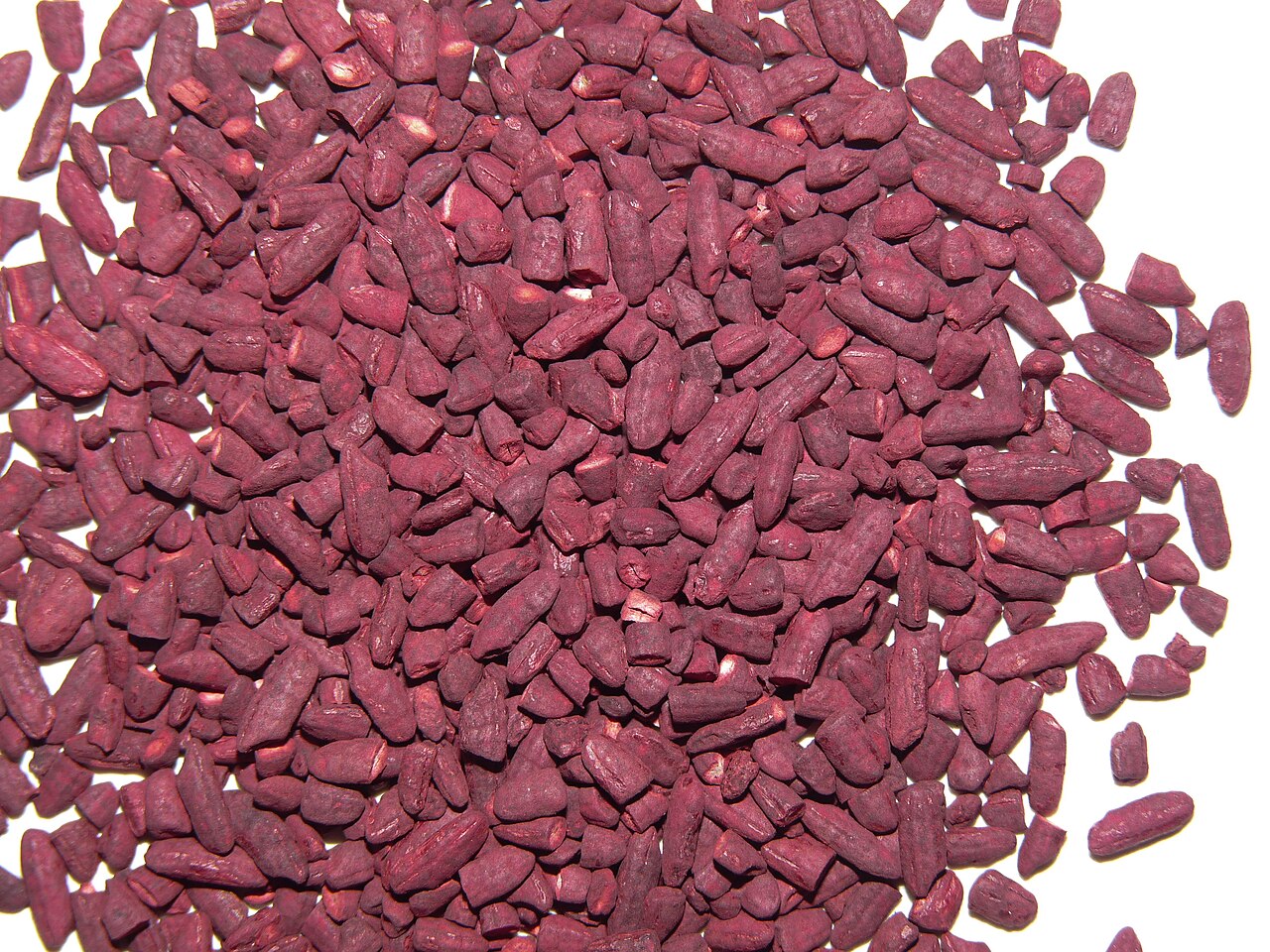
Red yeast rice and muscle safety: “natural statin” does not mean risk-free
Red-yeast-rice trials and safety reviews conflict, while variable monacolin K and citrinin contamination complicate real-world use.
Red yeast rice can deliver a statin-like compound and may cause similar muscle, liver, kidney and interaction risks, with additional quality uncertainty.
Monacolin K is chemically a statin
Some red-yeast-rice products contain monacolin K, which is chemically identical to lovastatin. Describing the product as a natural alternative does not remove statin pharmacology. Products with enough monacolin K to lower cholesterol may also produce muscle, liver and interaction risks.
The amount varies across products and may be undisclosed. A consumer therefore may not know whether a capsule delivers little active compound or a drug-like exposure. That variability undermines both effectiveness predictions and safety planning.
A small pilot reported less fatigue than simvastatin
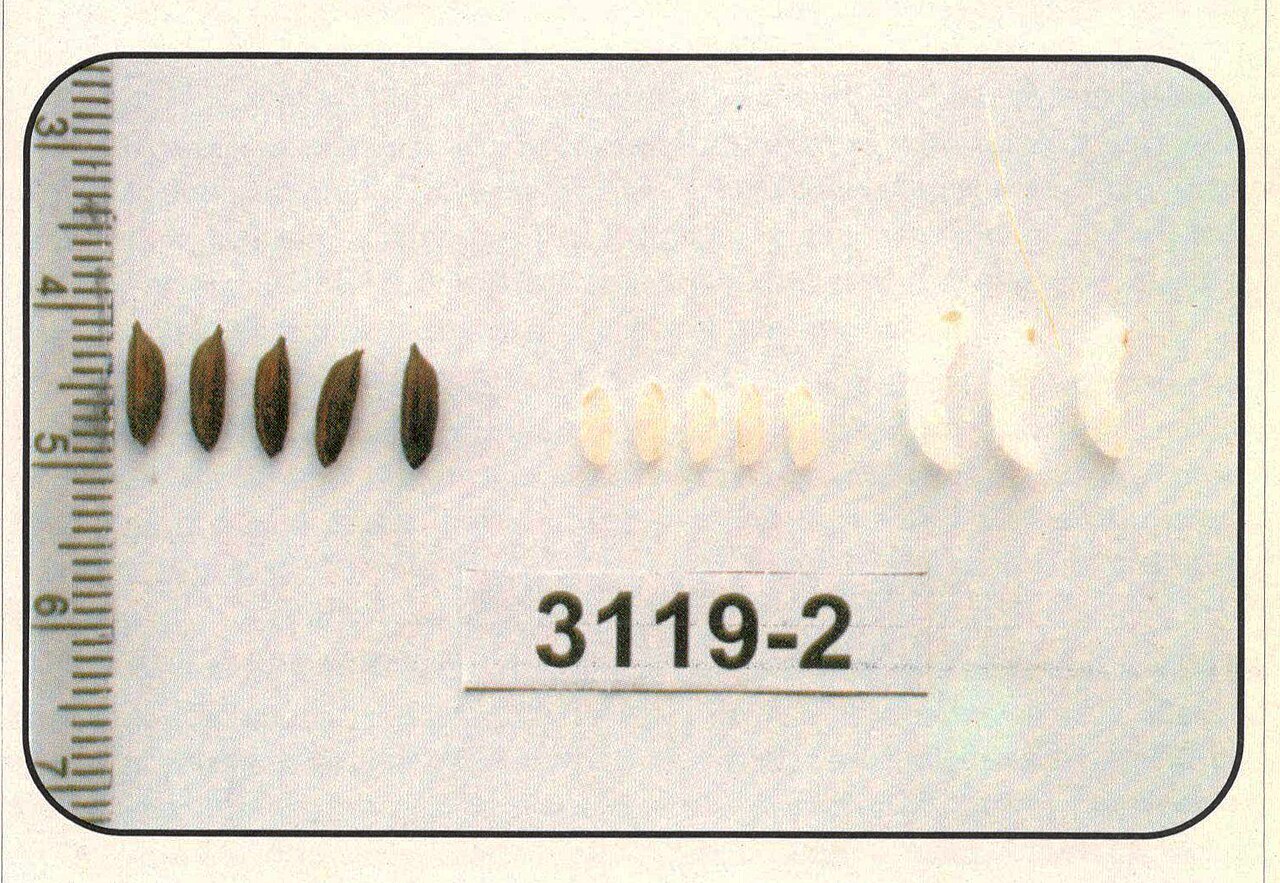
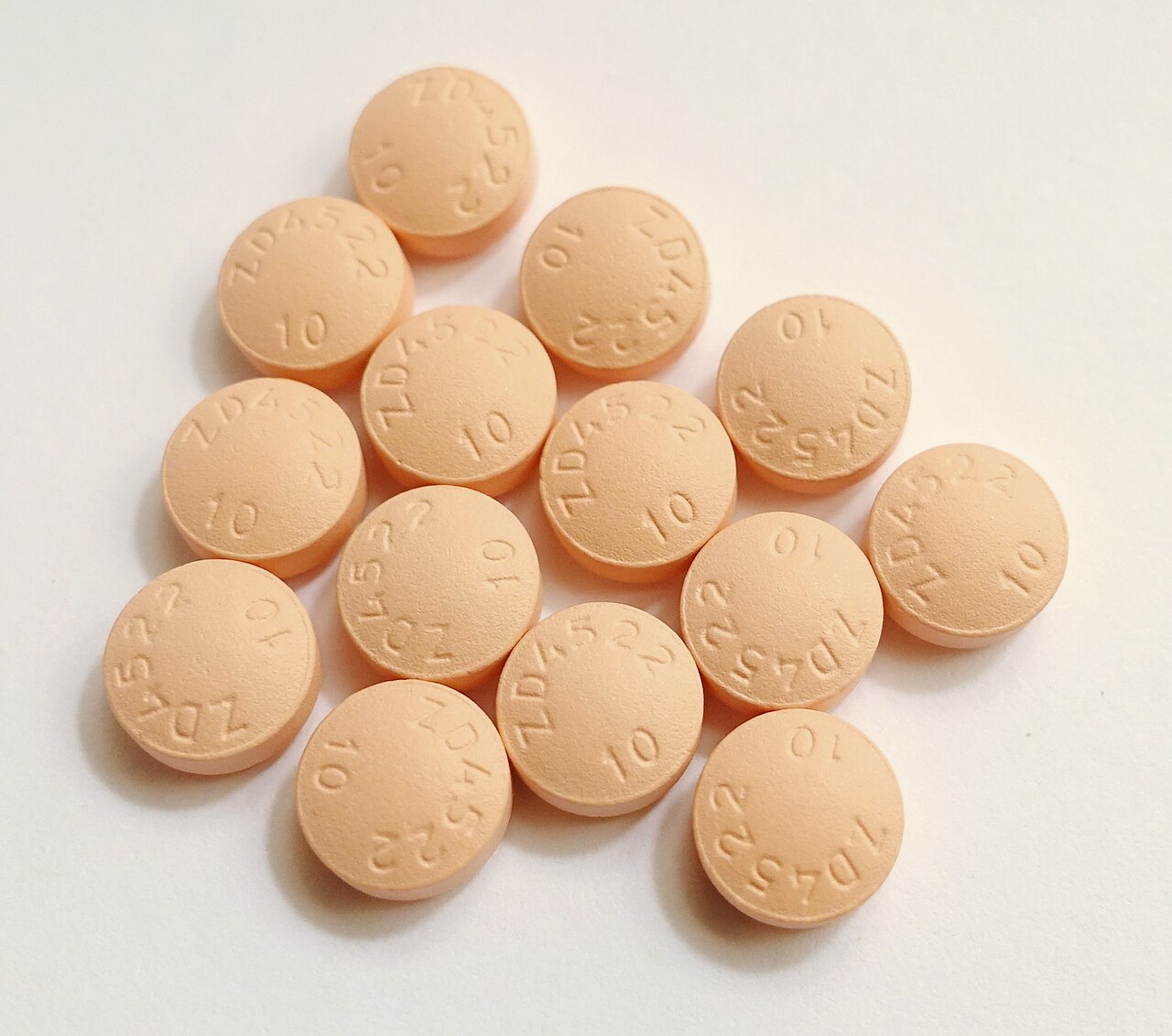
A four-week randomized pilot assigned 60 people with dyslipidemia to red yeast rice or simvastatin. Fatigue increased with simvastatin but not red yeast rice, while lipid changes were similar. The study was small, single-center and brief, and it did not include placebo.
The result cannot prove red yeast rice is generally safer or equivalent for cardiovascular prevention. Different monacolin exposure and product constituents may explain the comparison. Clinical outcomes such as heart attacks were not tested.
Trial meta-analysis looked reassuring
A 2019 meta-analysis pooled 53 randomized trials with more than 8,500 participants and found no increased musculoskeletal-disorder risk with red yeast rice. Serious and nonmusculoskeletal adverse events were not higher in the supplement groups.
Randomized trials may be too short or selective to detect rare harms, and studied products can be more standardized than retail bottles. Reassuring trial averages do not guarantee safety for an unknown formulation or a person with interacting medicines.
Regulatory safety reviews remain concerned
NCCIH notes that red yeast rice with meaningful monacolin K can cause the same muscle, kidney and liver damage and interactions as statins. A 2025 European safety opinion concluded that severe musculoskeletal and liver events could occur at intakes as low as three milligrams daily and that no universally safe level was established.
These conclusions are not necessarily contradicted by trial averages. Rare severe events and uncertainty about retail exposure can coexist with reasonable short-term tolerability in selected participants.
Citrinin adds a separate kidney risk
Some red-yeast-rice products contain citrinin, a contaminant that can damage kidneys. NCCIH cites testing in which many products exceeded European limits, including products labeled citrinin-free. Monacolin standardization does not solve contamination unless both are tested.
Combining red yeast rice with a prescription statin, interacting drugs or grapefruit-related exposures may increase risk. New muscle pain, weakness or dark urine requires medical attention rather than adding CoQ10 and continuing blindly.
A supplement cannot replace cardiovascular planning
Cholesterol management depends on absolute risk, evidence for clinical outcomes and a tolerable regimen. Red yeast rice may lower LDL, but product variability and limited outcome evidence make it different from a prescribed, monitored statin.
Anyone considering it should discuss proven options and obtain a product with credible monacolin and citrinin testing. The accurate message is not “statin without side effects.” It is an inconsistent source of a statin-like compound with extra quality-control uncertainty.
Label transparency is central to the decision
A red-yeast-rice label may list total fermented-rice weight while omitting monacolin K. Two bottles with the same serving size can therefore deliver very different pharmacologic exposure. Independent testing should quantify monacolins and citrinin, but even a tested batch may not guarantee that later lots match. This variability makes dose-response advice unreliable.
The absence of a prescription does not remove the need for baseline risk assessment or follow-up. Liver symptoms, unexplained muscle pain and interacting medicines deserve the same seriousness as with statin therapy. Consumers should also understand that avoiding a prescribed statin while taking unknown monacolin K does not avoid statin biology; it replaces a standardized drug with less predictable exposure and weaker cardiovascular-outcome evidence.
A product may also change from batch to batch, so a tolerable experience with one bottle does not guarantee the next. Clinicians need the brand, lot information and concurrent medicines when evaluating an adverse event. Reporting systems can identify signals, but underreporting is common and cannot establish an incidence rate. Trial data, analytical testing and post-market reports each answer different safety questions.
Sources & further reading
This article provides educational information. Ask a qualified clinician or pharmacist about your symptoms, medical conditions, medicines and supplement interactions.