Magnesium and testosterone: an exercise study cannot prove a daily booster
Magnesium research includes one small exercise study and observational links. Learn why workout hormone changes do not prove a lasting testosterone boost.
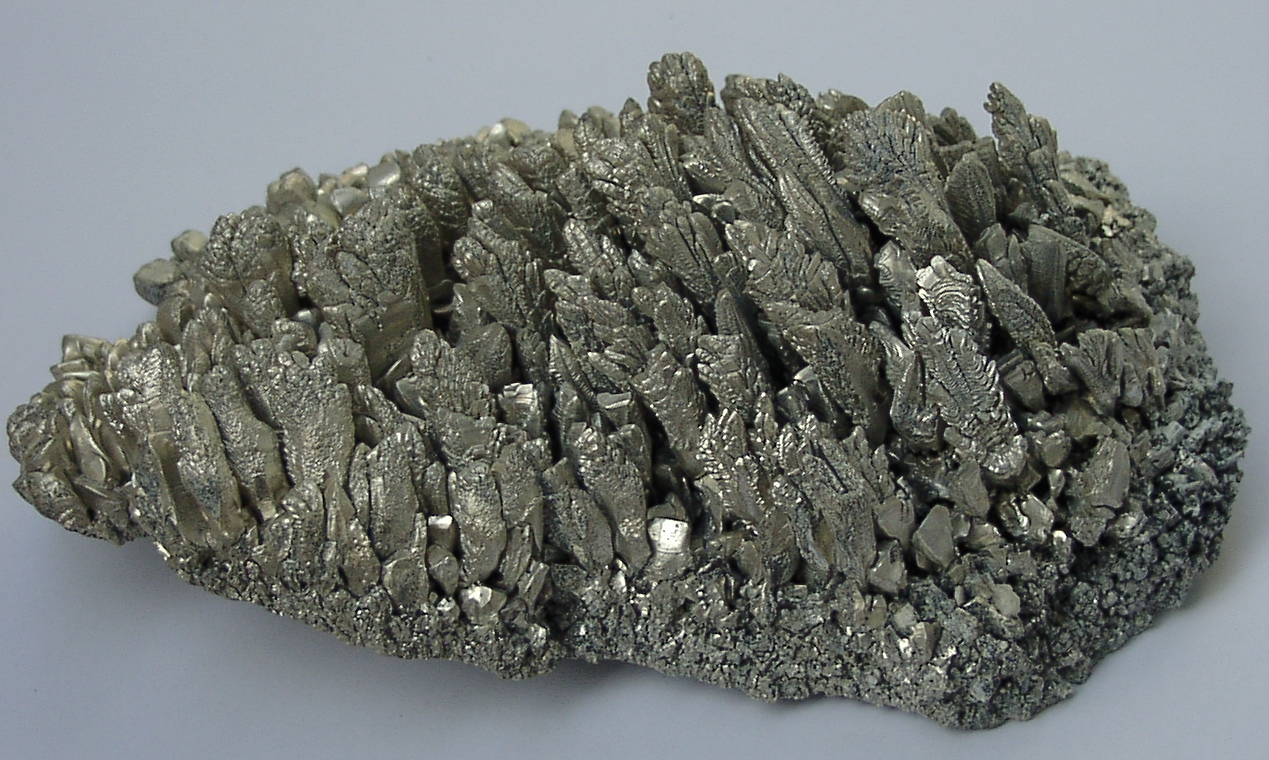
Magnesium is essential, but a small exercise study and observational associations do not show that supplements reliably raise resting testosterone in magnesium-replete men.
An essential mineral can still be oversold
Magnesium supports normal muscle, nerve and enzyme function. That established role makes it easy for marketing to add a second claim: a magnesium supplement will raise testosterone. The human evidence is much narrower, with a small exercise study and observational associations doing most of the work.
The guide to testosterone therapy and tendon injuries helps separate categories. Prescription hormone exposure, correcting a nutrient shortage and taking a retail booster are different interventions. Evidence should not pass from one to another without a direct test.
The exercise study measured a short, specific situation
A controlled study gave magnesium sulfate at 10 milligrams per kilogram daily for four weeks to sedentary men and tae kwon do athletes. Researchers measured testosterone at rest and after an exhaustion test. Testosterone values rose with exercise, and supplemented groups showed higher values in the study’s comparisons.
The study was small and did not establish that an ordinary retail dose produces a durable increase in morning resting testosterone. An exhaustion-test response is not the same outcome as treating confirmed hypogonadism, improving symptoms or changing long-term hormone status.
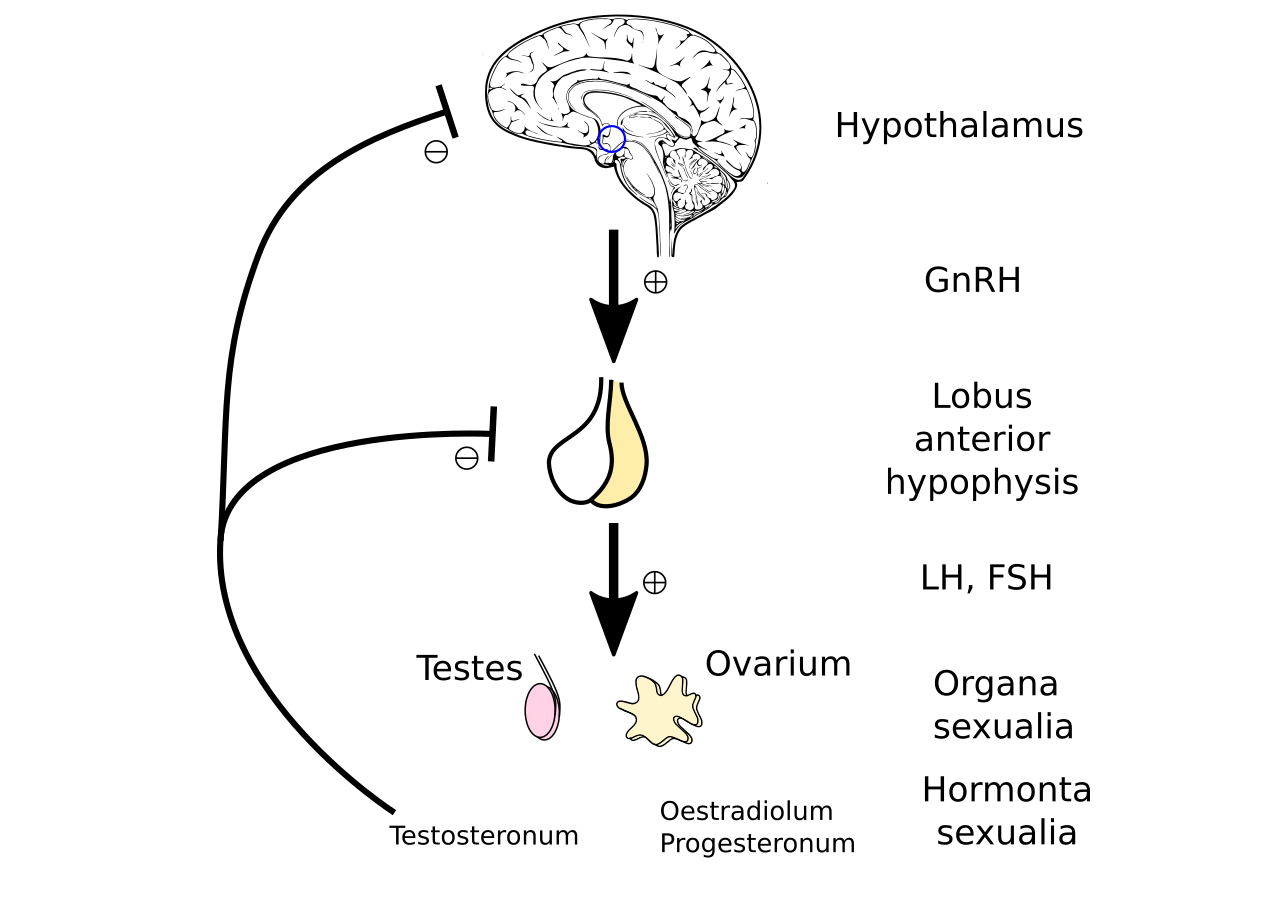
Observational studies cannot establish the direction
Studies of older men have found that lower serum magnesium is associated with lower testosterone or other metabolic problems. Those results can support further research, but they cannot show whether low magnesium contributes to the hormone pattern, illness lowers both measures, or another factor explains the association.
The magnesium leg-cramp trial offers a useful parallel: an essential mineral can have an established nutritional role without proving every treatment claim attached to it. Correlation is not a dosing instruction.
The label needs an elemental-magnesium check
Supplement panels list elemental magnesium, while the front may emphasize a larger compound weight. Forms also differ in gastrointestinal tolerance. The guide to reviewing several products at once shows why every overlapping mineral, vitamin and botanical amount should be counted before choosing another source.
The NIH adult upper limit for magnesium from supplements and medications is 350 milligrams daily; it does not include magnesium naturally present in food. Higher supplemental intake commonly causes diarrhea and cramping, and severe kidney impairment can increase the risk of dangerous accumulation.
How Max T fits the evidence
Max T is a testosterone-support dietary supplement whose current panel includes magnesium along with zinc, vitamin B6 and botanicals. It is not testosterone replacement therapy, and the finished combination was not the intervention in the magnesium exercise study. Ingredient relevance does not establish a product-level hormone result.
The Max T review provides the complete product context for its formula and purchase details. Men with persistent symptoms of possible low testosterone need appropriately timed laboratory testing and clinical assessment rather than a supplement response being used as diagnosis.
Use magnesium for a defined reason
Food intake, medicines, gastrointestinal conditions and laboratory context can help determine whether inadequate magnesium is plausible. When supplementation is advised, choose a tolerable dose and a review point. Do not increase the amount simply to imitate an exercise study with a different form and weight-based exposure.
The evidence supports adequate magnesium nutrition. It does not support promising every healthy man a lasting testosterone rise. The guide to reading a joint supplement trial shows how a small study can justify more research without turning a common mineral into a proven hormone treatment.
Low testosterone still requires its own evaluation
Fatigue, lower libido, mood change and reduced training capacity are not specific to testosterone or magnesium. Sleep disorders, calorie restriction, medicines, thyroid disease and other conditions can produce similar complaints. Diagnosis requires symptoms plus properly obtained laboratory testing.
If testosterone is low, repeat testing and clinical interpretation help identify the cause. Magnesium status may be relevant when diet, medicines or absorption raise concern, but correcting it should be one part of the evaluation rather than a substitute for that process.
Bring every supplement label to the appointment. The Irwin Naturals Testosterone UP Red review illustrates how vitamins, minerals and botanicals can overlap across men’s formulas, and combined exposure can be missed when products are reviewed separately.
Sources & further reading
- Effects of magnesium supplementation on testosterone levels of athletes and sedentary subjects ↗
- Relationship between serum magnesium concentration and hormonal disorders in men ↗
- Magnesium and anabolic hormones in older men ↗
- NIH ODS Magnesium Fact Sheet for Health Professionals ↗
- Max T official product page ↗