Testosterone therapy and tendon injuries: what supplement shoppers should not assume
New observational studies link prescription testosterone therapy with tendon injuries. The findings do not prove causation or apply automatically to supplements.
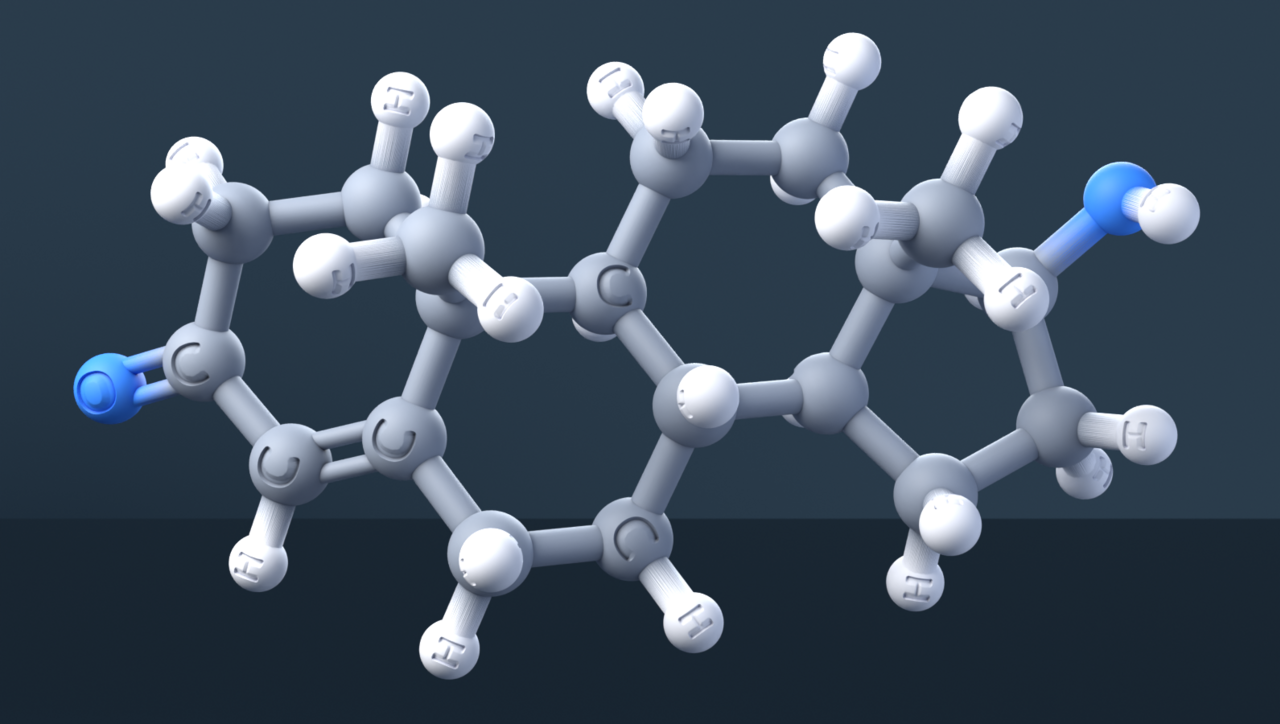
Recent studies report associations between prescription testosterone therapy and tendon injury, but observational data cannot prove causation and do not test testosterone-support supplements.
The headline needs two boundaries
Recent tendon studies can sound alarming: men using testosterone therapy had more tears or repairs in large health-record analyses. The useful reading starts with two boundaries. These were observational associations, and the exposure was prescription testosterone—not an herbal testosterone-support supplement.
That means the findings deserve clinical attention without becoming a universal warning about every product. People prescribed testosterone should not stop it abruptly because of a headline. Supplement shoppers should not claim safety or danger by borrowing data from a different intervention.
A 2025 study focused on treatment without documented indication
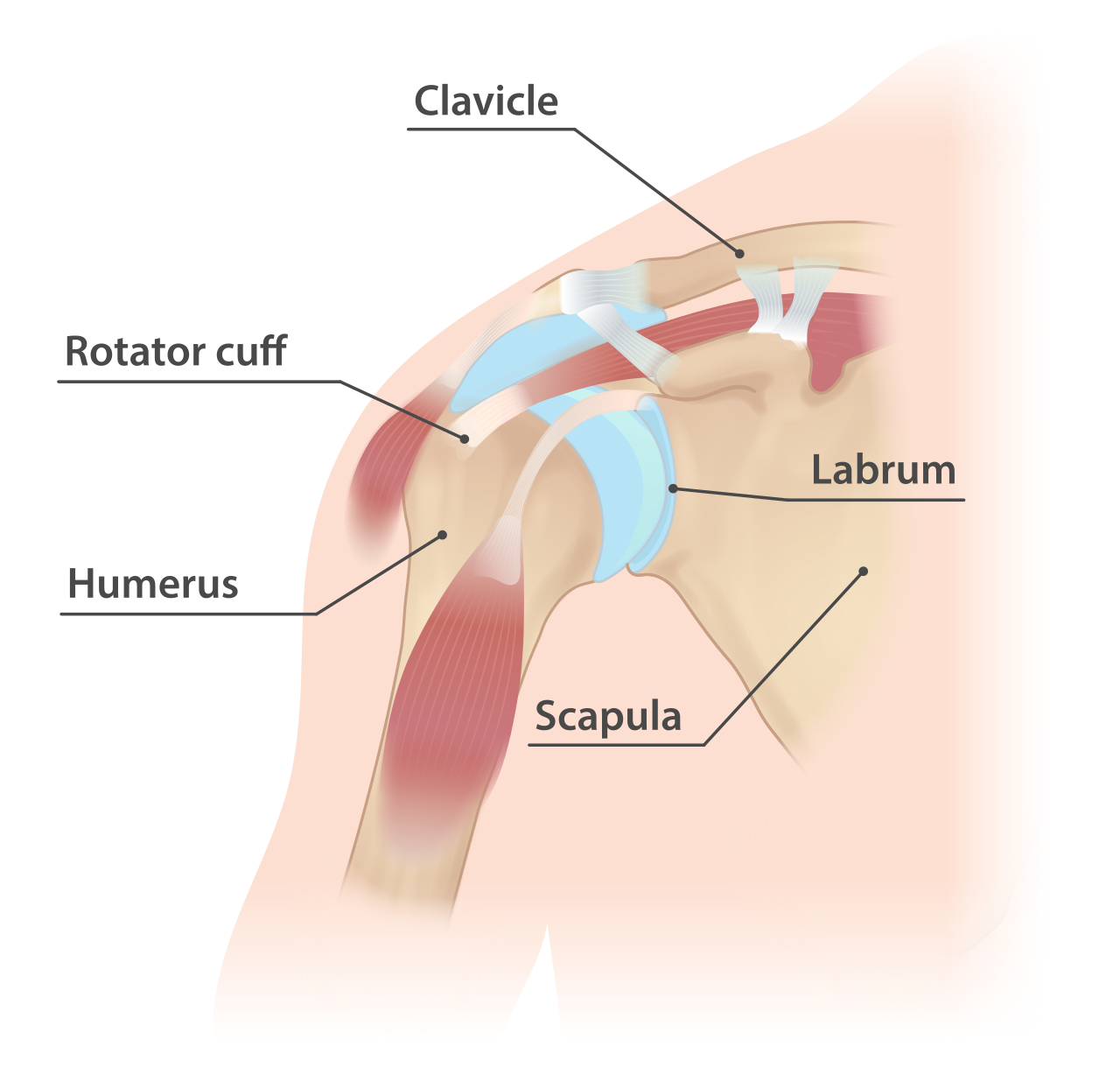
A large retrospective analysis examined people who started testosterone therapy without a documented laboratory indication. Compared with controls, the testosterone group had higher odds of several tendon tears and repairs during the first and second years, including rotator-cuff and patellar-tendon outcomes.
The database design can identify a pattern, but it cannot fully control exercise exposure, occupation, prior symptoms, prescribing differences, health-care use, or other confounding. An odds ratio is not proof that testosterone directly caused a tear in an individual.
A 2026 analysis reported another association
A 2026 retrospective study compared testosterone-therapy users and nonusers with tendon rupture outcomes. Rupture rates were higher among men using therapy, while the pattern was not significant among women. Rotator-cuff tears made up much of the analyzed injury group.
Again, the study was not randomized. Researchers cannot assign people to unnecessary long-term hormone exposure simply to observe injuries, so good observational work is important. Its limits still matter: dose, indication, activity changes, and clinical selection may contribute to the association.
Biology is plausible but not settled
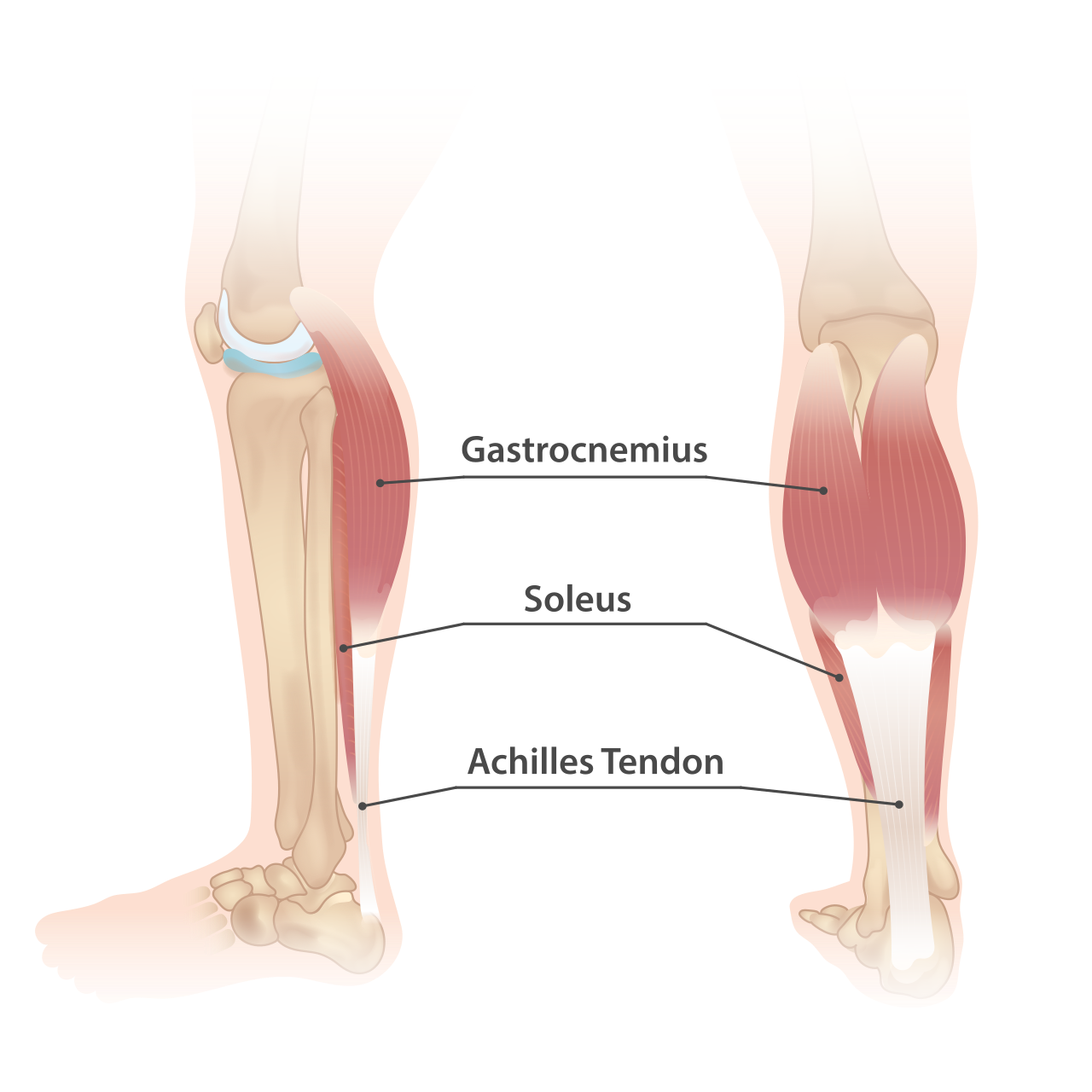
A 2026 review described a possible mismatch between faster changes in muscle capacity and slower tendon adaptation. It also emphasized confounding and the absence of a proven dose-response relationship. Animal or laboratory findings cannot fill every gap in human clinical evidence.
The practical lesson is progressive loading. A person whose strength or training volume changes quickly should give tendons time to adapt, use sound technique, and respond to persistent focal pain. That advice supports safe movement without claiming that it prevents every injury.
Prescription therapy and supplements are different categories
Max T is cataloged as a testosterone-booster supplement with named botanicals and nutrients; it is not testosterone replacement therapy and was not studied in these tendon databases. Its label should be evaluated on its own ingredients, serving, interactions, and finished-product evidence rather than inheriting prescription-drug effects.
The reverse is also true: a supplement should not borrow the lean-mass or medical outcomes of prescribed testosterone. The FDA does not approve dietary supplements for safety and effectiveness before marketing, and some bodybuilding products have illegally contained steroid-like substances. Quality and complete labeling matter.
A practical response to the new evidence
People using prescribed testosterone can ask whether the indication and monitoring are current, especially before a rapid training increase. Sudden weakness, a pop, bruising, or loss of function warrants prompt evaluation. Persistent tendon pain deserves a load review rather than being trained through automatically.
Supplement shoppers should distinguish a hormone prescription from a botanical formula and avoid products making drug-like promises. The news is a reason for proportionate counseling and better research—not for stopping indicated care, blaming every tendon symptom on testosterone, or declaring an untested supplement safer by default.
Build tendon capacity more slowly than enthusiasm
A new training block should increase load in planned steps, especially after time away, illness, or a treatment change. Tendons often react to repeated loading before they fail completely. Morning stiffness, focal tenderness, or pain that returns with the same exercise deserves an adjustment rather than a test of toughness.
A physical therapist or sports-medicine clinician can help separate ordinary muscle soreness from tendon symptoms and design a graded return. This advice is useful regardless of testosterone exposure. It responds to the plausible load-mismatch concern without pretending an observational study can predict an individual tear.
Sources & further reading
- Initiating Testosterone Therapy Without Indication for Treatment of Low Testosterone Is Associated With Higher Risk of Tendon Tear ↗
- Testosterone Therapy and Associated Rates of Tendon Tear and Surgical Repair: A Retrospective Analysis ↗
- Testosterone Therapy and Tendon Injury: Clinical Evidence, Biological Mechanisms, and Sports Medicine Implications ↗
- FDA: Caution—Bodybuilding Products Can Be Risky ↗