
Oral hyaluronic acid for knee pain: do not confuse capsules with injections
Oral hyaluronic acid has small clinical trials, but route, co-interventions and product differences prevent broad claims about knee pain.
Small oral hyaluronic acid trials offer preliminary signals, but they do not support borrowing evidence from injected products or claiming cartilage repair.
The route is part of the intervention
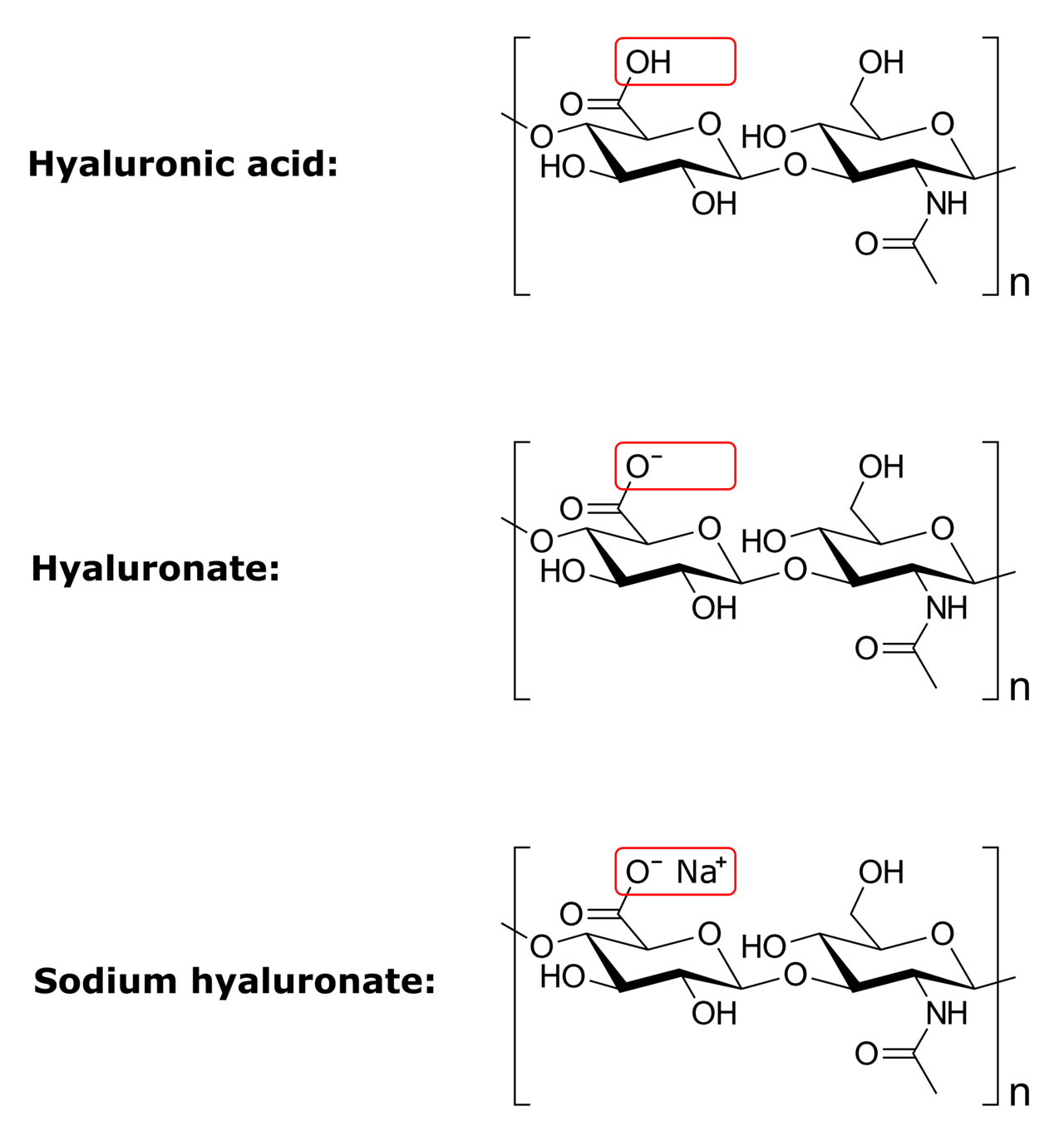
Hyaluronic acid is present in joint fluid and is used in some injected knee products. Oral supplements use the same familiar name, but swallowing a compound is not equivalent to placing a preparation inside a joint. Absorption, metabolism, formulation and delivered exposure differ. Evidence for an injection cannot be transferred to a capsule without direct oral trials.
Marketing can blur this distinction with diagrams of joint lubrication. A biological role inside the body does not establish that an oral product reaches the joint in a form and amount that produces the advertised effect. Human clinical outcomes are needed even when the ingredient sounds structurally relevant.
A year-long oral trial was small and included exercise
A 2012 double-blind, placebo-controlled study randomized 60 people with knee osteoarthritis to 200 milligrams of oral hyaluronic acid or placebo for 12 months. Both groups were asked to perform daily quadriceps-strengthening exercise. Symptoms improved over time in both groups, with a trend favoring hyaluronic acid that appeared more pronounced in participants aged 70 or younger.
The exercise program is important context because it can improve function and symptoms in both groups. The modest sample limited precision and subgroup findings are less dependable than a prespecified primary comparison. The study generated a useful signal, but it did not establish that every oral product provides a clinically important benefit.
Other trials test different products and combinations
A three-month randomized study in 40 participants tested a branded oral preparation and measured pain, function and biological markers. Another short trial evaluated an oral sodium-hyaluronate formulation. Some products combine hyaluronic acid with glucosamine, chondroitin or Boswellia, which makes the contribution of any single ingredient impossible to isolate without an appropriate comparison.
A recent systematic review found a small and varied evidence base across oral products and musculoskeletal conditions. Differences in molecular weight, daily amount, co-ingredients, study length and participant selection make a single class-wide conclusion difficult. Counting all products as if they were the same can create certainty that the trials do not support.

Symptom relief is not proof of cartilage rebuilding
Pain scores and function questionnaires can capture outcomes that matter, but they do not directly show cartilage regeneration. A label that moves from a symptom trial to “rebuilds joints” is changing the claim. Structural improvement would require validated imaging or other measures, sufficient follow-up and a controlled difference linked to the tested product.
Improvement from baseline alone is also inadequate because symptoms fluctuate and placebo groups often improve. The comparison between randomized groups, including confidence intervals and missing-participant handling, determines whether the product added benefit beyond the shared care and study experience.
A practical way to judge an oral product
First confirm that the cited research used an oral preparation rather than an injection. Then compare the exact formulation, amount, co-ingredients and population. Ask whether the trial showed a between-group difference large enough to matter and whether the finding was replicated independently. A quality seal may verify manufacturing features, but it cannot fill gaps in clinical evidence.
Oral hyaluronic acid is best described as preliminary rather than proven. It should not delay assessment of persistent or worsening symptoms and should not replace a clinician-directed plan. If tried after a safety review, a defined goal and time-limited evaluation are more rational than assuming that a structural-sounding ingredient must be repairing the joint.
Consumers should also separate finished-product evidence from ingredient-level citations. A company may list several studies of hyaluronic acid while selling a blend that was never tested as a whole. The dose, molecular characteristics and added ingredients can all differ. If the finished product lacks a matching trial, the evidence should be described as indirect. Replication by an independent group would strengthen confidence. That does not prove the blend cannot help; it means the advertised certainty exceeds what has actually been measured.
Sources & further reading
- Oral administration of polymer hyaluronic acid alleviates symptoms of knee osteoarthritis: double-blind placebo-controlled study ↗
- Effects of an oral preparation containing hyaluronic acid on obese knee osteoarthritis patients ↗
- Short-Term Effect of a New Oral Sodium Hyaluronate Formulation on Knee Osteoarthritis: randomized trial ↗
This article provides educational information. Ask a qualified clinician or pharmacist about your symptoms, medical conditions, medicines and supplement interactions.