
Vitamin D and knee osteoarthritis: two major trials found no cartilage or pain benefit
Vitamin D is essential for bone health, but randomized trials did not show less knee pain or cartilage loss in osteoarthritis.
Correcting a nutritional need and treating knee osteoarthritis are different goals; large trials did not support vitamin D for pain or cartilage preservation.
A strong bone-health story can be misapplied to joints
Vitamin D supports calcium absorption and bone health, but those established roles do not prove that supplementation relieves osteoarthritis or preserves knee cartilage. Osteoarthritis involves the whole joint and is not simply a vitamin D deficiency. A supplement can be appropriate for a nutritional indication without being an effective treatment for a separate symptom.
Observational studies once suggested that lower vitamin D status might be associated with worse knee outcomes. Associations can be useful for generating trials, yet they cannot show that raising vitamin D changes the disease. Health, activity, body composition and sun exposure can differ between people with high and low blood levels and may partly explain the observed relationship.

The Tufts trial tested pain and cartilage directly
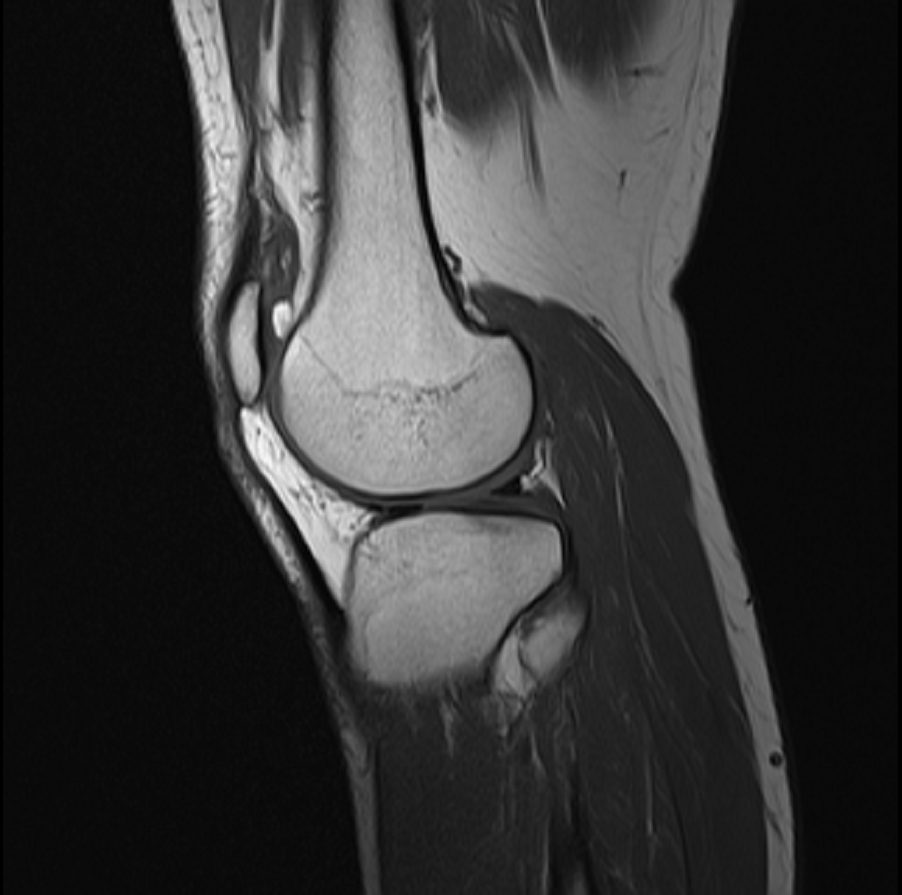
A two-year randomized, double-blind trial enrolled 146 people with symptomatic knee osteoarthritis. Participants received vitamin D3 or placebo, with dosing adjusted to raise blood levels. Vitamin D levels increased substantially in the treatment group, showing that the intervention changed the intended biomarker. Even so, the groups did not differ significantly in knee pain or MRI-measured cartilage-volume loss.
This result illustrates why biomarker success is not clinical success. Raising a blood level can confirm exposure without demonstrating that symptoms or structure improve. Both groups reported some pain reduction, making the placebo comparison essential. A before-and-after description of only the vitamin D group would have created a misleading impression of benefit.
A larger trial in people with low levels reached the same answer
A second two-year trial enrolled 413 people with symptomatic knee osteoarthritis and low vitamin D levels. Monthly vitamin D3 raised 25-hydroxyvitamin D more than placebo, but it did not significantly change tibial cartilage volume or WOMAC knee pain. MRI measures of cartilage defects and bone-marrow lesions also did not differ meaningfully between groups.
The replication is important because one common response to a negative trial is to argue that participants were not sufficiently low at baseline. This study specifically included people with low levels and still did not support vitamin D as a knee-osteoarthritis treatment. It does not say vitamin D is unimportant; it says the tested osteoarthritis claim was not demonstrated.
Nutritional adequacy remains a separate clinical question
People may need vitamin D because of diet, limited sun exposure, malabsorption, bone-health risk or another medical context. The NIH Office of Dietary Supplements provides intake, testing and safety information, but a clinician should interpret those issues for the individual. Joint pain alone cannot diagnose deficiency, and deficiency cannot be assumed to explain the pain.
More is not automatically better. Vitamin D can be harmful in excessive amounts, and combined products may duplicate the same nutrient. A multivitamin, bone formula and joint supplement can add up to an intake that is easy to overlook when each label is reviewed separately.
Use negative trials constructively
Negative trials narrow the claims consumers should accept. They argue against buying vitamin D with the expectation that it will preserve knee cartilage or reduce osteoarthritis pain. They do not negate appropriate testing or supplementation for bone and nutritional reasons. Clear goals prevent one valid health message from being stretched into another.
For knee symptoms, readers should focus on an accurate diagnosis and evidence-based management rather than chasing a target blood level as a joint treatment. If vitamin D is recommended, ask what indication it addresses and how success will be measured. That keeps nutritional care useful while respecting what the osteoarthritis trials actually found.
This separation is especially important in combination products. A joint formula may include vitamin D beside ingredients marketed for comfort, making the nutrient look like part of a pain-relief system. The Supplement Facts panel can show a real contribution to daily intake without proving the finished blend treats osteoarthritis. Consumers should add vitamin D from all products, compare that total with professional advice, and avoid interpreting the presence of a familiar nutrient as evidence that the complete formula has been clinically tested.
Sources & further reading
This article provides educational information. Ask a qualified clinician or pharmacist about your symptoms, medical conditions, medicines and supplement interactions.