PEA for knee osteoarthritis: a 2026 trial tempers an earlier positive result
Two randomized PEA trials reached different levels of certainty for knee osteoarthritis. Learn what improved, what did not, and what remains unknown.
An older trial reported symptom improvements, but a 2026 trial missed its primary between-group result. PEA remains an investigational option, not proven cartilage treatment.
The newest result makes the decision clearer
A new bottle can look promising when an earlier study was positive. The useful update is that palmitoylethanolamide, usually shortened to PEA, now has another randomized knee-osteoarthritis trial—and the newer result was less convincing. That helps shoppers set a more realistic expectation before spending money.
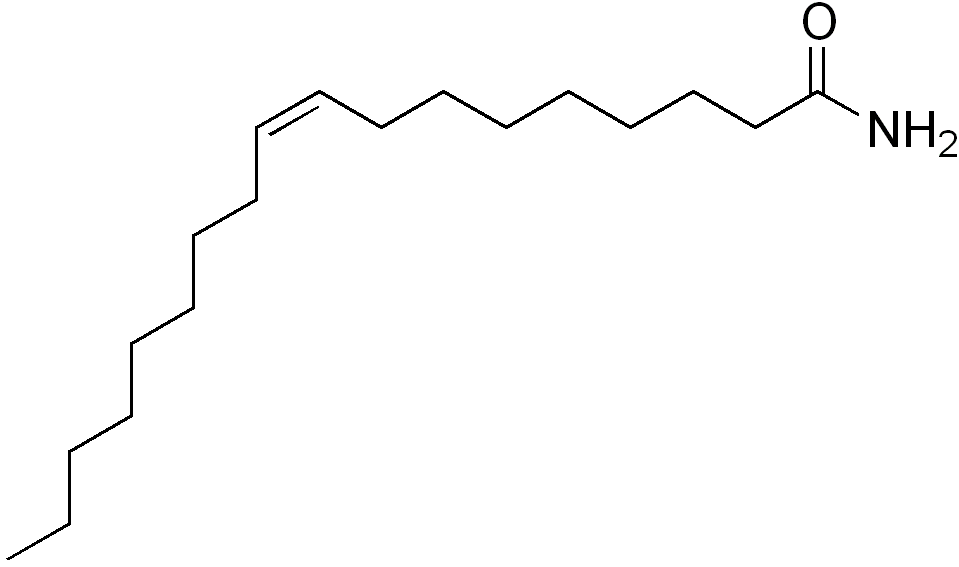
PEA is a fatty-acid amide made naturally in the body and sold in oral supplements. Researchers study it mainly for pain signaling and inflammation. That biological story is interesting, but the practical question is whether people taking a defined PEA product improved more than people taking placebo.
The 2019 trial produced a favorable signal
A 2019 double-blind trial randomized 111 adults with mild to moderate knee osteoarthritis to 300 milligrams of PEA, 600 milligrams of PEA, or placebo daily for eight weeks. Both PEA groups improved more than placebo on the total WOMAC score, and several pain and stiffness measures also favored PEA.
That study offered a reason for further research, not a final verdict. It was conducted at one site, lasted only eight weeks, and tested particular doses and products. Symptom questionnaires can matter to patients, yet they do not show that cartilage regenerated or that osteoarthritis progression slowed.
The 2026 trial missed its main comparison
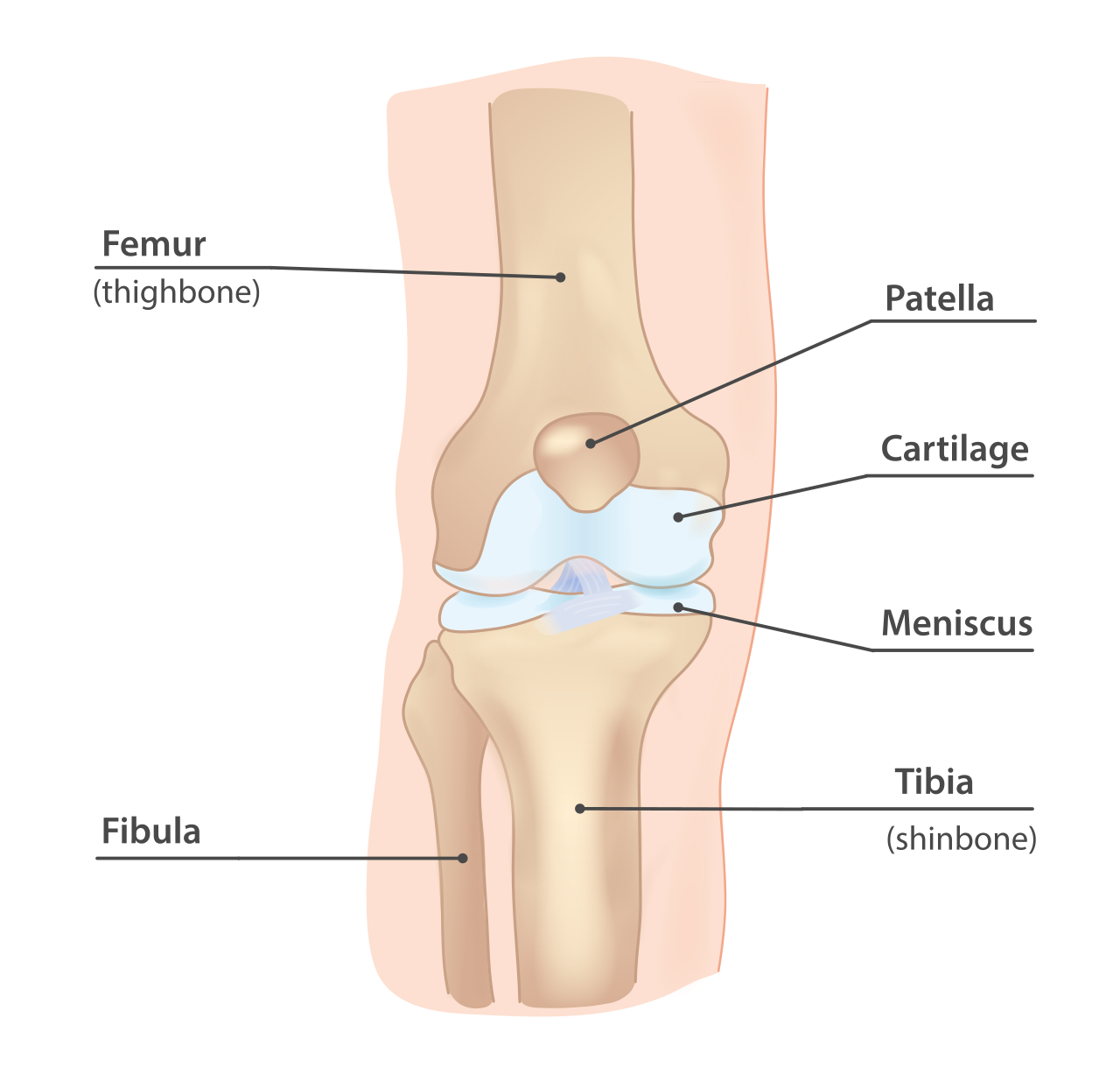
A trial published online on August 24, 2026 followed adults with symptomatic knee osteoarthritis for 12 weeks. Participants received low-dose PEA, high-dose PEA, or placebo. All groups improved from baseline, but the PEA groups were not significantly better than placebo on the primary WOMAC comparison at week 12.
A post-hoc responder analysis favored the higher dose, and the investigators reported that PEA was well tolerated. Those secondary findings can guide the next study, but they do not overturn a missed primary endpoint. Post-hoc results are more vulnerable to chance because they are examined after the main analysis.
Why two trials can point in different directions
Placebo response in pain trials can be large, especially when everyone receives attention and expects improvement. Baseline pain, product formulation, dose, trial length, rescue medicines, and statistical plans can also change the answer. A supplement name alone does not make two interventions identical.
The 2026 researchers noted an early placebo improvement. Later score patterns appeared more favorable for PEA, but the planned comparison still matters most. Reading the complete sequence prevents a common mistake: highlighting a later subgroup while overlooking the result the trial was designed to test.
Safety still needs a personal review
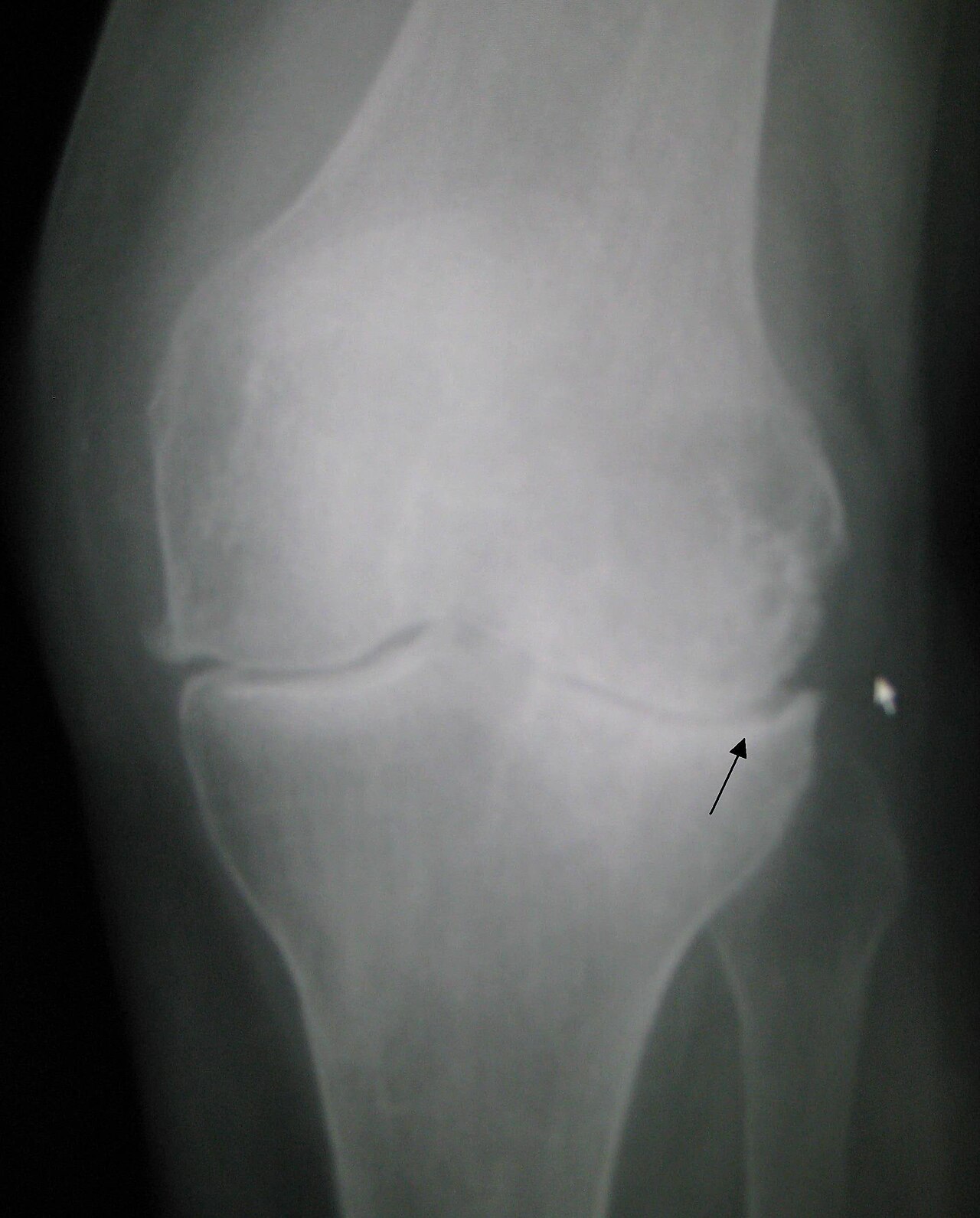
Short trials cannot establish long-term safety, and supplement quality can vary. Anyone using medicines, managing several conditions, preparing for surgery, or pregnant or breastfeeding should discuss PEA with a clinician or pharmacist. New swelling, locking, fever, injury, or inability to bear weight deserves assessment rather than supplement experimentation.
PEA should not replace exercise therapy, weight management when relevant, prescribed treatment, or evaluation of a changing knee. The studies tested an add-on approach in selected adults; they did not prove that PEA treats every cause of knee pain.
A practical way to use the update
If PEA remains on the shortlist, match the exact daily dose and formulation to the research, check whether the seller provides independent quality information, and decide in advance what meaningful improvement would look like. Track walking, stairs, sleep, and rescue medicine rather than relying on a vague impression.
Set a reasonable review date with a health professional and stop if adverse effects occur. The best current summary is measured: one positive short trial, one newer trial that missed its primary advantage, and no proof of cartilage repair. That is enough information to resist both hype and an automatic dismissal.
Bring the full knee picture to the decision
Before trying PEA, note when pain occurs, whether the knee swells, which activities are limited, and what treatments have already helped. A precise baseline makes it easier to spot a worthwhile change and easier for a clinician to recognize symptoms that point beyond routine osteoarthritis.
Also photograph or save the exact Supplement Facts panel. PEA amount, formulation, serving frequency, and added ingredients may change between products. If the bottle cannot be matched to the studied intervention, the trial should remain background information rather than a forecast.
Sources & further reading
- A double-blind randomized placebo controlled study assessing safety, tolerability and efficacy of palmitoylethanolamide for symptoms of knee osteoarthritis ↗
- Temporal effects of Palmitoylethanolamide (PEA) in modulating knee osteoarthritis symptoms: A randomized, double-blind, placebo-controlled trial ↗