Sesame for knee osteoarthritis: eating seeds and applying oil are different tests
Sesame studies used oral seeds and topical oil in knee osteoarthritis. Learn how route, comparator, and outcome change what a result can support.
Small trials suggest selected benefits, but oral sesame seed and topical sesame oil cannot validate each other or every sesame supplement.
The route changes the evidence before the first dose
Sesame appears in foods, oils, powders, and capsules, so a positive headline can travel farther than the study. For knee osteoarthritis, the human evidence includes an oral seed study and a topical oil study. They reached the body through different routes and used different comparisons.
That makes the shopping lesson unusually clear: a sesame name on the front label is not enough. First ask whether the product is eaten or applied, then check its daily quantity and the outcome that researchers actually measured.
The oral study added a large food dose
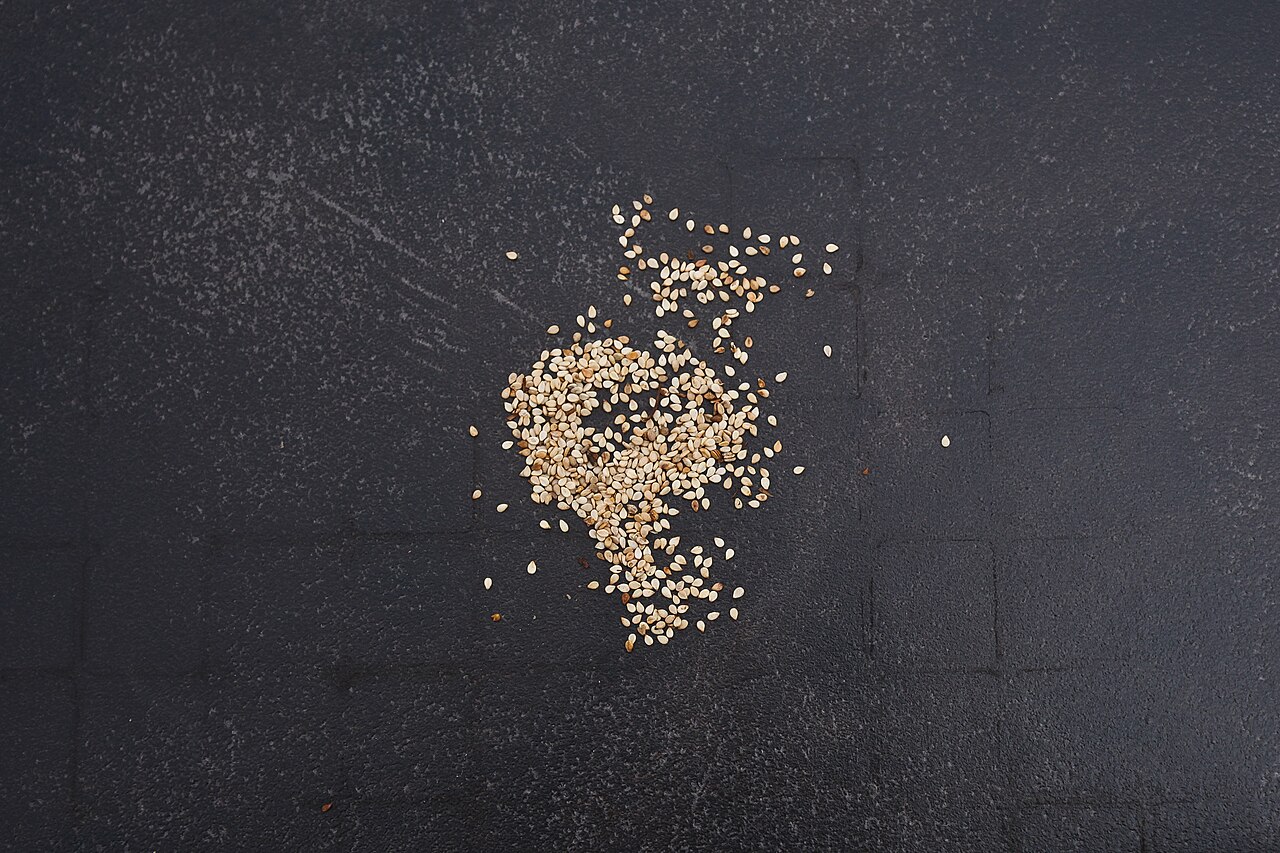
A 2013 study assigned 50 people with knee osteoarthritis to standard treatment alone or standard treatment plus 40 grams of sesame seed daily for two months. Pain, KOOS scores, and Timed Up and Go results favored the sesame group in reported analyses.
Forty grams is a substantial food amount, not a tiny capsule sprinkle. The comparison also did not use a matched placebo, which can leave expectations and dietary changes uneven between groups. The result supports further controlled research, not a claim that any sesame capsule will reproduce it.
The topical trial used diclofenac as an active comparator
A 2019 trial randomized 104 participants to topical sesame oil or diclofenac gel three times daily for four weeks. Sesame oil met noninferiority criteria for some outcomes, including WOMAC pain, an eight-meter walk test, and knee flexion, but not for every pain or stiffness measure.
A noninferiority study asks whether a treatment is not unacceptably worse than a comparator within a defined margin. It does not automatically prove equivalence. The short follow-up and active comparison also mean the study cannot answer how sesame oil performs against a truly inactive placebo over months.
Seeds, oil, and extracts should not borrow doses
Whole seeds provide fat, protein, fiber, and multiple plant compounds. Topical oil contacts skin and may not deliver the same constituents systemically. An extract can concentrate selected chemicals. These forms should not borrow one another’s serving sizes or expected effects.
A useful product comparison records the species, plant part, preparation, amount, frequency, and route. If a label says only “sesame complex,” there is no reliable bridge to either trial. Familiarity as food does not solve that information gap.
Allergy and skin safety still matter
Sesame is a major food allergen. People with known sesame allergy should avoid casual experiments, including topical products, unless specifically advised by an allergy professional. Oils and added fragrances can also irritate skin; broken or infected skin needs medical care rather than a home application.
Oral quantities affect calories and may not fit every eating plan. Anyone taking several supplements or medicines should review the full routine. Stop a new product and seek help for hives, swelling, breathing difficulty, or other signs of a serious allergic reaction.
Choose the claim that matches the preparation
For oral seeds, the evidence is one small, imperfect study using 40 grams daily with standard care. For topical oil, a short active-comparator trial produced a mixed set of noninferiority results. Neither route proves cartilage repair or long-term disease modification.
That leaves a practical path: keep established knee care in place, compare the exact route with the exact trial, and track meaningful function if a clinician agrees to a time-limited test. Sesame may be worth studying, but the route belongs in every sentence about the result.
Do not let a familiar food bypass the evidence check
A culinary history can make sesame feel automatically gentle, yet concentrated or repeated use is still an intervention. Forty grams of seed changes the diet, while oil applied three times daily changes the skin routine. Neither is a trivial copy of ordinary seasoning.
Bring the exact plan to a dietitian, pharmacist, or clinician when allergies, calorie goals, medicines, or skin conditions are involved. The best decision may be enjoying sesame as food, testing a defined product cautiously, or skipping it because the preparation does not match the research question.