Tart cherry for gout: urate changes and flare prevention are different questions
Tart-cherry studies report mixed urate results and use different products. See why juice, concentrate, and a citrate mixture cannot be treated as equivalent.
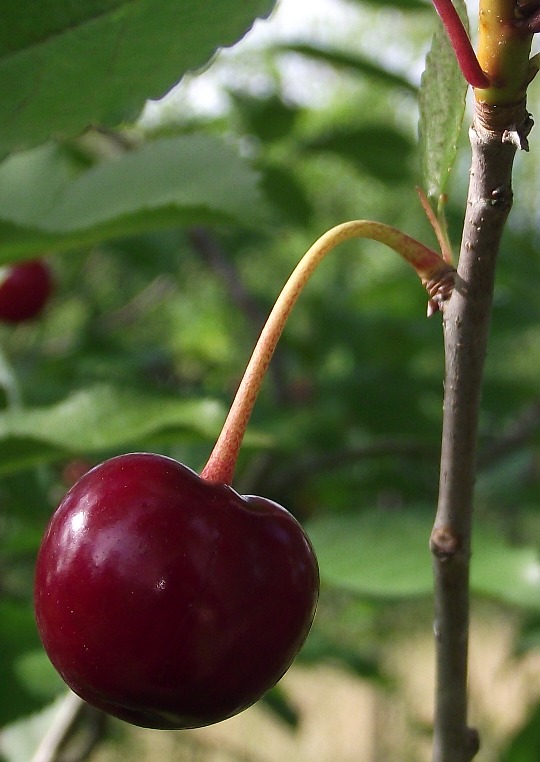
Tart cherry may affect selected urate measures in some settings, but trials do not establish it as a replacement for proven gout care or urate-lowering medicine.
A cherry label does not answer the gout question
Tart cherry is easy to add to a routine, but the studies ask several different questions. Some measure serum urate. Others count gout flares, examine urine pH, or test a mixed product alongside prescription treatment. Keeping those outcomes separate turns a confusing ingredient story into a useful buying decision.
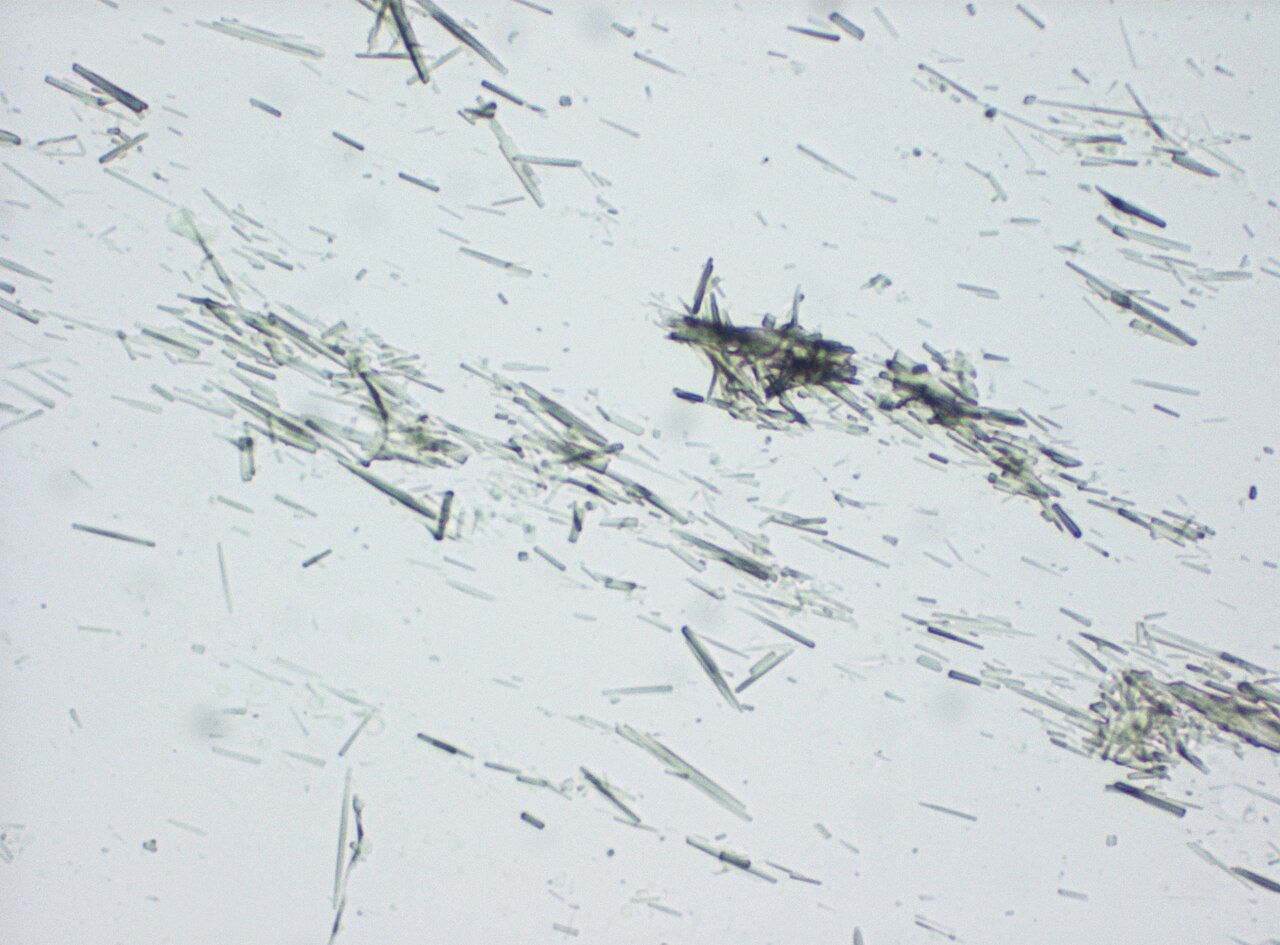
Gout occurs when monosodium urate crystals trigger inflammation in and around joints. A short-term laboratory change can be interesting, yet the goal of long-term care is to prevent crystal-related attacks and complications. That requires evidence about people with gout, not only people whose urate happens to be elevated.
One juice trial lowered urate outside a gout population
A randomized crossover study enrolled 26 adults with overweight or obesity. Participants drank 240 milliliters of tart-cherry juice or a placebo beverage daily for four weeks. Serum urate was lower during the tart-cherry period, a result that supports more research on the beverage.
The participants were not selected because they had established gout, and the trial did not demonstrate fewer gout attacks. A beverage result also cannot be transferred directly to capsules, gummies, powders, or concentrates. Sugar, calories, anthocyanins, and the quantity of fruit material can differ substantially.
A gout trial found no dose effect from concentrate
A separate randomized study tested tart-cherry concentrate in people with gout. Over 28 days, different concentrate doses did not meaningfully lower serum urate. That negative finding is especially useful because it examined the population shoppers usually have in mind when they search for a gout supplement.
The contrast with the beverage trial is not necessarily a contradiction. Population, preparation, baseline urate, dose, and study design all differed. It does show why “tart cherry worked” is too broad a conclusion and why product form belongs beside the headline result.
The citrate-mixture study tested a combination
In 2023, researchers randomized 282 men with gout who were starting febuxostat and had low urine pH. One group received a tart-cherry supplementary citrate mixture, while comparison groups received citrate mixture or sodium bicarbonate. Everyone was also beginning prescription urate-lowering therapy.
That design can inform questions about urine alkalinization and an add-on mixture, but it cannot isolate tart cherry cleanly. Any flare or laboratory outcome occurred in the context of febuxostat and other ingredients. A retail cherry-only product should not inherit the full result.
Keep effective gout care in the foreground
Repeated flares, tophi, kidney disease, or persistently high urate deserve medical management. A supplement should not delay diagnosis or replace a urate target and medicine plan agreed with a clinician. During a sudden hot, swollen joint, urgent assessment may be needed because infection can resemble gout.
Cherry products may also add sugar, calories, or concentrated ingredients and can interact with an individual diet or treatment plan. Check the serving, total carbohydrates, other actives, and whether the product is juice, concentrate, extract, or a mixture.
Compare products with the trial in front of you
A practical label audit starts with four lines: exact cherry species, preparation, quantity per serving, and every added ingredient. Then compare those details with the study population and endpoint. If the match is poor, treat the research as background rather than a prediction.
Tart cherry remains a candidate, not a proven gout treatment. The strongest decision is often the simplest one: keep prescribed care consistent, measure serum urate when advised, and view any cherry product as an optional food or supplement whose effect has not been established for every person with gout.
Keep a flare record that answers the real question
If a clinician agrees that tart cherry fits the plan, record the product, serving, start date, serum-urate results, and every flare. Note duration, joint location, rescue medicine, and possible triggers. Memory alone tends to overvalue a good week after a new purchase.
Do not change several supplements or medicines at the same time. A simple record cannot replace a trial, but it can prevent an expensive product from continuing indefinitely without a defined benefit. It also gives the care team more useful information than “I think it might be helping.”
Sources & further reading
- Consumption of 100% Tart Cherry Juice Reduces Serum Urate in Overweight and Obese Adults ↗
- Lack of effect of tart cherry concentrate dose on serum urate in people with gout ↗
- Efficacy and safety of tart cherry supplementary citrate mixture on gout patients: a prospective, randomized, controlled study ↗