Vitamin C for gout: a small urate effect is not the same as gout control
Vitamin C lowered urate in one broad trial but had little clinical effect in people with gout. Learn how to read the dose, population, and safety limits.
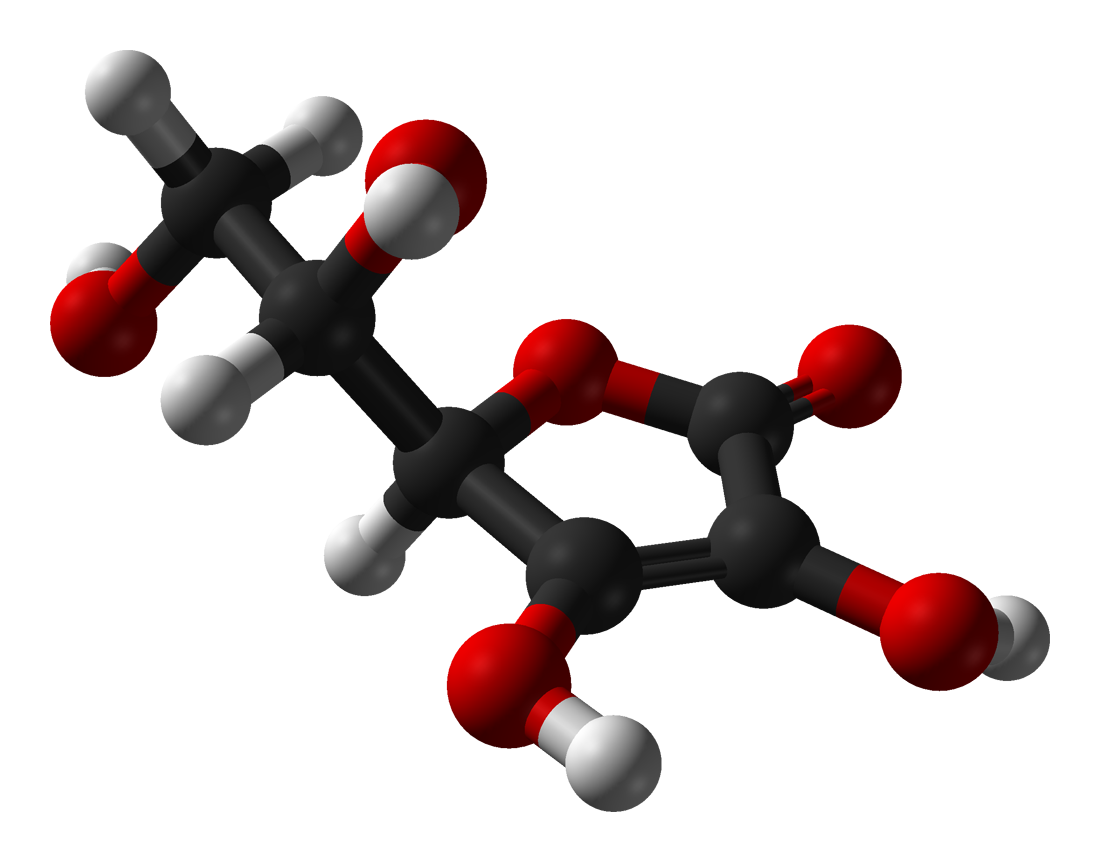
Vitamin C can modestly affect serum urate in some adults, but a gout trial found the effect clinically insignificant compared with allopurinol adjustment.
The attractive shortcut has an important limit
Vitamin C is familiar, inexpensive, and easy to find. That makes a urate-lowering claim feel low risk. The most useful answer, however, comes from comparing two randomized trials: one in a broad group of adults and another in people already living with gout.
Those studies did not produce the same practical conclusion. The difference is a reminder that improving a laboratory value in a general population does not automatically deliver enough change to manage a diagnosed disease.
A larger trial found a modest urate reduction
A double-blind trial randomized 184 nonsmokers to 500 milligrams of vitamin C or placebo daily for two months. Serum urate fell by about 0.5 milligram per deciliter in the vitamin C group, while the placebo group did not show a comparable reduction.
That result supports a biological effect, but the study was not a gout-treatment trial. It did not show that vitamin C prevented attacks, dissolved crystals, or matched the urate reduction expected from prescription therapy. The average change also may not move a person to a treatment target.
The gout trial delivered a more practical comparison
A pilot randomized study enrolled 40 people with gout and serum urate above 6 milligrams per deciliter. Some were already taking allopurinol. Participants received vitamin C at 500 milligrams daily or started or increased allopurinol for eight weeks.
Vitamin C raised blood ascorbate as expected, but its serum-urate effect was clinically insignificant and much smaller than the change with allopurinol. This does not make vitamin C useless as a nutrient. It means the supplement did not perform like effective urate-lowering treatment in that study.
Dose and goal should stay connected
The adult Recommended Dietary Allowance is far below many supplement doses. A person can meet vitamin C needs through food or a modest supplement without expecting gout control. Taking more does not guarantee a larger urate effect, and the trial result at 500 milligrams should not be stretched to megadoses.
When a label promises antioxidant support, immune support, and joint comfort at once, identify the outcome that actually matters. For gout, that usually means sustained serum urate at an agreed target and fewer flares—not simply adding another nutrient to the routine.
High intake is not automatically harmless
The NIH Office of Dietary Supplements lists an adult upper limit of 2,000 milligrams per day from food and supplements. High doses can cause diarrhea, nausea, and abdominal cramps. Concerns about urinary oxalate and kidney stones are especially relevant for people with kidney disorders or pre-existing hyperoxaluria.
Vitamin C can also increase iron absorption, which matters in hereditary hemochromatosis. Add up vitamin C from multivitamins, drink powders, gummies, and stand-alone tablets before choosing another product. A pharmacist can help review overlap.
Use vitamin C for the reason the evidence supports
If a clinician recommends vitamin C for nutritional need, follow that plan. If the goal is gout control, do not substitute it for allopurinol, febuxostat, monitoring, or a flare plan. Sudden severe swelling, fever, or a first attack still deserves medical assessment.
The practical close is straightforward: vitamin C has a small urate signal in some adults, but the disease-specific trial found too little change to count as gout treatment. Keep nutrient adequacy and urate-lowering therapy as two separate decisions.
Check the whole supplement stack before adding more
Vitamin C appears in multivitamins, immune powders, flavored drinks, gummies, and combination joint products. A single front-label claim can hide a much larger daily total. Write down the amount per serving and the number of servings actually used, then add every source.
That audit also reveals whether a new tablet solves a real nutritional gap or simply duplicates another product. For someone with gout, kidney disease, iron overload, or a sensitive stomach, the combined dose can matter more than the marketing category on any one bottle.
Bring the list to routine visits so changing brands or serving sizes do not quietly change the total dose.
Sources & further reading
- The effects of vitamin C supplementation on serum concentrations of uric acid: results of a randomized controlled trial ↗
- Clinically insignificant effect of supplemental vitamin C on serum urate in patients with gout: a pilot randomized controlled trial ↗
- NIH Office of Dietary Supplements: Vitamin C Fact Sheet for Health Professionals ↗