Workout soreness or joint pain? Sports supplement research cannot answer both at once
Recovery research in athletes should not be treated as proof that a supplement addresses an unexplained joint symptom.
Study populations and outcomes matter: exercise recovery findings do not automatically establish treatment for joint problems.
Recovery is a broad marketing word
Sports products often promise recovery, while joint products promise comfort or mobility. The categories overlap in advertising, especially for active adults. Yet soreness after a workout, persistent discomfort in a joint, and a diagnosed musculoskeletal condition are different contexts. A supplement study in one setting cannot automatically answer questions in another.
NIH's Office of Dietary Supplements reviews exercise and athletic performance ingredients with attention to the type of activity and outcome studied. NCCIH's osteoarthritis resources address a different clinical setting. Keeping those contexts visible prevents a general word such as recovery from carrying more evidence than the underlying research provides.

Start with what the study participants experienced
A trial may enroll healthy recreational exercisers, trained athletes, older adults, or people with a diagnosed condition. The same average result can have different implications across those groups. An intervention tested after a specific exercise protocol does not necessarily apply to an ongoing joint concern that was never part of the study.
Look for the inclusion criteria and the reason participants entered the research. If they did not have the condition implied by the advertisement, the finding is indirect. Indirect evidence can generate a useful question, but the link should be acknowledged instead of being presented as if the desired clinical outcome was directly tested.
Name the outcome before judging the benefit
Recovery research may measure soreness ratings, strength after exercise, performance, or laboratory markers. These outcomes are related but not equivalent. A change in a blood marker does not by itself show that a person can train more effectively or that a painful joint has improved.
Likewise, feeling less sore is not proof of a structural repair. Advertising sometimes combines these ideas into a single picture of faster healing. The fair conclusion should follow the actual outcome and comparison. Ask what changed relative to the control group and whether the difference was large enough to matter outside the study protocol.
An ingredient's nutritional role is not a diagnosis
Protein and other nutrients support normal bodily functions, but that fact does not establish the cause of a pain or the need for a particular supplement. A product cannot diagnose a joint concern because its label mentions connective tissue or muscle repair. Nutritional adequacy and treatment of a clinical problem remain separate questions.
A qualified professional can assess persistent, worsening, or otherwise concerning symptoms. The purpose is to understand the actual issue rather than infer a deficiency from a sports advertisement. Choosing a more specialized product name does not substitute for that assessment, even when the name closely resembles the activity associated with discomfort.
Product stacks can complicate interpretation
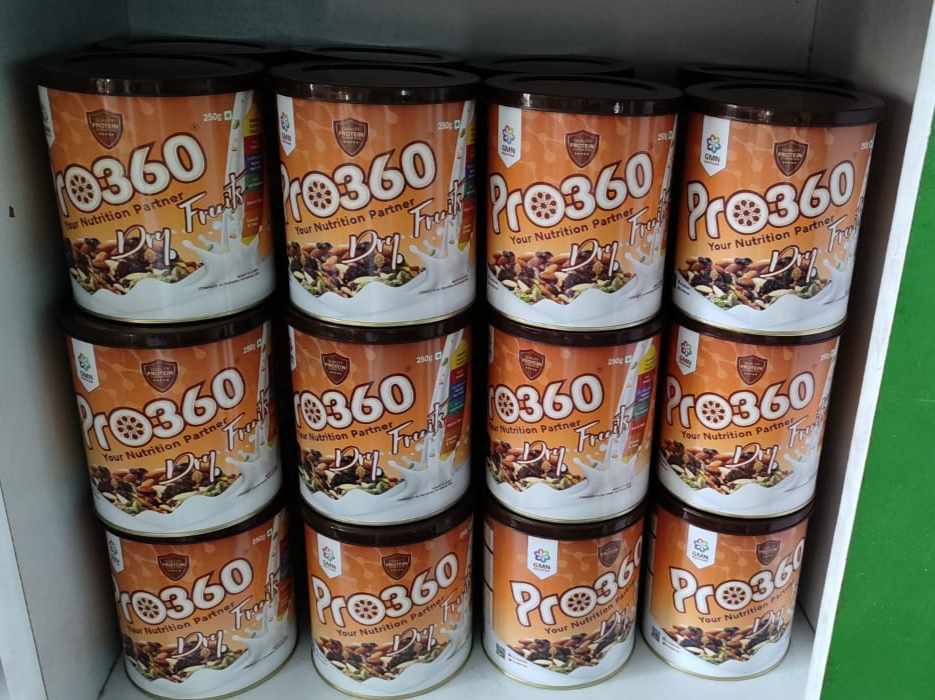
An active person may combine a pre-workout formula, a recovery product, a joint blend, and a multivitamin. These can share ingredients despite being marketed for different moments in the day. Total exposure, additional components, and possible interactions deserve review as a complete routine.
If several products and training habits change at once, later improvement cannot be confidently assigned to one ingredient. The same applies to an adverse experience. Keeping accurate labels and a clear account of changes can help a pharmacist or clinician review the situation, without treating the personal sequence as a controlled experiment.
Let the question determine the evidence
For a purchasing decision, identify whether the aim is meeting a dietary need, improving a defined performance outcome, reducing exercise-related soreness, or addressing a joint problem. Those aims may require different studies and different professional input. A research citation is relevant only to the extent that it matches the actual question.
Exercise science can offer useful information without becoming a universal answer to pain. A supplement shown to affect a recovery measure under specific conditions should be described at that level. Clear boundaries protect readers from turning a sports marketing category into a self-diagnosis or an unsupported treatment claim.
Sources & further reading
This article provides educational information. Ask a qualified clinician or pharmacist about your symptoms, medical conditions, medicines and supplement interactions.