Yoga or strengthening for knee osteoarthritis? A trial supports either route
A 2025 randomized trial found yoga was not inferior to strengthening for knee pain, with modest differences that require careful interpretation.
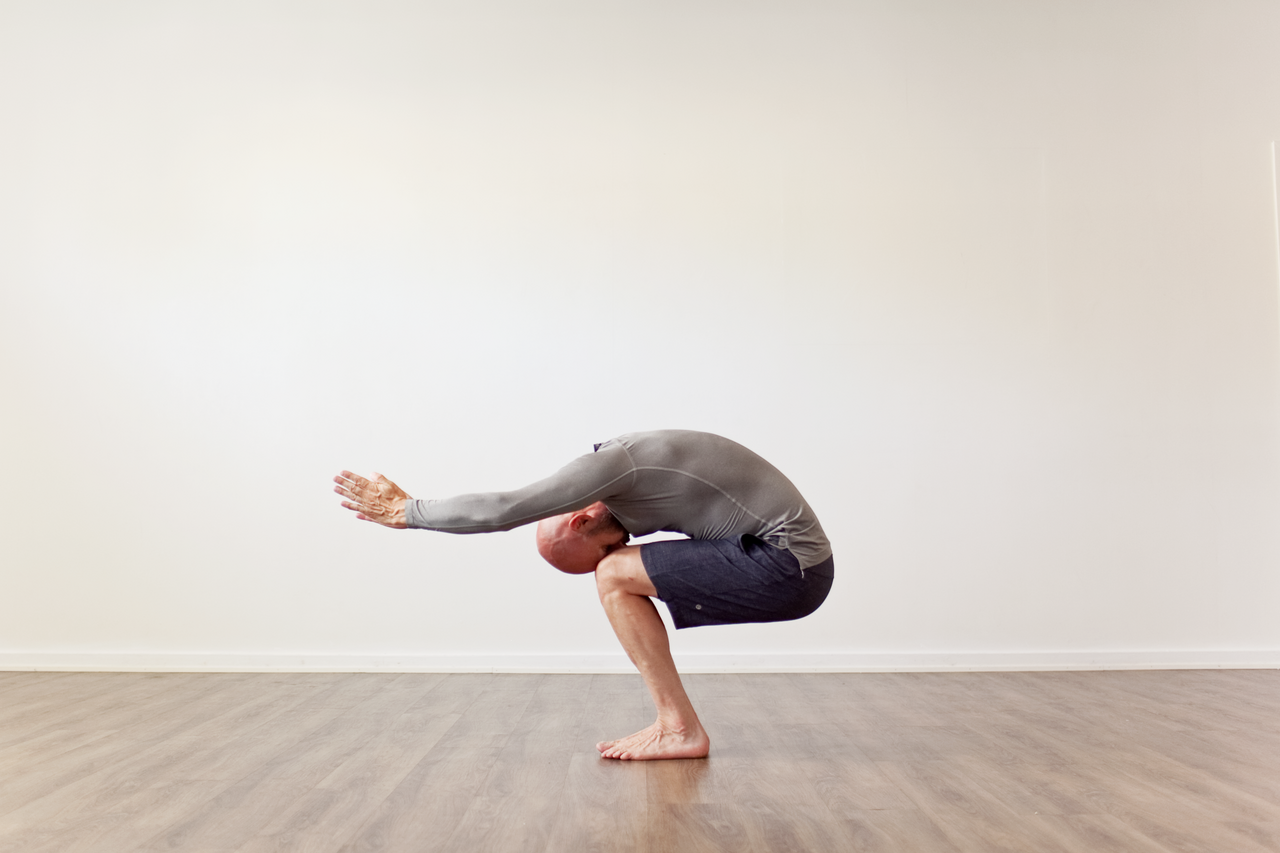
Yoga and strengthening both reduced knee pain in a randomized trial. The better starting point is the program a person can perform safely and consistently.
Two reasonable routes can be good news
People with knee osteoarthritis are often told to exercise, then left wondering which kind. A direct randomized comparison offers a reassuring answer: a structured yoga program can be a legitimate alternative to strengthening for some adults, without requiring the claim that yoga is universally better.
Choice can improve adherence. Someone drawn to breath, balance and whole-body movement may stay with yoga; another person may prefer clear strength progressions. The negative bromelain placebo trial makes a related evidence point: the exact intervention and comparison must remain visible.
The 2025 trial tested active programs on both sides
Researchers randomized 117 adults with painful knee osteoarthritis to yoga or strengthening. Each group completed two supervised and one home session weekly for 12 weeks, then continued with home sessions through week 24. Yoga was noninferior to strengthening for the primary 12-week pain comparison.
The average between-group pain difference was small and not statistically significant. Several secondary outcomes later favored yoga, but there were many secondary comparisons. The green-lipped mussel knee trial shows why an encouraging signal should not be stretched into a win on every measure.
A yoga program is more than one dramatic pose
The intervention used a planned sequence and supervision, not an online photo copied at full depth. Knee angle, balance support, repetition and transition speed can change the load. A chair, wall or reduced range can preserve the movement goal while making the position more manageable.
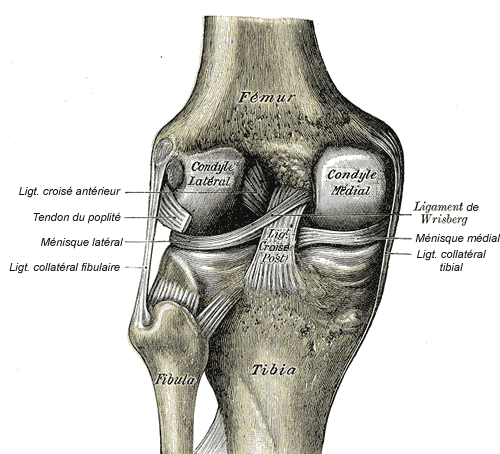
The same caution appears in the PEA knee-osteoarthritis trial: one favorable outcome cannot prove every proposed benefit. A pain result from yoga does not prove cartilage rebuilding, and a flexible pose does not show that the joint is structurally healthier.
Strengthening remains a reliable comparison
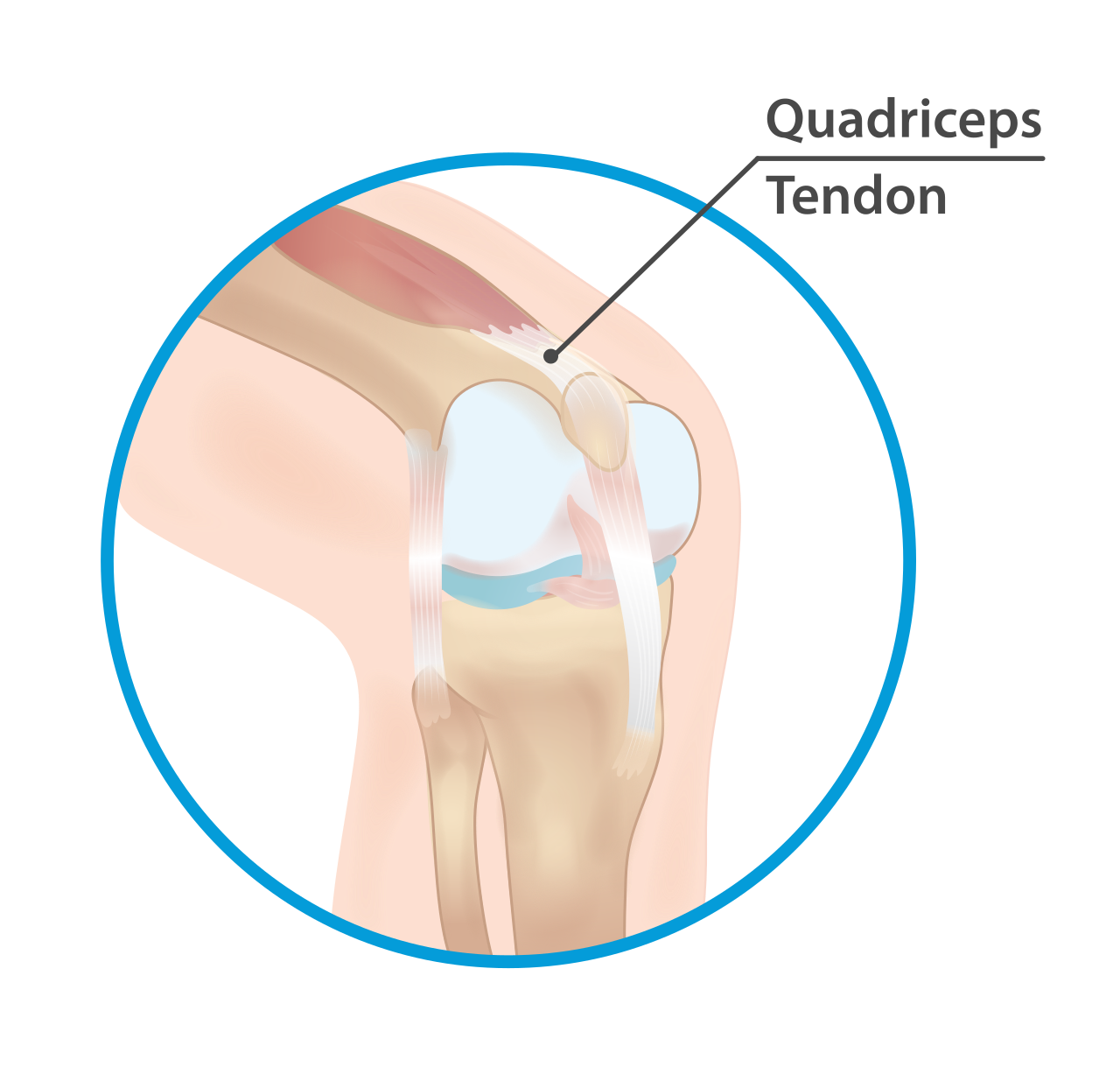
Strength work can target the quadriceps, hips and calf with doses that progress gradually. It can be performed with body weight, bands or machines. The trial’s message is not that strength is unnecessary; it is that yoga produced comparable pain improvement in the tested setting.
Many people can combine the approaches after learning both safely. A physical therapist can help when the knee repeatedly swells, buckles or loses motion, or when pain may come from the hip, spine or a new injury rather than routine osteoarthritis.
Use symptoms to adjust, not abandon, movement
Mild short-lived discomfort during a new program can differ from a flare that changes gait or lasts into the next day. Reduce depth, resistance or session length when symptoms rise. Persistent swelling, locking, inability to bear weight or a hot joint deserves assessment rather than another home modification.
Turmeric absorption claims deserve a safety question, and movement plans deserve one too: can this version be repeated without causing a meaningful setback? Safety is part of effectiveness because an impressive routine that cannot be sustained will not deliver its intended training dose.
Pick a program and give it a fair trial
Start with two or three sessions weekly and one simple outcome, such as pain during a familiar walk or ease of rising from a chair. Record attendance as well as symptoms. If the program is not being completed, the issue may be access, boredom or difficulty rather than the exercise category itself. The guide to reading a joint supplement trial explains why planned comparisons and outcomes shape the conclusion.
At 12 weeks, review progress and decide whether to continue, adapt or combine approaches. The trial supports flexibility: yoga can be a serious option, strengthening remains a serious option, and neither needs exaggerated cartilage claims to earn a place in a practical knee plan.
Supervision can make either option more usable
Early feedback helps identify whether the knee is collapsing inward, the hips are doing too little work, or a pose is being forced past a comfortable range. A good instructor modifies the task without turning every symptom into a reason to stop moving.
Ask for a written home sequence and a clear progression rule. The most useful program is one that can be performed between visits with confidence. That practical support may matter as much as whether the class is labeled yoga or strengthening.