Vitamins & Minerals
Magnesium for night leg cramps: a 2026 trial reinforces the negative evidence
A 2026 randomized trial found magnesium no better than placebo for recurrent leg cramps, consistent with an earlier Cochrane review.
THE EVIDENCE FOR
MOVING WELL.
A 2026 randomized trial found magnesium no better than placebo for recurrent leg cramps, consistent with an earlier Cochrane review.
Small trials of a branded maritime pine-bark extract reported symptom improvements, while a broader review found the evidence insufficient.
Rosehip trials report modest symptom improvements, but the evidence relies on a specific preparation, small samples and manufacturer support.
Longer randomized trials and a systematic review found no convincing evidence that vitamin E improves osteoarthritis pain or function.
Willow-bark evidence includes a favorable recent meta-analysis and randomized trials that found no meaningful benefit over placebo.
ASU trials show mixed, joint-specific findings. Here is how to read symptom, structure and safety evidence without overgeneralizing.
Two randomized trials paired creatine with rehabilitation for knee osteoarthritis. Their design supports an add-on question, not a cure claim.
Clinical trials of ginger for knee osteoarthritis report mixed, generally modest results that depend on formulation, outcome and study quality.
A 2026 randomized trial of green-lipped mussel powder reported some improvements, but analysis choices and prior mixed evidence matter.
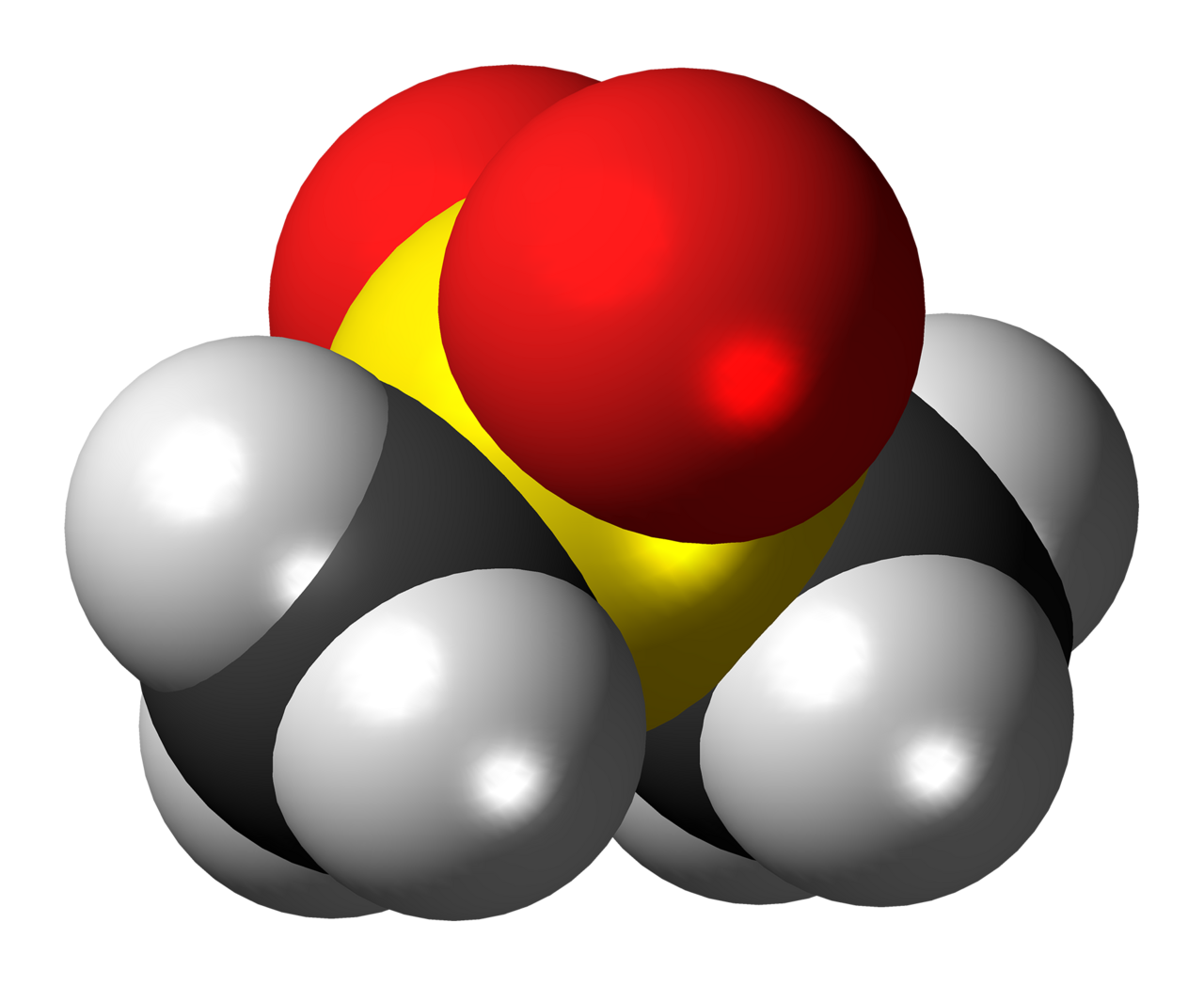
A measured guide to MSM trials for knee osteoarthritis, including effect size, study limits, product matching and safety questions.
Fish oil labels often combine heart and joint promises, but cardiovascular safety, triglycerides and arthritis symptoms require separate evidence.
Oral hyaluronic acid has small clinical trials, but route, co-interventions and product differences prevent broad claims about knee pain.