Digital walking programs for knee osteoarthritis: coaching matters more than the gadget
Small and larger randomized trials show how step goals, physical-therapy coaching and home exercise can improve knee osteoarthritis activity plans.
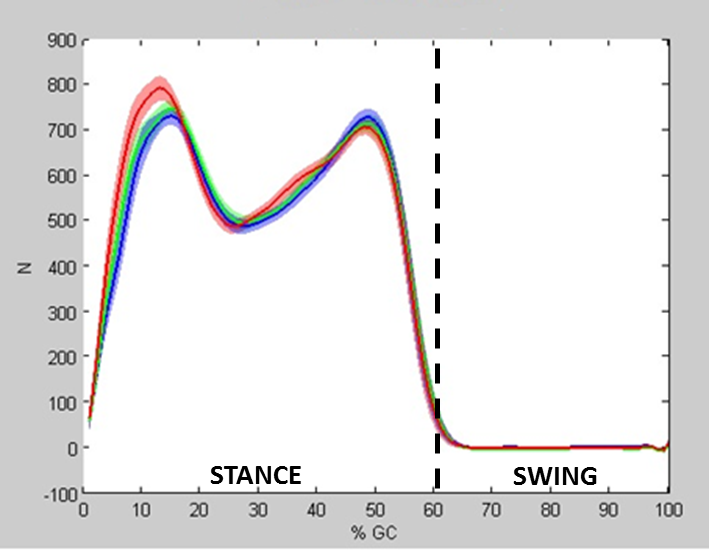
Digital support can make a knee-osteoarthritis walking plan more structured, but the useful intervention is coaching, progression and exercise—not the device alone.
A step counter becomes useful when it changes the plan
A watch can count movement, but it cannot decide whether today calls for progression, recovery or a different exercise. Recent trials are most encouraging when technology is paired with education, strength work and human coaching. The benefit comes from a system that helps people act on data.
A goal must match the condition, just as chondroitin evidence must match the joint studied. A rising step number is not automatically progress if the knee is swelling, gait is worsening or pain is coming from a new injury.
The 2025 pilot added walking to an active control
A pilot trial randomized 30 women with knee osteoarthritis. Both groups received education, a smartwatch and home exercise; the intervention group also received a digitally supported walking program. After eight weeks, the added program produced larger improvements in pain, WOMAC function and daily steps.
The design is helpful because the comparison group already received useful care. The small, all-female sample is a limit, and a pilot cannot settle long-term effectiveness. It does show that structured walking support may add more than simply handing someone a tracker.
Telehealth physical therapy tested a broader package
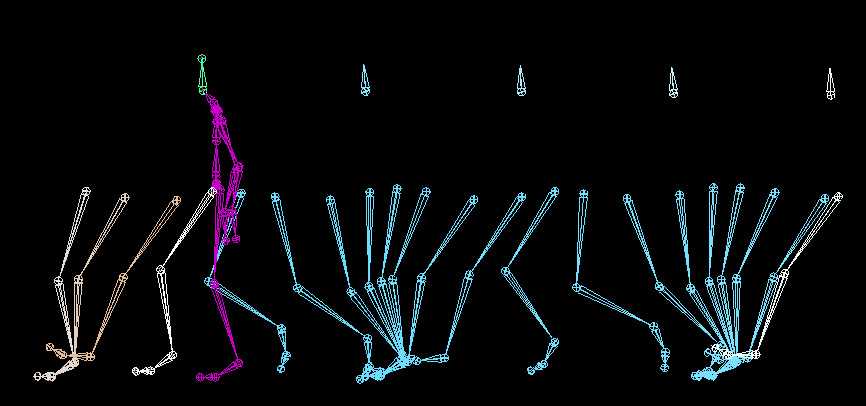
The Delaware PEAK trial used five video consultations with a physical therapist over 12 weeks. The program combined strengthening, step goals and education, while the control group received web resources. This is a clinician-guided activity plan, not evidence that video calls or wearables work in isolation.
The logic resembles the negative bromelain placebo trial: a plausible tool is not yet a treatment until a defined intervention improves meaningful outcomes. Digital delivery is the route; the therapeutic content still needs to be sound.
Start below the level that repeatedly causes a flare
Use a week of ordinary activity to estimate a baseline, then set a modest target with a clinician or therapist. Break walking into shorter bouts if one long session changes gait or causes prolonged pain. Add strength and balance work rather than forcing every goal through more steps.
A sudden hot swollen joint, new locking, repeated buckling, calf swelling or inability to bear weight is not a motivation problem. Pause the progression and seek assessment. Technology should make changes easier to notice, not pressure a person to ignore warning signs.
Measure more than the daily total
Track a small set of useful signals: steps, minutes walked, pain during the task, next-day response and one function such as stairs. A weekly average is usually more informative than chasing a perfect day. Sleep, weather and unusual errands can explain short-term swings.
The eggshell-membrane knee guide recommends keeping product-specific evidence visible, and the same applies to activity. Footwear, exercise, medication and recovery all influence the result. Do not credit or blame the app for every change.
Keep the technology only if it supports action
After eight to twelve weeks, ask whether the program increased activity without causing unacceptable symptoms and whether daily function improved. If the numbers rise but life does not feel easier, the goal may need to change. A therapist can adjust pace, exercise selection or walking form. The guide to reading a joint supplement trial explains why planned comparisons and outcomes shape the conclusion.
The most useful digital program is not the one with the most notifications. It is the one that turns a realistic plan into completed sessions, helps identify setbacks early, and gradually builds the movement a person values.
Privacy and accessibility still matter
Before joining a digital program, check whether video visits require a particular device, whether captions are available, and how health information is stored. A paper log or ordinary phone call may work better for someone who finds apps frustrating or lacks reliable internet.
Technology should reduce friction, not create a new barrier. Ask whether a family member can help with setup without viewing private health details, and whether the therapist offers an alternative when the camera or tracker fails. The movement plan should survive a technical problem.
Turn off alerts that encourage unsafe competition or constant checking. A calm weekly review with a therapist can be more useful than reacting to every hourly number.
Sources & further reading
- Effects of a Digitally Supported Physical Activity Intervention in Knee Osteoarthritis: A Pilot Randomized Controlled Trial ↗
- A Telehealth Physical Therapy Intervention to Increase Physical Activity in Adults With Knee OA ↗
- A Remote Behaviorally Designed Intervention to Promote Physical Activity in Patients With Knee Osteoarthritis ↗