Aquatic exercise for knee osteoarthritis: buoyancy helps, program details matter
Recent trials compare pool exercise, aquatic cycling and resistance training for knee osteoarthritis. Here is what the different programs can and cannot show.
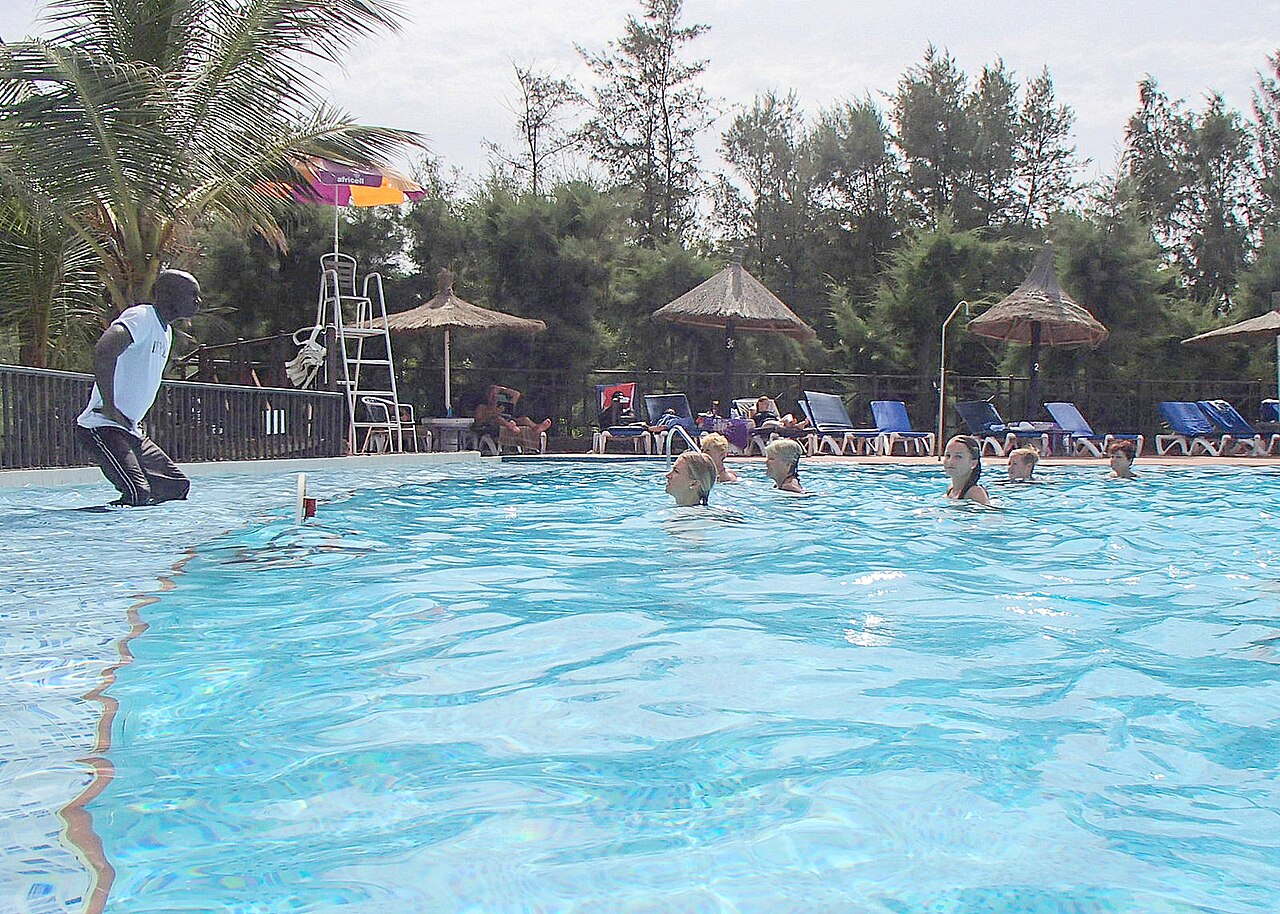
Water exercise can reduce pain and improve function for some people with knee osteoarthritis, but aquatic cycling, aerobics and resistance sessions are not interchangeable.
Water can open a door when land exercise feels hard
Buoyancy reduces the body weight carried through the knee, while water resistance still gives muscles work to do. That combination can make repeated movement more comfortable for someone who avoids land exercise because each step feels heavy. Clinical trials support the option, but not every pool routine is the same.
The distinction resembles chondroitin evidence for hands or knees: a shared label does not make two interventions equivalent. Aquatic cycling, treadmill walking and group aerobics use different motions, intensity and supervision.
A newer trial compared water with suspension training
A randomized trial of 53 women with knee osteoarthritis compared aquatic exercise, total resistance exercise and a medication-only control for eight weeks. Both active groups improved pain and quality of life. Resistance training produced broader gains on several strength and performance tests, while the aquatic group improved WOMAC scores.
The small sample limits certainty, and the comparison does not mean water exercise failed. It shows that a comfortable environment and a stronger training stimulus may affect different outcomes. The best program depends on whether pain relief, walking capacity, strength or confidence is the leading goal.
Aquatic cycling has its own evidence
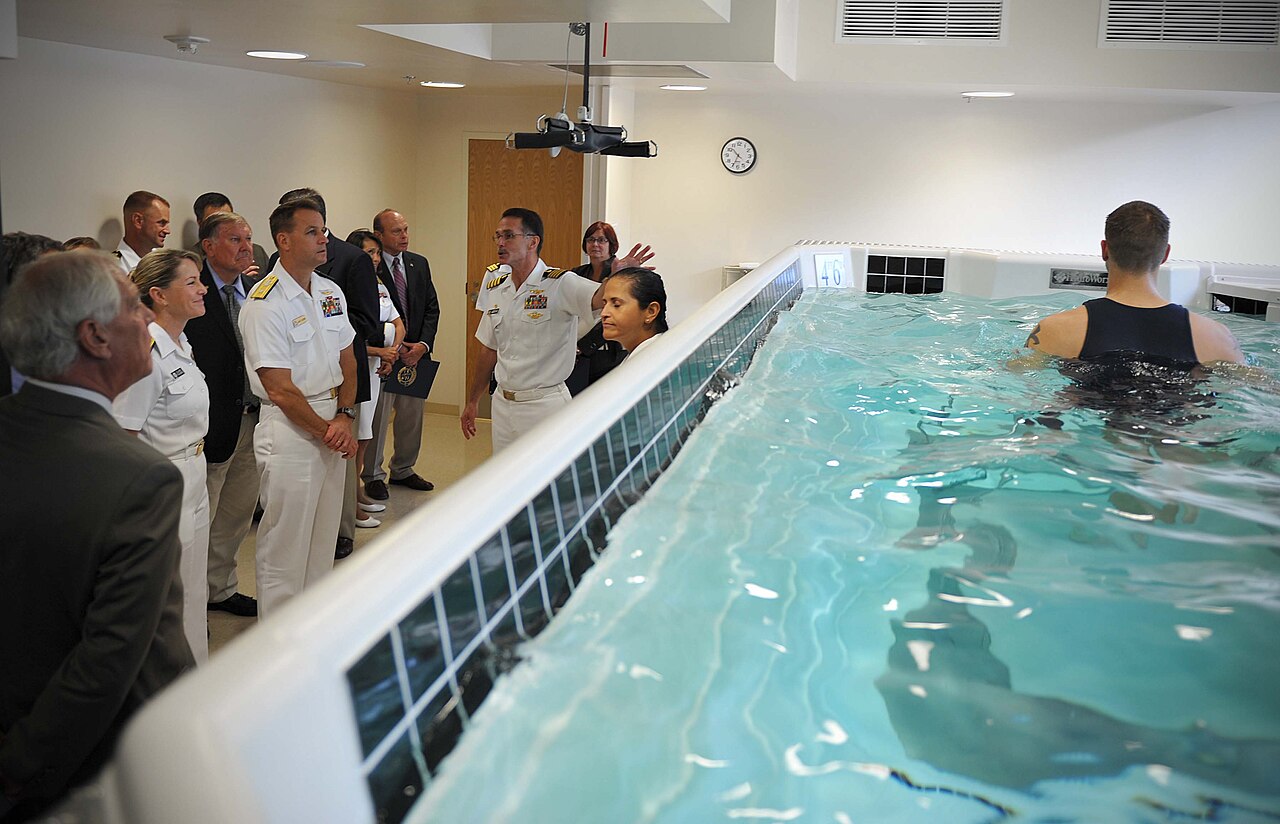
A randomized trial assigned adults with mild-to-moderate knee osteoarthritis to usual care or aquatic cycling twice weekly for 12 weeks. Self-reported knee pain and physical function favored aquatic cycling after treatment and at follow-up. Attendance averaged 80 percent, an important clue that the program was workable for many participants.
Cycling in water is not simply swimming and should not be treated as proof for every hydrotherapy class. The same formulation gap seen in avocado-soybean unsaponifiables appears here as a program gap: the specific intervention is part of the evidence.
Pool safety deserves ordinary planning
Choose a facility with safe entry, handrails and staff who understand arthritis. Water temperature, depth and pace affect comfort. People with open wounds, certain infections, unstable heart or lung disease, or recent surgery should ask the appropriate clinician before entering a group program.
Stop for chest pain, severe breathlessness, dizziness or a sudden joint change. Pool exercise can feel deceptively easy because sweat is less obvious. Hydration, gradual progression and recovery still matter even when the session does not feel like a conventional workout.
Use water to build capacity, not hide every symptom
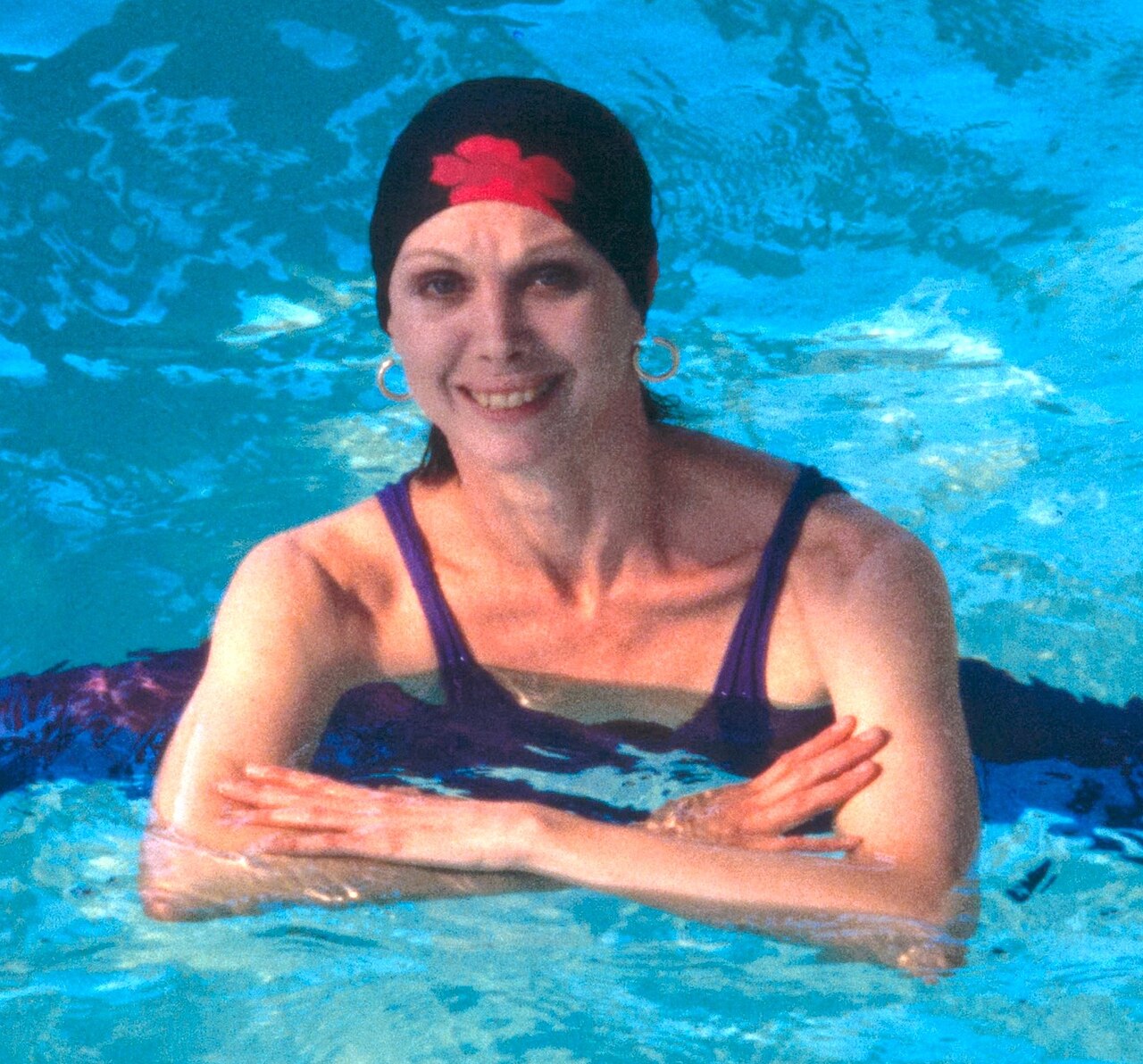
A pool can be a starting point for strength and confidence, then support a gradual transition to land tasks needed in daily life. Standing from a chair, climbing stairs and walking on uneven ground still require practice outside the water. A therapist can connect the environments.
The negative bromelain placebo trial makes another useful distinction: a plausible symptom intervention does not automatically establish structural repair. Aquatic exercise can be worthwhile because people move and function better, without claiming that water regenerates cartilage.
Match the class to the outcome you want
Ask what the class actually includes: cycling, walking, balance, resistance tools or range-of-motion work. Two or three sessions weekly may be easier to sustain than an ambitious daily plan. Record attendance, pain afterward and one land-based function that matters. The guide to reading a joint supplement trial explains why planned comparisons and outcomes shape the conclusion.
After eight to twelve weeks, decide whether the program is improving the chosen outcome. If not, change the dose or method with professional guidance. Water provides a useful environment; a clear, progressive program is what turns that environment into treatment.
A land-and-water plan can cover more of daily life
Water sessions can build tolerance while land exercises preserve the exact skills used at home and outdoors. A simple week might pair two pool sessions with brief chair rises, calf raises and balance practice on land, adjusted for the person’s symptoms and professional advice.
Progress one variable at a time: session length, speed, resistance or range. When several elements change together, it becomes difficult to identify what caused a flare. Slow progression may feel less exciting, but it makes the program easier to learn from and sustain.
When access to a pool ends, keep a small land routine ready. That bridge helps preserve the strength and confidence gained in water instead of making progress depend on one facility.