Knee braces with exercise: new trials find short-term help, not a cure
Two 2026 randomized trials clarify what knee braces may add to exercise for osteoarthritis, including fit, walking, pain, and durability limits.
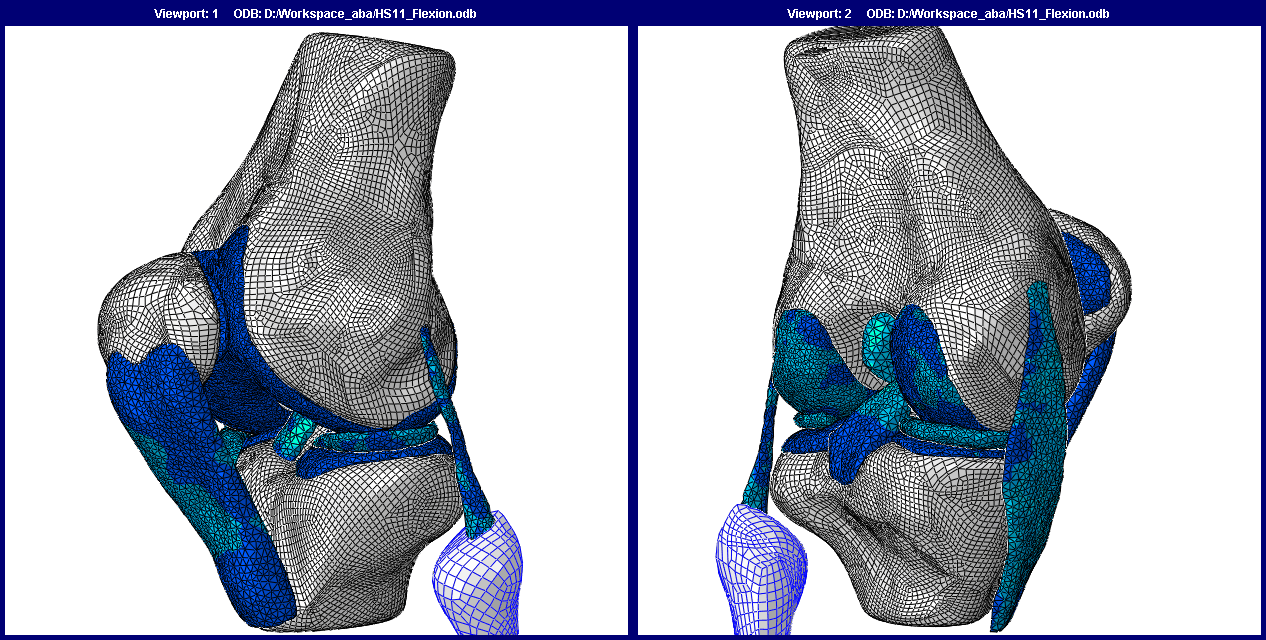
A well-fitted brace may add short-term benefit for selected people with knee osteoarthritis, but exercise remains central and the advantage may narrow over time.
A brace can make movement feel more possible
When each step hurts, even a modest reduction in knee load can make exercise feel less daunting. New randomized evidence gives braces a practical, middle-ground role: they may help selected people move more comfortably while strength and activity are rebuilt, but they are not a passive repair for osteoarthritis.
That distinction fits the broader lesson from reading a joint supplement trial: outcomes such as pain, walking and function must be separated from claims about rebuilding cartilage. The same rule applies to devices. A useful symptom change does not prove that the underlying joint has been restored.
The November 2026 trial compared three active choices
A randomized trial published in November 2026 assigned 136 adults with mild-to-moderate knee osteoarthritis to brace plus exercise, biomechanical footwear, or exercise alone. All three groups reported less pain. Brace plus exercise held an early statistical advantage at four months, but that difference was not clinically important and was no longer statistically clear at 12 months.
That result is more informative than a simple winner label. Exercise alone improved, and the gap between groups narrowed. It echoes the evidence behind several knee products at once: adding another tool may complicate a routine without guaranteeing a larger long-term gain.
A separate brace trial focused on ordinary clinical care
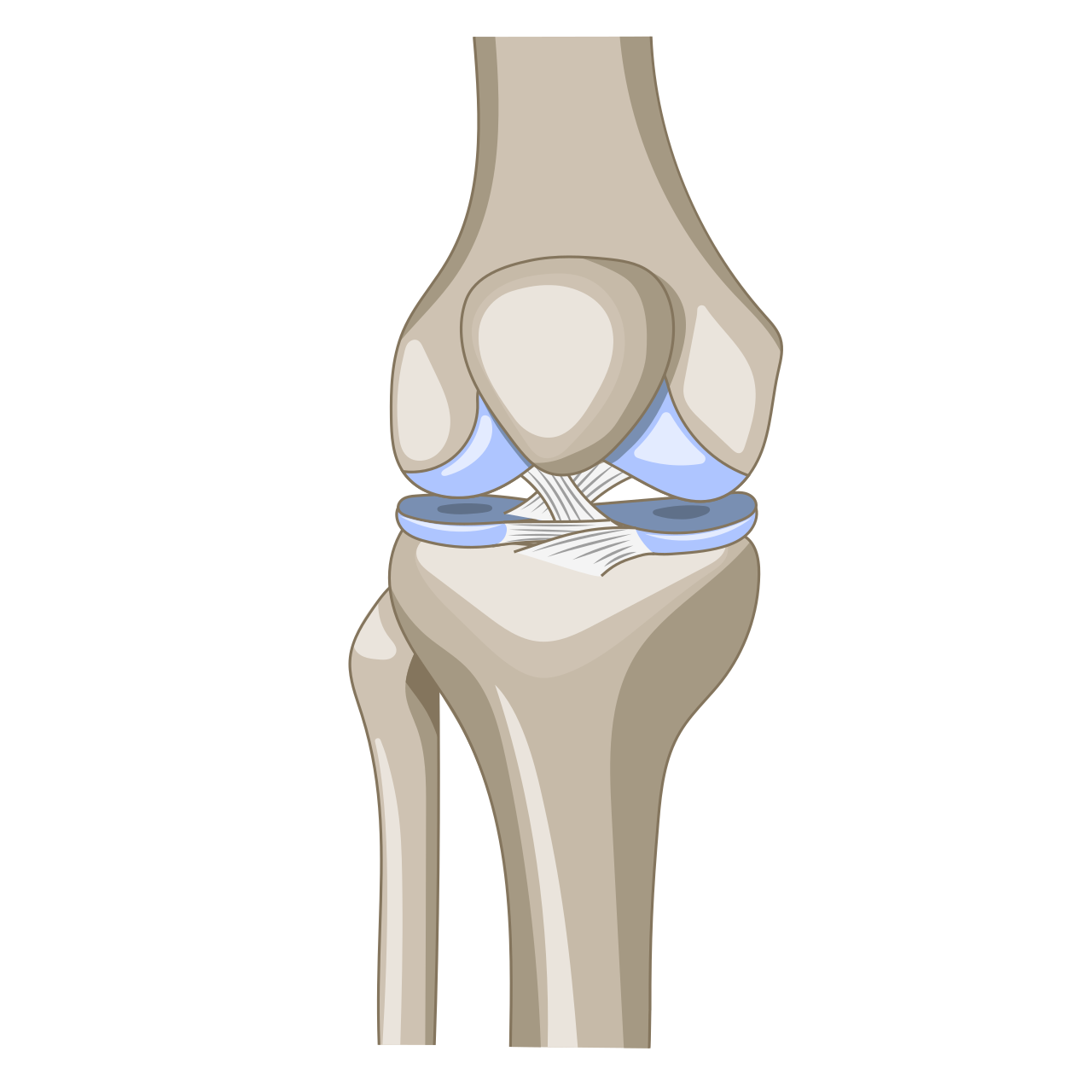
The PROP OA trial tested advice, information and exercise with or without a knee brace. Participants were fitted according to the knee compartment most affected, rather than receiving one universal device. That detail matters because a patellofemoral brace, an unloading brace and a neutral stabilizing brace do different mechanical jobs.
Another 2026 study found that two unloading braces increased pain-free walking distance compared with no brace in medial knee osteoarthritis. The result supports careful selection, not mail-order guesswork. The joint examined in the study matters just as it does in chondroitin research on hands or knees.
Fit and follow-up are part of the treatment
A brace that slides, pinches, irritates skin or changes gait in an uncomfortable way is unlikely to be worn enough to help. Ask a physical therapist, orthotist or clinician which compartment is involved, how tight the straps should be, and what warning signs mean the fit needs adjustment.
Start with short periods during a familiar activity and inspect the skin afterward. New numbness, color change, calf swelling, severe pressure or worsening instability deserves prompt review. A brace should make the movement plan easier to follow, not create a new problem elsewhere in the leg.
Exercise remains the engine of progress
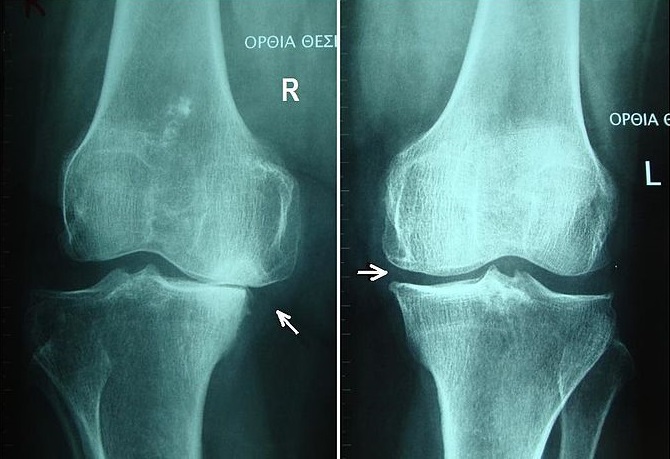
The brace does not strengthen the quadriceps, improve balance or build confidence by itself. Use any temporary comfort advantage to complete the exercises prescribed for strength, range, and daily function. The goal is a workable routine, not permanent dependence on increasingly rigid equipment.
Cartilage repair claims on joint supplements deserve strong structural evidence, and brace marketing should meet the same standard. The trials measured pain, function and walking. They did not show that wearing a brace regenerated cartilage or reversed the biology of osteoarthritis.
Turn the trial result into a simple test
Choose one repeatable task—perhaps a ten-minute walk or a usual set of stairs—and record pain, confidence and distance with the recommended brace. Keep exercise, medication and footwear steady enough to make the comparison meaningful. Review the result after several weeks rather than judging one unusually good day.
If function improves, the brace may have earned a role for specific activities. If it does not, reassess fit and diagnosis before buying another model. The 2026 evidence supports a fitted aid used with exercise, while reminding readers that short-term help and durable disease change are different outcomes.
What to bring to a fitting appointment
Bring recent imaging reports if available, a list of activities that trigger pain, and the shoes normally worn for walking. Describe whether pain is mainly inside, outside or around the kneecap. Those details help a professional choose a brace style instead of treating all knee osteoarthritis as mechanically identical.
Wear the brace during a supervised walk and practice putting it on correctly. Ask how to clean it, when to replace worn straps, and whether it is intended for all-day use or selected activities. The practical value depends on a fit and routine that can be repeated.
Sources & further reading
- The effects of knee brace, biomechanical footwear device, and exercise in knee osteoarthritis: a randomized clinical trial ↗
- Provision of knee bracing for knee osteoarthritis (PROP OA): randomized controlled trial ↗
- The effectiveness of the UniReliever offloading knee brace for treating medial knee osteoarthritis ↗