Tai chi for knee osteoarthritis: two newer trials show where it may help
A 2026 mobility trial and a large online tai chi trial suggest practical benefits for selected adults with knee osteoarthritis, with important limits.
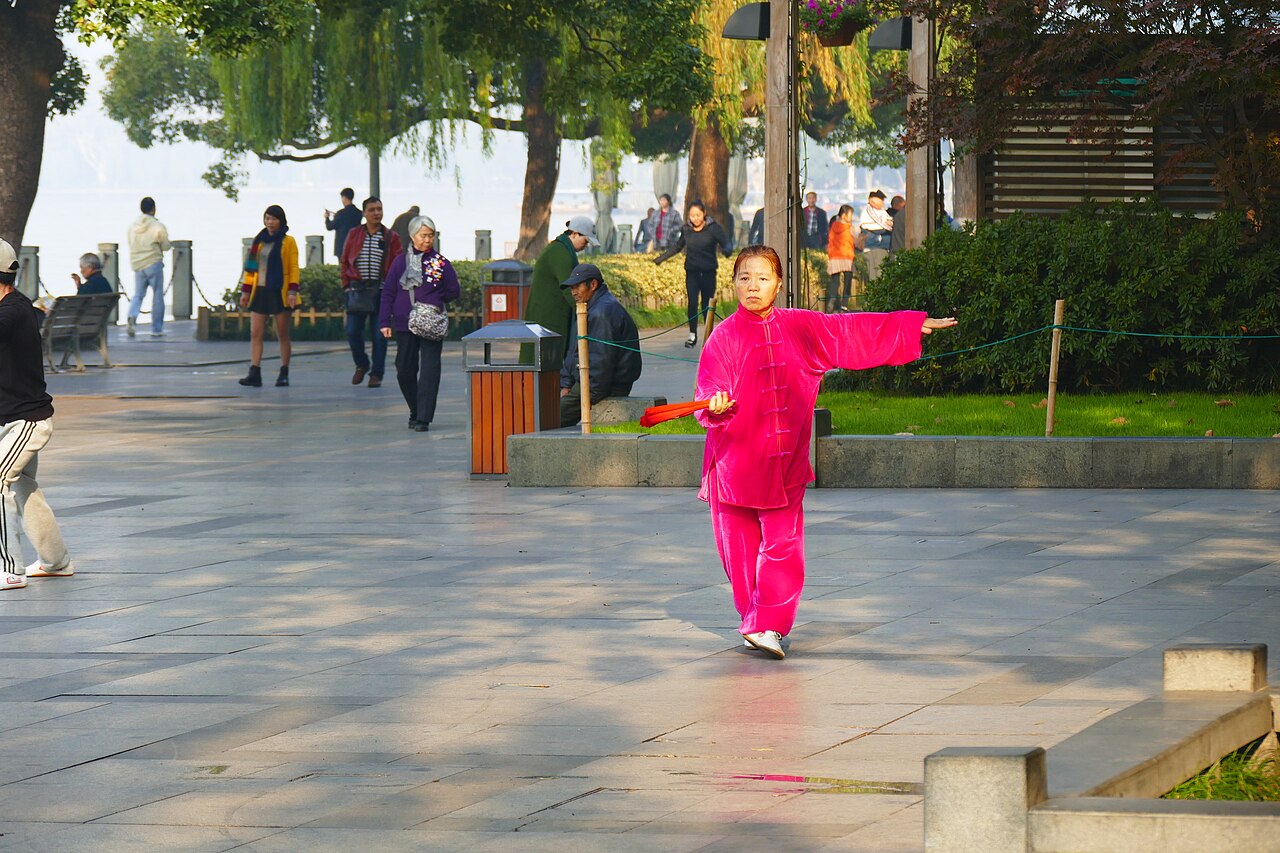
Structured tai chi can improve pain, function or mobility for some adults with knee osteoarthritis, but programs, comparison groups and participant needs matter.
Slow movement can still produce a useful challenge
Tai chi looks gentle, yet it asks the body to shift weight, control the knee, coordinate breathing and hold balance through repeated transitions. For someone with knee osteoarthritis, that combination can build confidence without requiring jumping or heavy equipment. Two newer trials help define what a real program can accomplish.
The practical appeal is choice. Tai chi may suit someone who dislikes conventional gym work, while strengthening may suit another person better. The cetylated fatty acids knee-pain evidence makes a related point: the intervention and outcome must match the actual problem.
The 2026 trial tested older adults with two conditions
A 2026 randomized trial enrolled 96 adults aged 65 to 85 who had knee osteoarthritis plus sarcopenia. Twelve weeks of simplified eight-form tai chi improved Timed Up and Go performance more than health education plus home exercise. The average advantage narrowly missed the study’s prespecified threshold for an important individual change.
More participants nevertheless reached the responder definition, and a smaller mobility advantage persisted at 26 weeks. The narrow population matters. Results in older adults with both low muscle status and osteoarthritis should not be assumed identical for every younger person with knee pain.
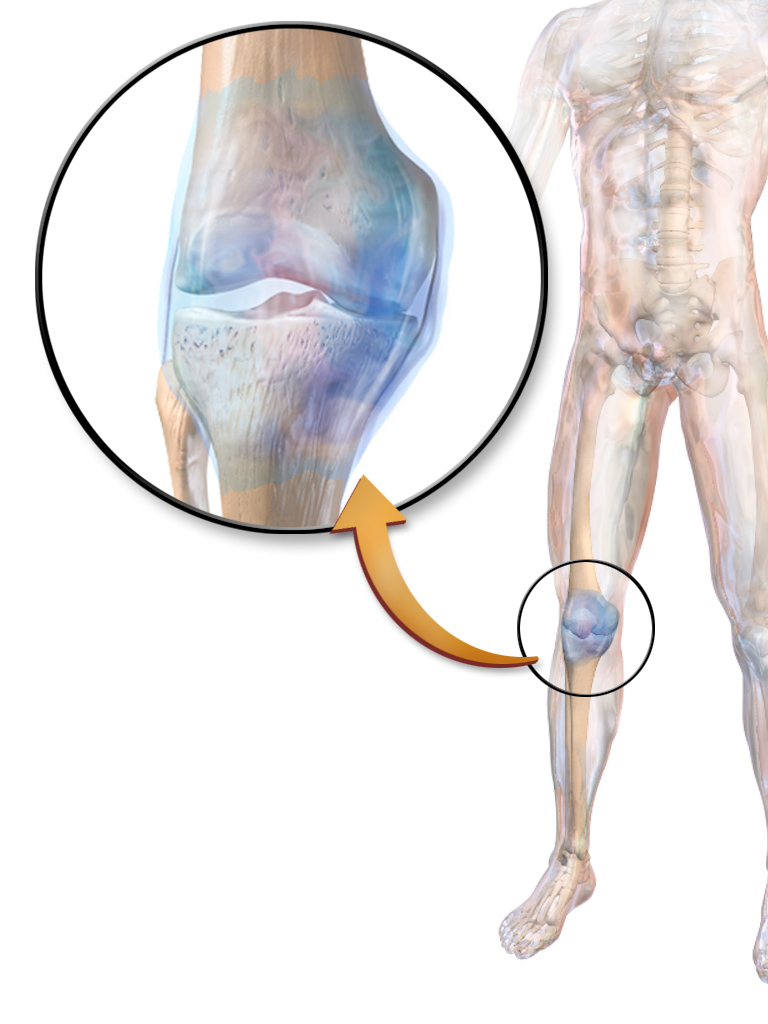
Online instruction also performed well
The RETREAT trial randomized 178 adults with knee osteoarthritis to information alone or a 12-week unsupervised online tai chi program with videos and an adherence app. Pain during walking and self-reported function improved more in the tai chi group, and there were no associated serious adverse events.
The digital package was more than a video link. It included a planned sequence, education and encouragement. The MSM knee-osteoarthritis trial guide offers the same reminder that a defined program or preparation is part of the intervention that produced the result.
The first sessions should feel controlled, not heroic
Begin near a stable surface and use a shallower knee bend than an instructor with healthy joints might demonstrate. Comfortable shoes, shorter practice blocks and a qualified teacher can make the early learning period safer. Pain that rises sharply, swelling that persists, or repeated buckling calls for professional assessment.
People with major balance problems, recent surgery, severe dizziness or an unexplained fall history may need supervised adaptation. Tai chi is not a test of toughness. Its value comes from repeatable movement that stays within a manageable range and becomes more fluent over time.
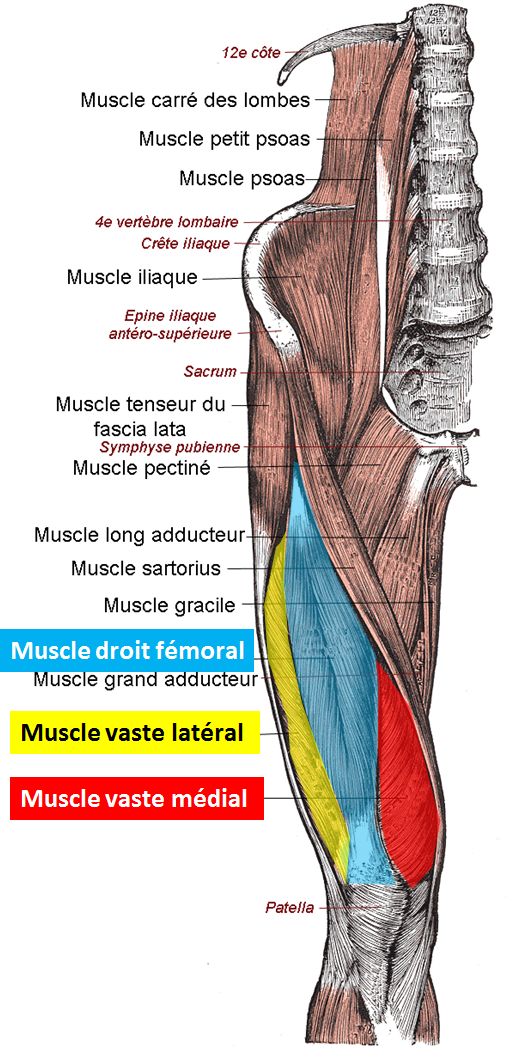
Tai chi does not have to beat every other exercise
The studies show that tai chi can be a credible route into movement. They do not establish that it is superior to every strengthening or aerobic program. Enjoyment, access and adherence often determine whether a theoretically good plan is completed often enough to matter.
The vitamin D knee osteoarthritis trials are a useful contrast: a plausible biological idea did not improve pain or cartilage in major studies. Tai chi has direct functional trials, but it still should not be marketed as cartilage regeneration or a replacement for needed medical care.
Build a home practice you can measure
Choose a short sequence, schedule three sessions a week, and record minutes completed rather than aiming for perfect form. Track one function that matters—getting up from a chair, walking outdoors, or turning without feeling unsteady. A teacher or physical therapist can refine positions that repeatedly aggravate the knee. The guide to reading a joint supplement trial explains why planned comparisons and outcomes shape the conclusion.
After eight to twelve weeks, ask whether pain, confidence or function improved enough to continue. The evidence supports a defined tai chi program, not occasional movement chosen at random. That measured approach preserves the benefit-led promise while keeping expectations grounded.
Let balance improve at its own pace
Tai chi may expose unsteadiness during turns or single-leg weight shifts. Use a wall, rail or sturdy chair until the movement feels predictable, and keep the stance narrower or higher when needed. Progress is better measured by control than by copying the deepest posture in a demonstration.
A fall-prevention review may be appropriate when there have been recent falls, fainting, new numbness or medication-related dizziness. Tai chi can support balance practice, but it does not replace assessment of a condition that makes standing unsafe.