Steroid knee injections in 2026: pain relief and cartilage need separate answers
New and older randomized trials show why injection location, drug formulation, symptom relief and cartilage findings must be evaluated separately.
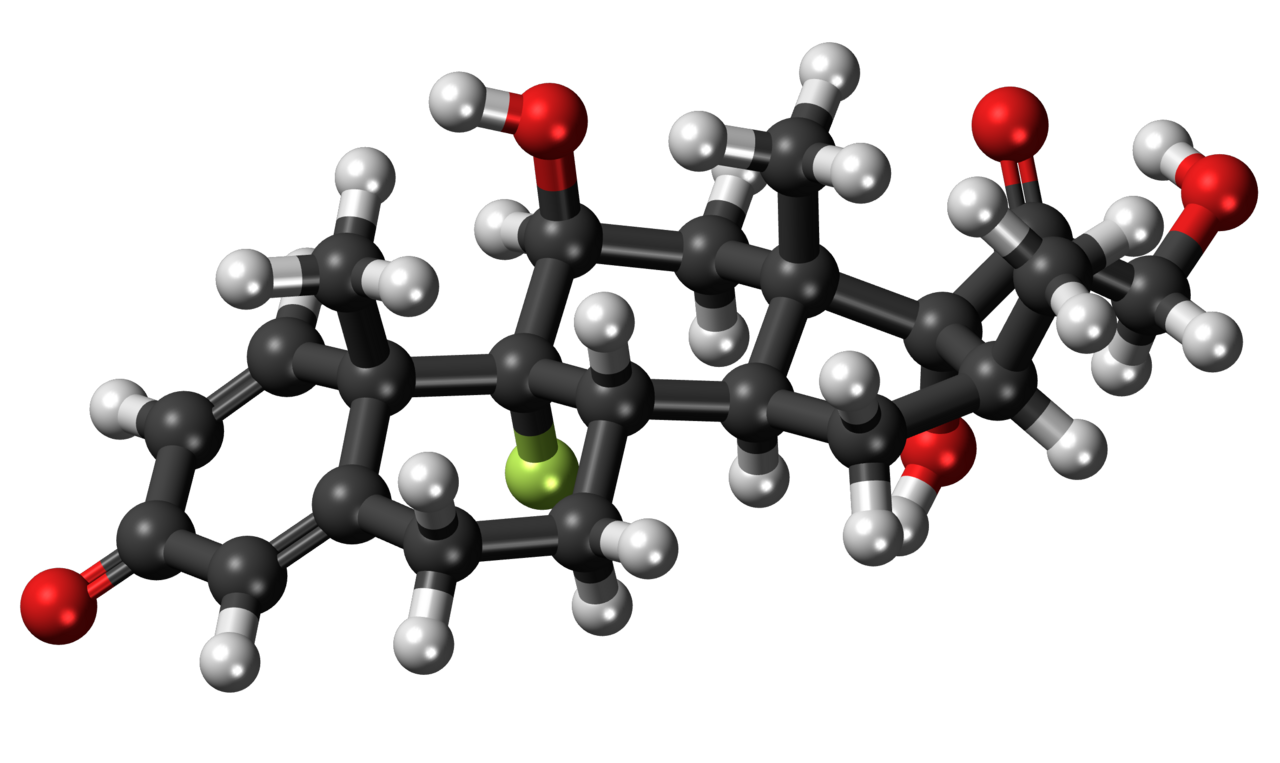
Steroid injections may provide short-term relief in selected cases, but repeated use, formulation and injection location matter, and symptom benefit does not settle structural safety.
Fast relief is only half of the decision
A painful knee can make a quick anti-inflammatory option attractive. Corticosteroid injections may reduce symptoms for some people, yet the useful question is not simply whether pain changes. Duration, repeat dosing, cartilage findings and injection location all belong in the same conversation.
The cetylated fatty acids knee-pain evidence carries the same structural-outcome lesson: a plausible symptom mechanism does not guarantee meaningful clinical protection. Direct trials must do the work.
The classic repeated-injection trial raised a warning
A two-year randomized trial published in 2017 compared triamcinolone injections every three months with saline in people with symptomatic knee osteoarthritis and synovitis. The steroid group experienced greater cartilage-volume loss and did not gain a significant pain advantage over saline.
That result does not describe every single injection, but it matters when repeated shots are proposed on a calendar. A short improvement after one visit cannot answer what repeated exposure does over years. The schedule itself is part of the treatment being judged.
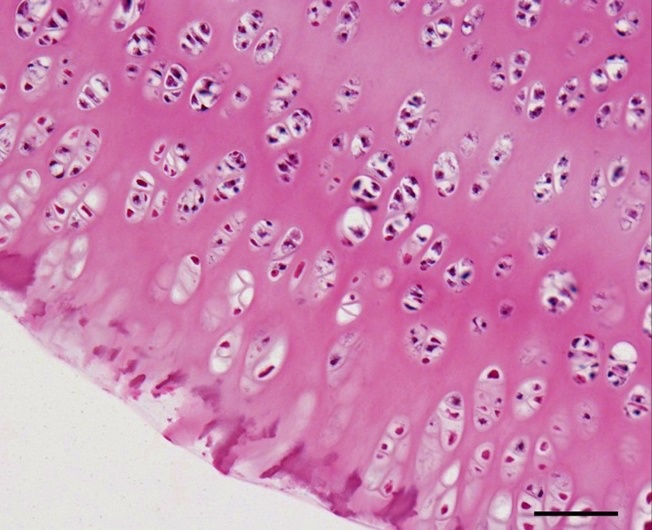
Newer research tests different locations and formulations
A randomized clinical trial published in 2026 injected glucocorticoid into the infrapatellar fat pad rather than the joint space in adults with inflammatory knee osteoarthritis. It did not significantly reduce the primary pain outcome compared with placebo, though researchers also examined structural and inflammatory measures.
A 2024 placebo-controlled MRI study and newer extended-release formulations explore whether delivery can change the balance of relief and exposure. These are distinct interventions. The article on oral hyaluronic acid makes the same route-of-delivery point: similar words do not create the same treatment.
One injection may still fit a specific situation
A clinician may recommend a shot to calm a flare, support participation in rehabilitation or bridge a difficult period. The expected duration should be discussed honestly. Ask which steroid is used, where it will be placed, whether ultrasound guidance is planned, and how the result will affect the next step.
Diabetes, infection risk, anticoagulants, recent surgery and the number of previous injections can affect planning. Blood glucose can rise temporarily after a steroid injection. A hot swollen joint, fever or rapidly worsening pain after the procedure needs prompt medical attention.

Do not let a pain score answer a cartilage question
Pain is shaped by inflammation, sleep, mood, activity and several tissues around the joint. Cartilage loss is measured differently and may not be felt immediately. A good study can examine both, but one cannot be substituted for the other.
Collagen pain studies cannot by themselves prove cartilage rebuilding, and injection studies follow the same rule. Words such as regenerative or healing should not replace direct, durable structural evidence tied to better patient outcomes.
Use relief to advance the larger plan
If an injection reduces pain, use the window to complete the strengthening, movement and daily-function plan agreed with the care team. Record how long the benefit lasts and whether walking, sleep or medication use changes. That information is more useful than simply remembering that the shot helped.
Before repeating it, revisit the diagnosis, prior response, alternatives and structural concerns. The evidence supports individualized use rather than automatic schedules. Pain relief can be valuable, but it should remain one part of a plan designed for durable movement. The guide to reading a joint supplement trial explains why planned comparisons and outcomes shape the conclusion.
Questions to ask before the procedure
Ask how long relief usually lasts, how often the clinician would consider repeating the injection, and what evidence supports that schedule. Confirm whether local anesthetic is mixed in and whether that changes activity instructions. A written plan makes it easier to recognize when the strategy has stopped helping.
Also ask what should happen if pain briefly flares after the shot and which symptoms require urgent contact. Knowing the expected recovery window prevents both unnecessary alarm and dangerous delay. The procedure is more useful when the next rehabilitation step is already arranged.
Avoid booking repeated injections before the response to the first one is understood. A planned reassessment protects against continuing a schedule that offers little durable benefit.