Gut Health
Probiotics and rheumatoid arthritis: the gut-joint hypothesis is not yet a treatment
Small probiotic trials in rheumatoid arthritis report signals, but strain specificity, bias and low-certainty evidence prevent treatment claims.
THE EVIDENCE FOR
MOVING WELL.
Small probiotic trials in rheumatoid arthritis report signals, but strain specificity, bias and low-certainty evidence prevent treatment claims.
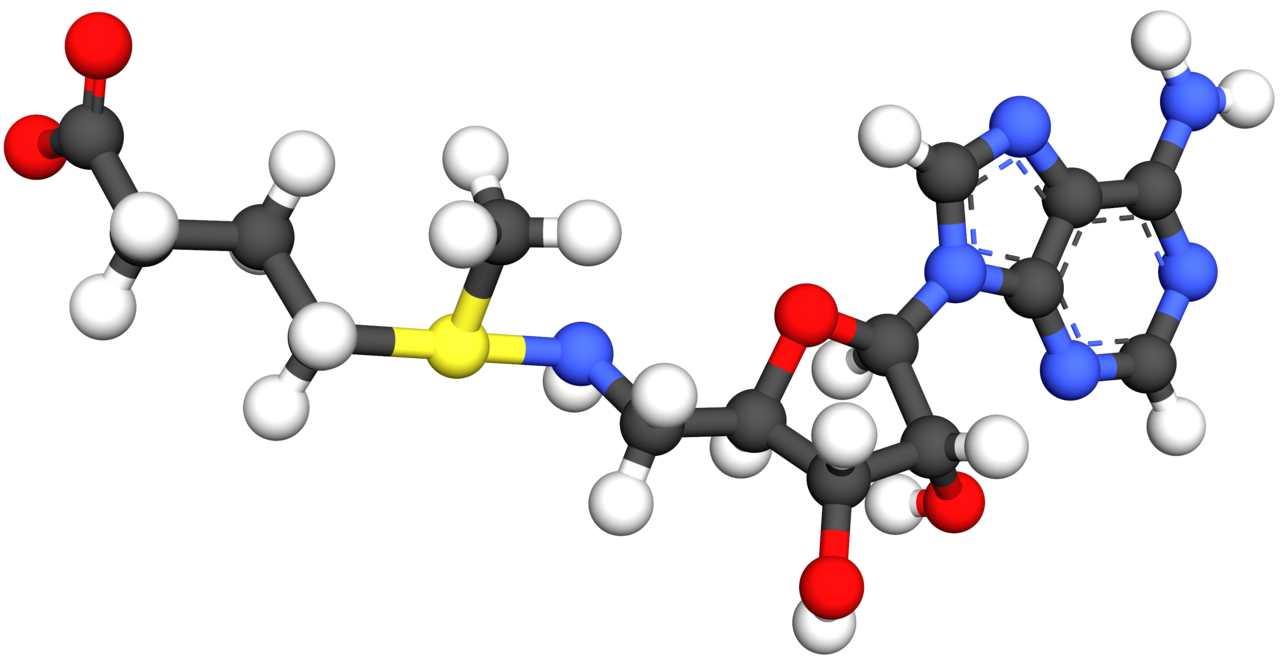
SAMe studies report inconsistent osteoarthritis results. Trial design, comparator choice, onset and interaction risks all shape the answer.
Vitamin D is essential for bone health, but randomized trials did not show less knee pain or cartilage loss in osteoarthritis.
What small-study findings can contribute to a joint health decision, and why larger trials still matter.
Why established nutrient roles in bones do not automatically show that an extra supplement relieves osteoarthritis symptoms.
The evidence required for a structural repair promise is different from the evidence for short-term symptom relief.
Evidence and guideline interpretations can differ by joint, preparation, and study quality.
Separate research on knee symptoms from the stronger claim that a collagen supplement restores joint structure.
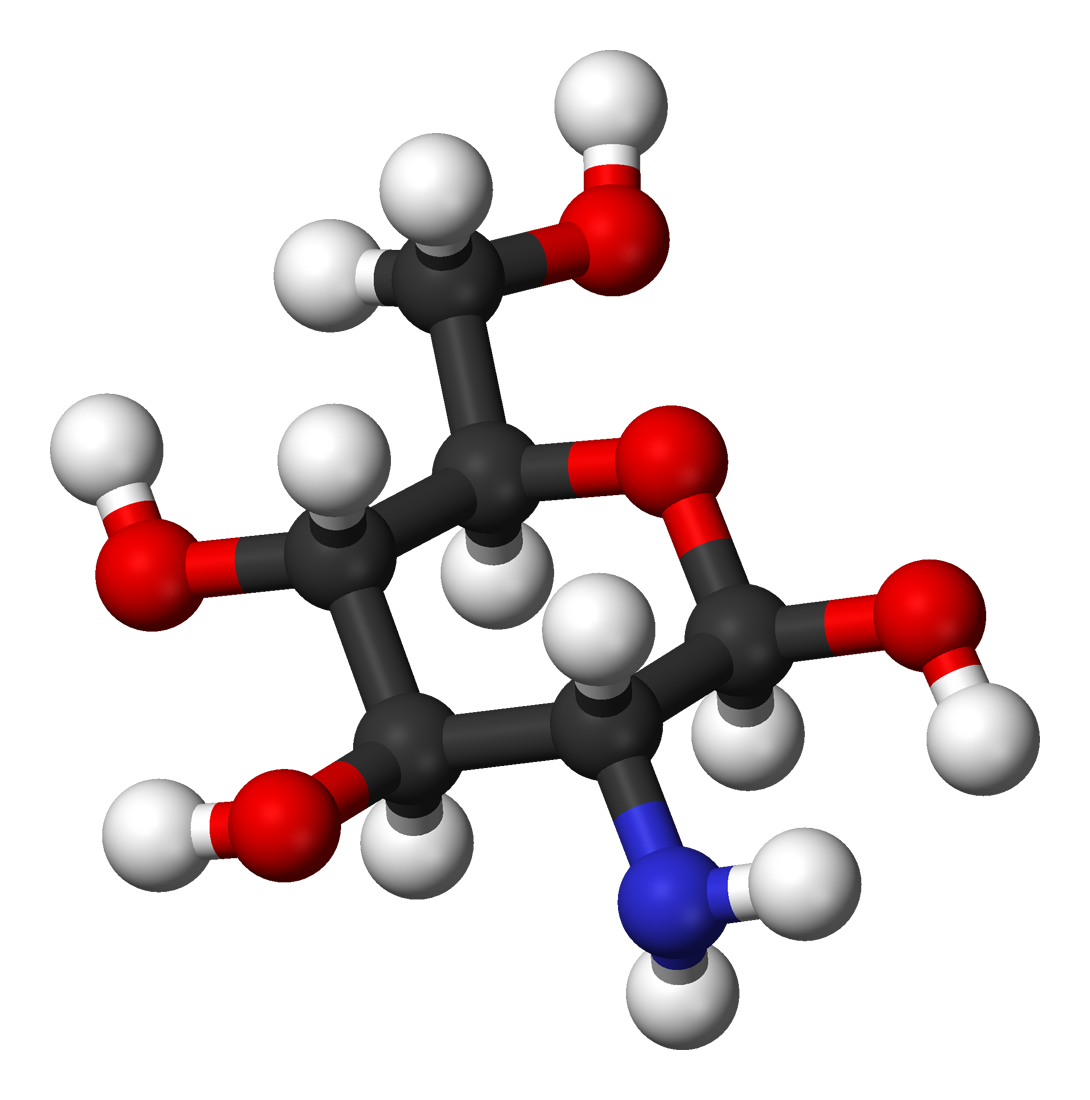
A clear look at glucosamine and chondroitin research, osteoarthritis outcomes, safety considerations, and the limits of joint supplement claims.
How control groups, effect size, and everyday function change the meaning of a favorable pain result.
A joint blend, a separate herbal extract, and a multivitamin can overlap more than their names suggest.
Higher absorption is a product feature to assess, not an automatic guarantee of greater benefit or lower risk.